
Tax Credits and Rebates for Energy-Efficient Homeowners
Energy-efficient home improvements are beneficial not only for the environment but also for homeowners’ finances. By investing in upgrades like better insulation, Energy Star appliances, or solar panels, homeowners can significantly reduce their energy bills. Taxes can also be reduced through various federal and state programs specifically designed to encourage these improvements. These incentives can range from tax credits to rebates, providing significant savings. Homeowners should research available options in their state, as many programs vary tremendously in what they offer and how to qualify. The key is to ensure that the investments made in energy efficiency qualify for these incentives. Consulting with a tax professional can help homeowners understand which improvements are eligible for tax benefits. Additionally, organizations like the Department of Energy provide excellent resources showcasing eligibility criteria and application processes. Keeping track of receipts and documents is essential for claiming these benefits, so maintaining a complete record can streamline the process. Energy-efficient upgrades not only save money but also contribute to a more sustainable future, making these improvements a win-win for homeowners and the planet.
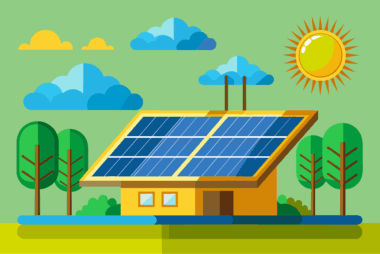
One of the most popular tax credits available for energy-efficient homeowners is the Residential Energy Efficient Property Credit. This credit is offered to individuals who invest in renewable energy systems, such as solar electric or solar water heating systems. The main benefit is that eligible homeowners can claim a percentage of the cost of these systems on their federal tax returns. As of recent legislation, homeowners can benefit from a substantial percentage of their costs being claimed, making solar energy even more attractive and affordable. To qualify for this credit, the system must meet specific requirements outlined by the IRS. It is crucial to ensure that installation is performed by a qualified professional to maximize tax benefits and ensure system efficiency. Other improvements, such as geothermal heat pumps or small wind turbines, also qualify for this credit, encouraging diverse energy-saving options. Detailed records, including invoices and certifications, must be kept for claiming the credit. Engaging with local tax advisors can also illuminate benefits and aid in correctly reporting the upgrades during tax filings.
Energy-Efficient Home Improvement Rebates
Rebates offer immediate financial relief for homeowners making energy-efficient upgrades. Many local and state governments and utility companies provide these incentives to encourage sustainable practices. Rebates can significantly reduce the overall cost of energy-efficient projects, such as upgraded HVAC systems, improved insulation, and high-efficiency windows. Homeowners can often receive a portion of their investment back, making these upgrades more feasible. The exact amount varies by location and the specific type of home improvement, so detailed research is necessary. In addition, energy audits often precede these rebates to measure current energy consumption and identify potential savings. Utility companies may even offer free or reduced-cost audits to homeowners. By providing concrete recommendations, they make it easier for homeowners to learn about rebate opportunities for specific improvements. Some utilities offer a rewards program for consistently efficient practices. Overall, these rebates create an excellent opportunity to enhance home value while contributing to savings on monthly energy bills, thereby promoting a more sustainable future.
Homeowners should also familiarize themselves with the Energy Efficiency Investment Credit (EEIC). This offers a significant tax credit for commercial properties and may have implications for homeowner improvements in certain scenarios. While typically designated for businesses, homeowners undertaking substantial energy-efficient renovations in multi-family properties can tap into these benefits. Similarly, Property Assessed Clean Energy (PACE) financing allows homeowners to finance upfront costs of energy-efficient upgrades and repay the costs through property tax assessments. This innovative program helps homeowners overcome initial financial barriers associated with energy-efficient renovations. Each option varies by location, so homeowners need to research programs available in their region. Complementary to this, the federal government periodically updates its energy efficiency tax policies, influencing both direct benefits and other incentive programs. Staying informed of changes in legislation gives homeowners a tactical advantage in planning and executing energy-efficient upgrades. It is wise to follow updates from government websites regarding any changes in the Accessibility of these programs, ensuring compliance and maximized benefits.
Documentation and Eligibility
For homeowners interested in claiming tax credits or rebates, understanding documentation requirements is vital. Accurate records are not only essential for receiving incentives but also for ensuring compliance with tax regulations. Homeowners should maintain copies of all receipts related to improvement projects, including installation costs and any necessary permits. Documentation should clearly indicate products and services received, their total costs, and the dates of installation to ensure eligibility. Tax forms related to energy credits may also need to be submitted with the tax return. It’s wise to consult with a professional tax advisor regarding the specifics of documenting energy-efficient improvements, as they can navigate potential complexities. Besides, keeping track of deadlines for filing for rebates and credits is crucial, as applications often have time frames. Many rebates require submitting claims within specific periods post-purchase. Missing these deadlines may lead to losing valuable financial benefits from investments made. Having a well-organized system for documentation ensures that homeowners are fully prepared when tax season arrives, maximizing their energy efficiency savings.
Additionally, homeowners can explore local non-profit organizations focused on energy efficiency. These entities can often provide access to grants, rebates, and other financing options for energy-efficient improvements. Engaging with these programs can supplement federal and state incentives, providing a broader financial safety net for homeowners looking to enhance their living spaces. Research indicates such collaborations can lead to substantial energy savings. Local governments have also initiated programs for low-income families to upgrade their home energy systems. These programs focus on providing assistance with installation costs and expert guidance. Homeowners should also utilize online resources available at energy efficiency forums or websites. These resources often highlight new programs, share helpful tips, and connect homeowners with experienced contractors specializing in energy-efficient improvements. Some websites provide calculators to estimate potential savings and long-term benefits associated with energy upgrades. Overall, exploring all avenues ensures homeowners maximize their incentives and savings while contributing to a more sustainable community.
Conclusion: Embracing Energy Efficiency
In summary, investing in energy-efficient home improvements presents numerous advantages for homeowners. Not only do these upgrades lead to significant financial savings through reduced energy bills, but taxpayers also benefit from an array of subsidies, tax credits, and rebates designed to incentivize energy efficiency. By exploring these opportunities, homeowners can take meaningful steps towards sustainability. As energy demand and environmental concerns escalate, embracing energy-efficient technologies is no longer just a trend but a necessity. Through informed decisions backed by available financial incentives, families can effectively enhance their quality of life while reducing their overall carbon footprint. Engaging with local utility providers and government resources can reveal untapped opportunities, ensuring homeowners fully leverage available benefits. With diligent planning, adequate documentation, and the commitment to sustainable practices, homeowners can create a more energy-efficient future for themselves and generations to come. The key is to remain proactive and informed about emerging technologies, programs, and changes in policy offerings that can further encourage investments in energy efficiency.
Remember, staying abreast of these offerings can transform your home, behavior, and approach to energy consumption, paving the way to a brighter, greener tomorrow.