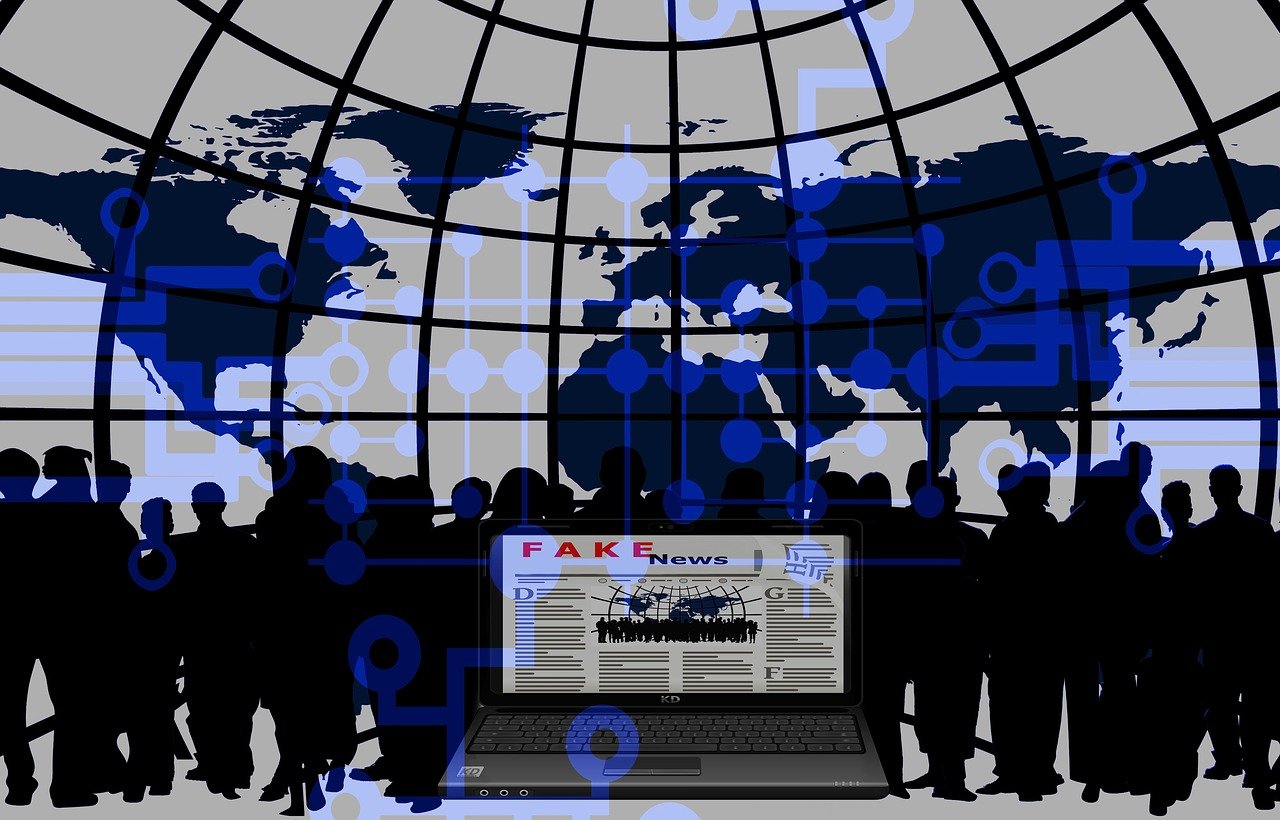

The Impact of Fake Reviews on Business Reputation and Ethics
Today, the effects of fake reviews on business reputation are increasingly significant. Many consumers rely heavily on online reviews when making purchasing decisions. Positive and negative feedback greatly influences their choices. A surge in fake reviews complicates this process, raising ethical questions. Unscrupulous businesses often generate fake ratings to mislead consumers. In contrast, competitors may post negative reviews to impair other’s reputations. Both actions are deceptive and undermine the trust that online platforms have built with users. Ethical considerations play a vital role in managing online reputation effectively. Companies should actively seek genuine customer feedback and ensure authenticity in their reviews. Transparency in reviews fosters trust and builds long-term relationships with clients. It’s essential to investigate suspicious reviews to distinguish between authentic and fraudulent ones. This not only protects reputation but also enhances customer satisfaction. Businesses that engage in deception risk facing harsh backlash. Consumers now actively seek to expose fake reviews. In light of this, companies should adopt ethical practices in their online reputation management strategies to maintain credibility and an honest presence in the marketplace. Responsible ORM is more important than ever for sustaining business longevity and consumer trust.
In addition to affecting consumer decisions, fake reviews can cause significant harm to companies’ reputations. When prospective customers encounter fake negative reviews, it creates a negative perception of the brand. This can lead to reduced sales and a damaging decline in customer loyalty. On the other hand, fake positive reviews can create unrealistic expectations. If a product or service fails to meet the inflated expectations set by misleading reviews, customers are likely to feel disappointed. This results in damaging the brand’s reputation further, as disappointed customers tend to share their experiences through other channels. The rise of social media amplifies these effects. Taking a proactive approach towards authentic customer feedback can help manage this dilemma. Companies should encourage happy customers to share their experiences genuinely. Intentionally building a pool of authentic reviews becomes essential to counteract the potential for fake reviews. Engaging customers through various platforms, like social media and email, allows businesses to cultivate a supportive community around their brand. To foster an optimistic online presence, genuine testimonials can be utilized. This approach modifies the impact of potential fake reviews by creating a solid reputation grounded in authenticity. Thus, transparency and engagement are pivotal in this digital age.
Legal Implications of Fake Reviews
As businesses navigate through the world of ORM, understanding the legal implications of fake reviews is essential. In various jurisdictions, sharing or posting fake reviews can lead to severe legal consequences. Companies and individuals writing or commissioning fake reviews can face allegations of fraud and be held accountable under consumer protection laws. Regulators are increasingly recognizing the importance of authentic reviews in maintaining market integrity. Instances of litigation have risen, highlighting the need for ethical oversight in this realm. Companies must stay informed about the evolving regulations surrounding online reviews to avoid legal pitfalls. Failure to ensure transparency may lead to costly lawsuits, damaging not only financial standing but also reputation. Moreover, consumers increasingly seek accountability from businesses regarding deceptive practices. The proliferation of fake reviews forces companies to examine their ORM strategies from a legal perspective. A proactive approach includes conducting regular audits of online reviews to identify potential fakes. Additionally, businesses may consider consulting legal experts in ORM to ensure full compliance with laws. Building an authentic online reputation can shield businesses from excess scrutiny and foster a positive image. Understanding legal boundaries allows businesses to navigate ORM more effectively.
The moral responsibility of businesses regarding fake reviews should not be overlooked. Companies have an ethical obligation to uphold truthfulness in their public representation. Intentionally generating misleading reviews damages the trust between businesses and consumers. Such unethical practices not only deceive potential customers but also skew market competition. When companies recognize their moral responsibility, it paves the way for a culture of honesty within their operations. Educated consumers are increasingly aware of fake reviews and often feel empowered to voice their concerns. By committing to authentic reviews, businesses can create a more favorable landscape for themselves. Many customers are willing to overlook minor mistakes if they feel that a business genuinely cares for them. Furthermore, cultivating a culture centered around customer service can help mitigate the fallout from negative experiences. Companies should focus on emotion-driven interactions rather than resort to unethical practices for short-term gain. By modeling positive behavior, businesses can build trust and enhance their reputation over time. Ultimately, creating a culture of honesty in ORM practices can lead to sustained success and long-lasting relationships with consumers.
Balancing ORM Strategies
Businesses today must balance their ORM strategies with ethical considerations to thrive in the digital landscape. Striking this balance requires careful planning and constant reflection on a company’s values. A successful ORM strategy includes actively engaging with customers, whether the feedback is positive or negative. This engagement reinforces the importance of ethics in business communications. Understanding and addressing customer feedback genuinely fosters loyalty and enhances a company’s reputation. When challenges arise—such as facing negative reviews—businesses must respond thoughtfully. Effective and ethical responses can turn complaints into opportunities for improvement. Emphasizing a commitment to addressing customer concerns reflects positively on a brand, inviting trust and respect. Additionally, companies can create clear guidelines for responding to online feedback. Establishing a dedicated team to handle ORM equips businesses with tools to navigate complex situations. Training employees on the importance of ethical engagement further strengthens the company’s values. A comprehensive ORM strategy can leverage positive interactions, showcasing the business’s commitment to quality and customer satisfaction. Over time, this balance nurtures a positive online presence and forms the foundation for enduring consumer relationships.
Utilizing technology can significantly aid businesses in managing their online reputation effectively. Various tools are available to monitor reviews and analyze sentiments. These tools allow companies to respond quickly to negative feedback and recognize opportunities for improvement. Implementing AI-driven solutions enables accurate assessment of customer sentiment in real-time. This contributes to an improved understanding of how consumers perceive the brand. Automation can also streamline ORM efforts, allowing businesses to allocate resources efficiently. Staying aware of negative trends is essential for immediate corrective actions. Such proactive measures are crucial in protecting the brand’s reputation. As technology evolves, businesses must remain adaptable in their ORM strategies, continually seeking ways to enhance practices through innovation. Data analytics can provide insights into consumer behavior, helping companies refine their approaches to customer engagement. As loyal customers share their experiences, these insights can also assist in fostering positive review generation. Also, being transparent about how reviews affect business helps build trust with customers. Companies that embrace technology not only protect their reputations but also position themselves as leaders within their industries. In this regard, investing in modern ORM tools is not just a choice; it’s a necessity in today’s competitive field.
The Future of Online Reputation Management
As we consider the future of online reputation management, the role of authenticity will only continue to grow. Consumers are increasingly demanding transparency in their interactions with brands. Furthermore, the importance of ethical considerations cannot be understated amidst this changing landscape. Businesses that prioritize authentic engagement will stand out in a crowded marketplace. By engaging positively with their audiences, brands can effectively combat the effects of fake reviews. Future technologies will further support these endeavors, enabling companies to cultivate strong, meaningful customer relationships. Innovations in AI and machine learning promise to improve the monitoring of online sentiments, allowing for proactive management of brand reputation. Companies that embrace these technologies will likely gain a competitive edge. In addition to tech advancements, adopting clear ethical guidelines will foster trust and credibility among consumers. Highlighting genuine feedback will encourage users to contribute to the authenticity of reviews shared online. Continuing to educate both businesses and consumers about these practices can create a culture of integrity in online engagements. Ultimately, those who value authenticity and ethics in ORM will prosper, as their approach aligns with evolving consumer expectations and the future direction of the digital landscape.
In conclusion, the impact of fake reviews extends far beyond mere ratings. They shape consumer perceptions, influence purchasing choices, and determine business reputations. Unethical practices undermine trust, creating a vicious cycle of deception in the marketplace. Businesses must embrace ethical online reputation management approaches to combat these challenges effectively. Proactively seeking authentic customer feedback, fostering emotional connections, and utilizing technology intelligently contributes positively to a company’s image. Through a careful balance of engagement and transparency, firms can navigate the potential pitfalls of fake reviews while enhancing their reputation. As consumers become more savvy, they will continue to value honesty and integrity in the brands they choose. Therefore, it is crucial for businesses to recognize their role in shaping an ethical digital landscape. Building a transparent and authentic brand presence will take time, but the rewards are undeniably worthwhile. Organizations that prioritize ethics will stand out as trustworthy leaders in the industry. The hope is that by promoting ethical considerations in ORM, businesses can counteract the influence of fake reviews and steer the conversation towards a more positive, transparent, and ethical landscape. In the end, authenticity will prevail as the key differentiator in online reputation management.