
How to Document Your Charitable Contributions for Tax Purposes
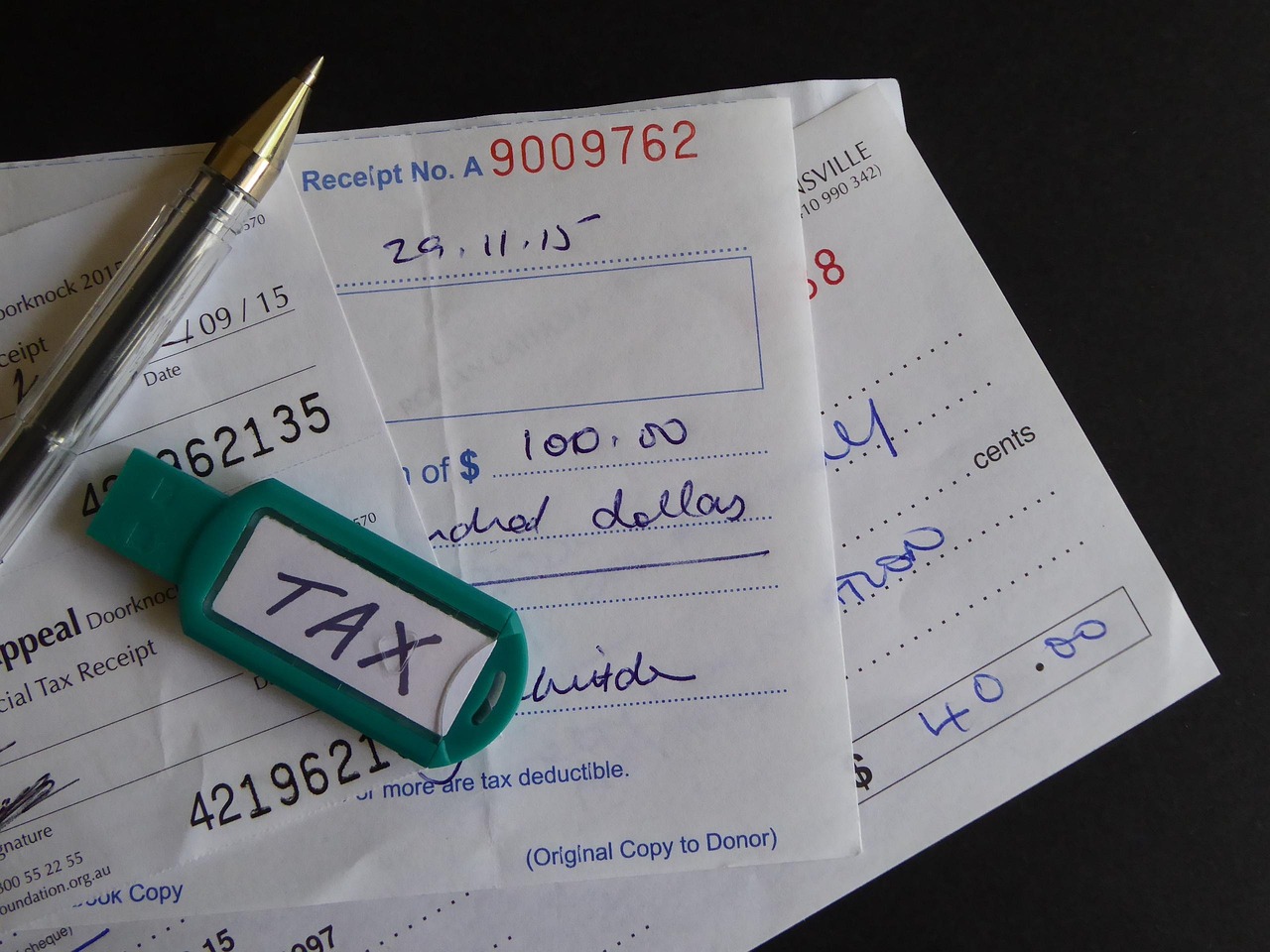
When making charitable contributions, documenting every gift is vital for tax deduction eligibility. For claiming a deduction, the IRS requires proof of your contributions. This documentation must be organized and accurate to ensure seamless tax reporting. Begin by keeping receipts from each donation, whether cash or non-cash. It is essential that these receipts include the name of the charity, the date of the contribution, and the amount donated. You can go a step further by maintaining a donation diary detailing all your charitable gifts. Tracking your donations aids in creating a comprehensive report for tax season. This diary could be in a physical format or digital, with notes on the purpose of each contribution. Furthermore, if you donate goods, such as clothing or furniture, document the approximate fair market value of these items. Valuation is crucial for non-cash contributions. You can also refer to resources like the Goodwill guide for understanding item pricing. Make sure to regularly update your records throughout the year, keeping them organized allows for efficient retrieval during tax preparations.
Additionally, if your contributions are significant, consider obtaining written acknowledgment or a receipt from the charity. For donations exceeding $250, the IRS requires a formal acknowledgment letter from the charity. This letter must state the amount and date of the contribution and confirm whether any goods or services were received in return for the donation. If applicable, be sure to retain your bank records, canceled checks, or credit card statements as supplementary proof. Electronic donations are common and appropriate for charitable giving. For electronic contributions, confirmations received via email can serve as reliable documentation. Prepare for potential audits by keeping all relevant documents for at least three years after filing your tax return. If your charitable contributions exceed $500 in non-cash gifts, form IRS Form 8283 becomes necessary. This form provides detailed information about the donations made and the values assigned to them. It is crucial for taxpayers to ensure compliance with the IRS reporting rules. Disorganized records can lead to missed deductions, costing you money. The key is consistency in documentation, so staying organized will pay off during tax season.
Understanding the types of charitable donations impacting your taxes is essential. Not all gifts qualify for tax deductions, so awareness of what constitutes a deductible donation is crucial. Cash donations are straightforward, as they usually require just a receipt or financial documentation. However, in-kind contributions, such as clothing or items for auction, involve more detailed documentation requirements outlined by the IRS. When donating property, it’s also necessary to consider its current value. Donors should familiarize themselves with IRS guidelines, particularly in valuing items. While appraisals may be mandatory for high-value donations, several charities provide guidelines or resources for determining worth. Learn about potential limits for certain types of donations, like vehicles or artwork, which have special rules. Familiarize yourself with special considerations around donating cryptocurrency or international charities. Recordkeeping should extend beyond simply maintaining written proof; keep detailed descriptions of donated items, which will aid in proper valuation. Develop a consistent reporting and documentation system that aligns with IRS expectations. This approach paves the way toward maximizing tax benefits for your charitable efforts while supporting meaningful causes and organizations.
Using Technology for Documentation
Utilizing technology is increasingly becoming a popular method for managing charitable contributions. With numerous apps available, tracking donations has never been easier. These apps not only facilitate organization but also streamline the reporting process during tax time. They can help you capture donation details in real-time, thus minimizing errors in your records. Some even automatically calculate the fair market value of non-cash donations, assisting you in proper valuation for tax purposes. Through these digital platforms, you can upload photos of receipts to eliminate clutter and ensure secure storage for documentation. Additionally, many apps prompt users to set reminders for regular charitable giving intervals, maintaining consistency. Another great advantage of these digital solutions is easy record retrieval. During tax season, finding specific donation records is simplified, saving you valuable time. Select an app that offers features aligning with your organizational needs, including the ability to categorize donations and generate end-of-year summaries. Evaluating your documentation methods, either physical or digital, is paramount. Making informed choices will ultimately lead to smoother tax experiences while ensuring compliance with IRS standards.
The IRS guidelines for charitable giving and documentation should guide your strategies. Knowledge of these regulations empowers taxpayers to capture eligible deductions effectively. For many taxpayers, familiarizing themselves with the IRS Charitable Contributions document and FAQs is beneficial. Furthermore, visibility into common pitfalls can help avoid mistakes, such as missing deadlines or failing to retain adequate documentation. Explore if you’re eligible for any state tax deductions associated with charitable contributions, as many states offer additional incentives. Pairing federal and state deductions can boost your tax savings significantly. Be mindful to research how each state handles charitable contribution documentation, as it may differ from federal standards. Engage with nonprofit organizations to ensure your contributions align with their operational needs and reporting. Understanding the impact of your donations leads to more informed giving choices, benefiting both you and the charitable organizations. Creating lasting relationships with reputable charities may enhance future contributions as you become aware of their needs. Your philanthropy should serve as a path to change within the community, and proper documentation reinforces this commitment.
Finally, consulting with a tax professional can provide valuable insights regarding charitable contributions. A tax advisor can tailor strategies focusing specifically on maximizing your deductions and remaining compliant with the IRS regulations. Such professionals can clarify eligibility requirements, ensuring your documentation meets all requisites. They can guide you through the complex landscape of charitable giving and taxes, helping you establish a clear understanding of what routine practices will be beneficial. Should your donations involve substantial sums or non-traditional assets, engaging a specialist may prove essential. Tax codes evolve, so regularly updating your knowledge and approaches is necessary. A tax professional can also assist with tax planning, including year-round strategies for charitable contributions, optimizing how they affect your tax burden. Every taxpayer should prioritize investing time in understanding their tax implications, especially in the realm of charitable giving. Whether a seasoned donor or a newcomer to philanthropy, you will benefit from continued education. Prioritize maintaining organized, precise documentation to reap the rewards of your charitable contributions come tax season. Efficient planning and documentation result in meaningful contributions that can profoundly affect others.
In conclusion, effectively documenting your charitable contributions is essential for maximizing tax deductions and ensuring compliance with IRS guidelines. By creating a systematic approach to recording and retaining donation details, you can simplify the reporting process significantly. This will reduce stress during tax season as you will have all necessary documentation at your fingertips. Take advantage of technology to streamline your recordkeeping and utilize the many resources available, such as IRS guidelines, apps, and donation diaries. In doing so, you enhance your chances of maximizing your tax benefits from charitable giving. Furthermore, engaging a tax professional ensures that your strategies are tailored to your personal financial situation while staying informed about any changes in tax law. Embrace the philanthropic process while maintaining clear records of your contributions and their impact. Each act of kindness serves not only to support meaningful causes but contributes to your overall financial health. Pay careful attention to the details outlined in this article to ensure your commitments are well-documented and reflect your dedication to making a difference. Remember, organized documentation directly translates into peace of mind while optimizing your charitable contributions.