
Increasing Customer Lifetime Value via Sales Funnel Management
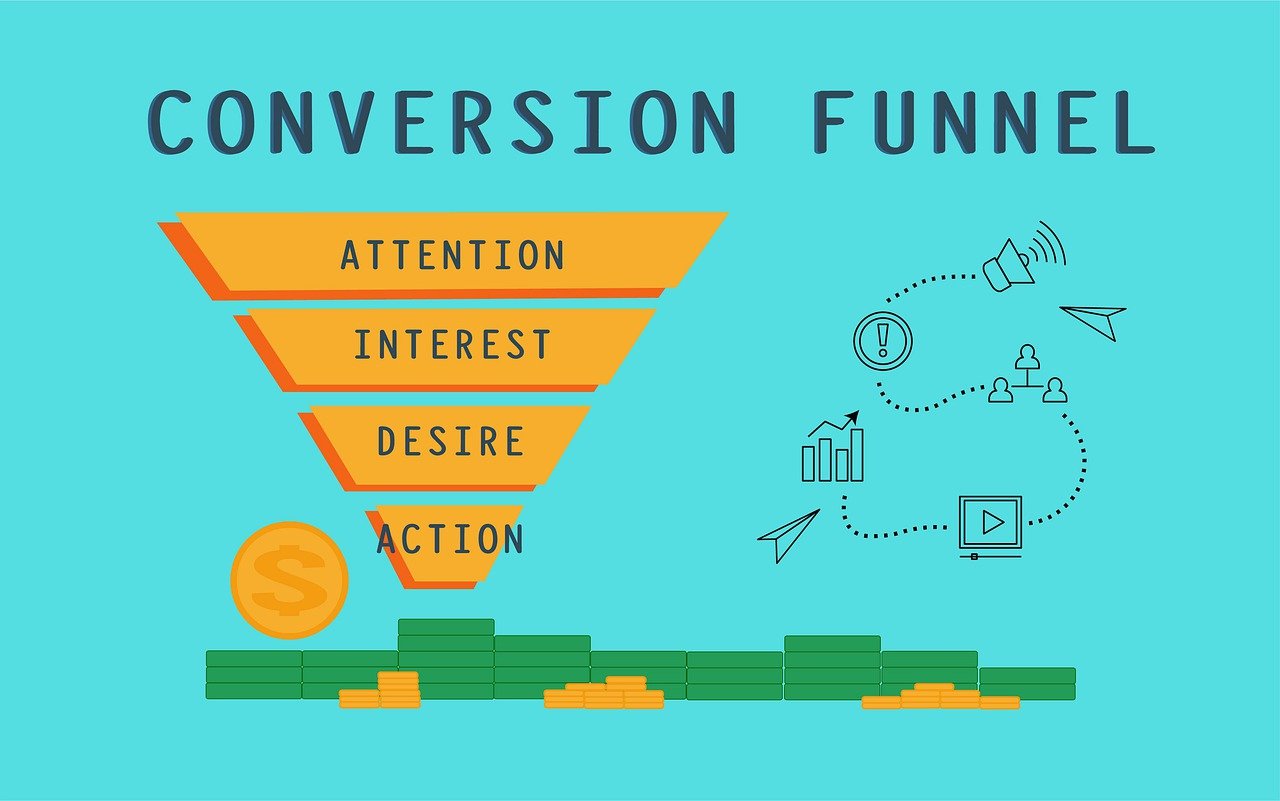
Optimizing the sales funnel is critical for businesses aiming to enhance customer lifetime value (CLV). A well-managed funnel helps in efficiently nurturing leads, converting prospects into customers, and ultimately retaining them. Understanding how each stage of the funnel influences customer behavior is essential. The funnel typically consists of awareness, consideration, and decision stages. Each of these stages requires tailored marketing strategies to engage potential customers effectively. By enhancing customer experiences at each stage, businesses can boost their chances of conversion. A robust sales funnel also allows for ongoing relationships with customers, encouraging repeat purchases. Businesses can leverage various tools and analytics to track customer interactions throughout the funnel. This data informs marketing strategies and provides insights into customer needs and preferences. Knowing these insights helps in creating personalized experiences for customers, making them feel valued. Ultimately, refining the sales funnel not only increases CLV but also builds brand loyalty. Therefore, investing time and resources into sales funnel management can yield long-term benefits for businesses, creating a cycle of continuous engagement and satisfaction.
To effectively manage your sales funnel, it is essential to define key performance indicators (KPIs). KPIs help track the effectiveness of your strategies and provide measurable outcomes. Common KPIs include conversion rates, customer acquisition costs, and engagement metrics. Monitoring these indicators allows businesses to identify areas needing improvement. By focusing on metrics, companies can develop informed strategies to optimize each sales funnel stage. For instance, if low conversion rates are noticed, it may indicate ineffective communications at the consideration stage. Businesses must also analyze customer feedback to enhance funnel effectiveness. This can be collected through surveys, social media, or direct interactions. Engaging with customers during their journey helps refine the process. Additionally, utilizing A/B testing for funnel components can provide valuable insights into what resonates best with the audience. Experimenting with different messages, visuals, or offers can yield better results. Investing in customer relationship management (CRM) tools is also beneficial. CRMs help streamline processes and provide a comprehensive view of customer interactions, making it easier to manage relationships and improve CLV.
Segmenting Your Audience
Audience segmentation is a powerful tactic in sales funnel management. By dividing customers into specific groups based on shared characteristics, businesses can tailor messaging more effectively. Segmentation can be based on demographics, purchase history, or behavior patterns. Effective segmentation allows marketers to craft personalized messages that resonate with each group. For example, sending targeted emails to high-value customers during their decision-making phase can encourage higher conversion rates. Additionally, offering custom promotions can enhance engagement and drive repeat purchases. With the help of analytics tools, businesses can better understand their segments and adjust their strategies accordingly. By analyzing data, companies can identify which segments generate the highest CLV and tailor their marketing efforts to support those customers. This focused approach not only helps in improving sales but also fosters customer loyalty. It is crucial to regularly update segments as customer preferences and behaviors change over time. Failing to adapt may lead to missed opportunities in the market. As the landscape evolves, testing and re-evaluating customer segments ensures continuous improvement in sales funnel management.
One effective strategy for enhancing customer lifetime value through sales funnel management is creating exceptional content. Valuable content not only attracts leads but also nurtures existing customers. High-quality blogs, videos, and infographics can engage your audience and encourage them to move through the funnel. Content should be tailored to each stage of the funnel, addressing specific pain points and interests. Awareness-stage content might focus on introducing solutions to potential problems, whereas decision-stage content can include case studies and testimonials. Providing a variety of content types caters to different customer preferences as well. It is crucial to maintain consistency in the messaging across all platforms. Consistent branding builds trust and recognition, reinforcing your business’s reliability. Engaging content should encourage sharing, further expanding your reach. Additionally, employing a strong call to action in your content guides customers toward the next step in the funnel. Integrating social proof, such as user-generated content and reviews, can strengthen trust and credibility. Ultimately, thoughtful content strategies contribute significantly to enhancing customer experiences and increasing CLV.
Utilizing Automation Tools
In the era of digital marketing, automation tools play a crucial role in sales funnel management. Automated workflows streamline processes, reduce manual tasks, and ensure timely engagement with customers. For example, automated email marketing campaigns can nurture leads at various funnel stages without requiring constant manual oversight. This efficiency allows businesses to maintain consistent communication, keeping prospects engaged. Moreover, automation can help in segmenting audiences effectively. Through analyzing customer interactions, automated systems can categorize customers into tailored groups for more personalized communication. Chatbots also enhance customer experience by providing instant assistance, answering queries, and guiding users through the funnel. These tools can significantly impact conversion rates as customers appreciate quick and responsive solutions. Additionally, integrating customer relationship management (CRM) systems with automation tools allows for better data analysis. This helps refine marketing strategies continually and leads to higher customer retention rates. Ultimately, investing in the right automation tools can save time, reduce errors, and foster more meaningful relationships with customers, all contributing to increased customer lifetime value.
Customer feedback loops are vital in enhancing sales funnel management for increased lifetime value. They provide insights into customer experiences and areas for improvement. Encouraging customers to share feedback during and after their journey aids in understanding their needs and expectations. This can be facilitated through surveys, reviews, or direct outreach. By actively listening to customers, businesses can identify pain points, helping them optimize the funnel effectively. Addressing these concerns leads to improved satisfaction and encourages repeat purchases. Additionally, using feedback to iterate on offerings and marketing strategies demonstrates that the customer’s voice matters. Implementing changes based on this feedback not only builds trust but also deepens relationships. Highlighting how customer suggestions led to improvements can enhance brand loyalty. Businesses that prioritize customer opinions are more likely to create a stronger community around their brand. Providing incentives for feedback, such as discounts or loyalty points, can increase participation. Thus, establishing a cycle of continuous improvement is essential for maximizing CLV and ensuring success in competitive markets.
Measuring Success and Making Adjustments
Measuring the success of sales funnel management is essential for identifying effective strategies. Data-driven decision-making enables businesses to understand what works and what needs adjustment. Regularly reviewing sales metrics, customer feedback, and acquisition costs provides valuable insights. By establishing a set timeline for measurement, businesses can evaluate the impact of changes over time. If strategies are not yielding desired results, refining approaches is necessary. This may involve adjusting messaging, altering customer segments, or testing new content formats. Utilizing A/B testing helps in determining the effectiveness of different strategies. This method ensures that businesses focus on the approaches that generate results. Furthermore, discussing metrics across departments improves collaboration and aligns goals, creating a unified effort toward increasing CLV. Allocating resources towards high-performing strategies enables optimization of marketing budgets as well. Staying adaptable in a constantly changing market landscape ensures ongoing success in funnel management. Businesses that regularly measure their strategies are better positioned to make informed adjustments that positively influence customer lifetime value.
In conclusion, enhancing customer lifetime value through effective sales funnel management requires a multifaceted approach. Engaging content, audience segmentation, and automation are key strategies that contribute significantly to success. Feedback loops further enable continuous improvement, ensuring businesses remain responsive to customer needs. Regular measurement and strategic adjustments maximize funnel effectiveness. Investing in these areas not only leads to higher conversion rates but also fosters stronger relationships with customers. Satisfied customers are more likely to become repeat buyers, contributing to increased revenue. By focusing on these principles, businesses can create a robust sales funnel tailored to their audience and ultimately increase CLV. The stakes are high in today’s competitive market, and a well-optimized sales funnel can set businesses apart. Consistently refining strategies and listening to customers is essential for ensuring longevity and success. As marketplaces evolve, adaptability is critical to thriving and meeting changing customer expectations. Emphasizing strategic funnel management today will yield benefits for years to come, driving sustainable growth and maximizing customer lifetime value.