
Using Industrial Production Data to Predict Economic Recessions
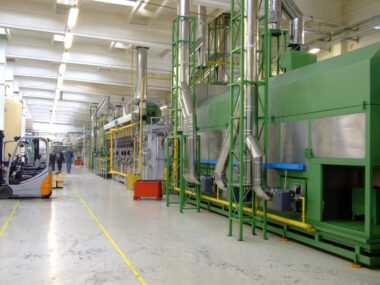
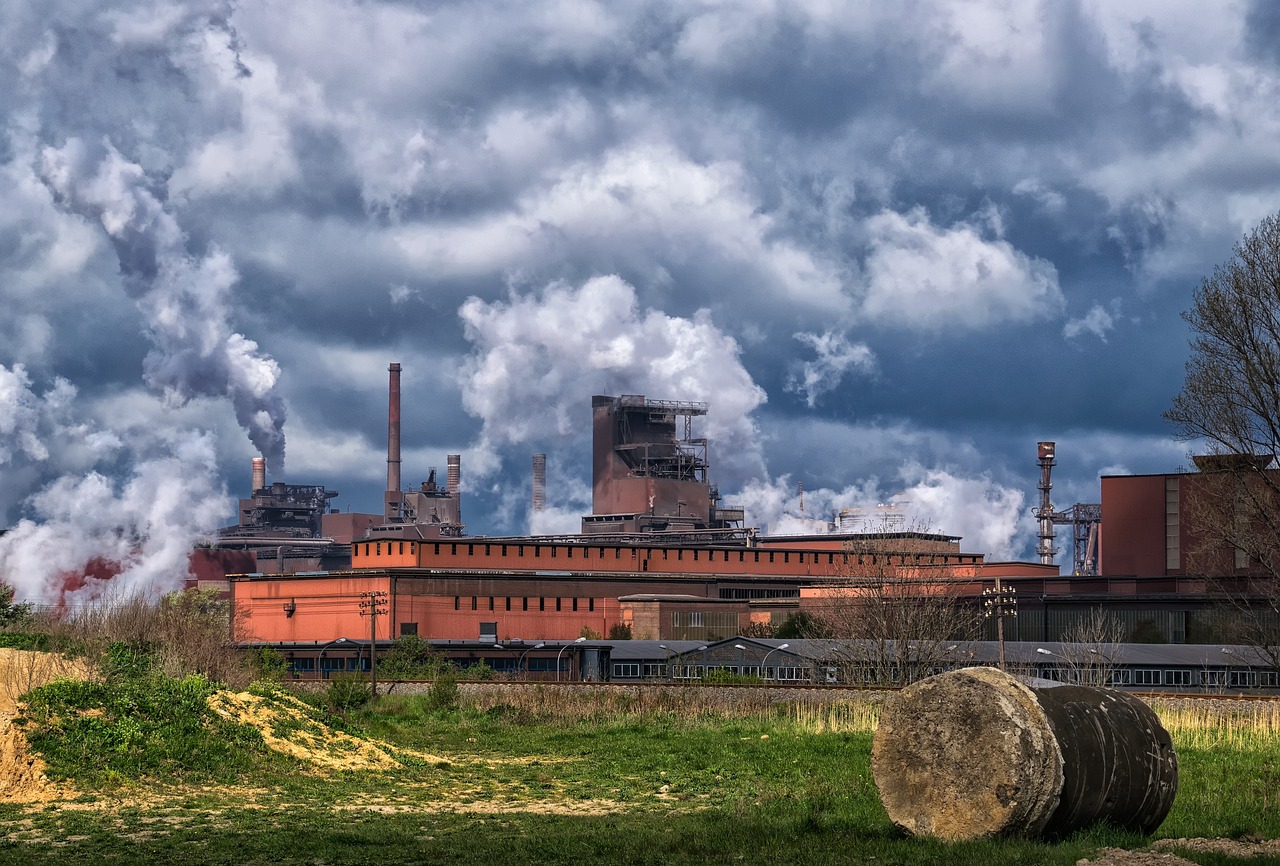
Industrial production data plays a crucial role in assessing the economic health of a nation. By analyzing the fluctuations in manufacturing, mining, and utilities, economists can gauge the overall economic activity. An increase in industrial production typically indicates a growing economy, as businesses ramp up output to meet rising consumer demand. On the other hand, declining industrial output can signal economic slowdown, prompting concerns of potential recessions. Understanding these trends is vital for policymakers and investors alike, as this information can guide strategic decisions. Investors look at industrial production to assess a company’s performance and broader market conditions. When production dips, it may indicate reduced consumer spending, which can negatively impact stock prices. Thus, having reliable and timely data is essential for making informed decisions in today’s dynamic economic landscape. The implications of industrial production data extend beyond mere statistics, as they shape fiscal and monetary policies. Central banks closely monitor this data to adjust interest rates, thereby influencing lending and investment behaviors. Hence, the interplay between industrial production and economic recessions is both intricate and significant, necessitating a deeper understanding and ongoing analysis of these indicators.
One key method economists use to predict recessions is by evaluating the industrial production index (IPI). The IPI reflects the real output of the manufacturing, mining, and electric and gas utilities sectors. A consistent decline in this index could serve as an early warning signal of an impending recession. Economists analyze IPI trends over various periods to identify patterns that may indicate future economic conditions. Such analysis enables forecasters to assess if the economy is entering a contraction phase. Moreover, comparing IPI with other economic indicators—like consumer sentiment and retail sales—provides a more comprehensive view of the economic landscape. The relationship between industrial production and gross domestic product (GDP) is particularly telling, as production is a key contributor to GDP growth. As GDP contracts, the industrial output tends to follow suit, leading to downward pressures on employment and income. Periods marked by declining industrial production often coincide with rising unemployment claims and reduced consumer confidence. Therefore, recognizing the correlation between these indicators can enhance predictive accuracy when assessing potential recessions.
Linking Industrial Production to Economic Health
Moreover, industrial production varies across sectors, reflecting the diverse components of the economy. For instance, a slowdown in manufacturing may happen while mining industries remain stable or even expand. Analysts note the importance of cluster analysis, which involves studying groups of correlated industries. This approach helps identify sectors that are underperforming or driving growth within the broader economy. Tracking sector-specific production metrics allows for a nuanced understanding of economic health. Additionally, industry experts utilize seasonally adjusted data to eliminate fluctuations resulting from seasonal patterns, providing a cleaner signal for trends. By focusing on core industries—such as automotive and electronics—analysts can discern whether a slowdown is merely cyclical or indicative of a potential recession. Collaboratively, these insights support businesses in adapting their operations to align with real-time economic conditions. As organizations consider how industrial production affects their market strategies, they also need to monitor international indicators. Global economic changes can influence domestic production levels, affecting predictions for localized recessions. Thus, understanding the interplay between domestic and international economic signals becomes paramount for accurate forecasting.
In addition to traditional methods of analyzing data, emerging technologies such as artificial intelligence (AI) are transforming how we interpret industrial production data. Machine learning algorithms now allow economists to sift through vast datasets, identifying patterns more efficiently than manual approaches. These technological advancements enhance predictive models, making them more accurate and timely. Leveraging AI in economic analysis also enables proactive responses to potential economic shifts. For example, if AI detects an anomaly in production data, policymakers can take measures earlier to mitigate negative impacts. As data becomes increasingly complex, the partnership between economic analysis and AI will likely deepen. By harnessing this technology, analysts can dynamically adapt their forecasts based on real-time industrial production metrics. These innovations have the potential to increase the resilience of economic modeling and allow for rapid identification of recessions. However, it is essential to remain cautious, as AI-driven predictions are only as reliable as the data they analyze. Therefore, integrating human expertise with technological advancements is crucial to navigating economic challenges effectively.
The Role of Government and Policy
Governments also play a significant role in influencing industrial production through policy decisions. Fiscal policies, such as tax incentives for manufacturing firms, can stimulate industrial growth and help boost overall production levels. Additionally, monetary policies, like adjusting interest rates by central banks, directly impact borrowing and investment in industry. These policy adjustments can lead to fluctuations in industrial activity, subsequently affecting the prediction accuracy of economic models. When governments implement stimulus packages during economic downturns, it can provide temporary relief to industrial sectors suffering contractions. Nonetheless, the effectiveness of these measures can vary based on public perception and market confidence. As such, utilizing industrial production data in conjunction with government policies becomes essential for holistic economic forecasting. Policymakers must consider the positive and negative implications of their decisions on industrial production. Furthermore, public-private collaborations can promote innovation and growth in vital sectors, creating a more stable economic environment conducive to future growth. Thus, a comprehensive understanding of industrial production allows for informed debates regarding the best strategies for maintaining economic resilience over time.
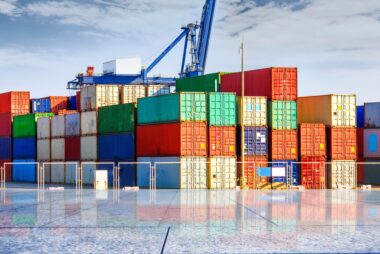
Export levels also bear a significant relationship with industrial production data, as global demand impacts domestic output. When international markets show growth, domestic production typically sees an uptick as companies prepare to meet increased export orders. Conversely, global downturns can trigger declines in industrial output, highlighting the interconnectedness of economies. Trade policies can influence the levels of exports and imports, ultimately affecting how industrial sectors respond. Analysts must therefore factor in changes in trade agreements, tariffs, and international relations when interpreting industrial production data. These elements play a crucial role in shaping the economic landscape and determining potential recession signals. Furthermore, cognitive biases can distort perceptions regarding the significance of industrial production data. Stakeholders may overreact to short-term fluctuations, neglecting the broader context that informs long-term trends. This underscores the need for a balanced, analytical approach when assessing economic indicators. Understanding the nuances of industrial production data is critical for stakeholders across industries, including government officials, investors, and business leaders. Through nuanced analyses, they can navigate the complexities of our increasingly interconnected global economy.
Conclusion
In conclusion, industrial production data serves as an invaluable tool for predicting economic recessions. The insights drawn from these metrics can assist analysts and policymakers in making informed decisions to mitigate potential downturns. A deep understanding of the interplay between industrial production, government policies, and global dynamics is essential to economic forecasting. As new technologies such as AI and machine learning emerge, they will enhance our capacity to interpret industrial production data. This evolution in analysis will allow decision-makers to stay ahead of economic shifts and adopt proactive strategies to navigate challenges. Nonetheless, continuous scrutiny of historical trends is crucial, as these can reveal underlying risk factors that might otherwise go unnoticed. The collaboration between human expertise and technology in economic analysis creates a more resilient framework for understanding industrial production’s impact on the economy. By remaining vigilant and adaptive, stakeholders can utilize industrial production data to not only anticipate economic recessions but also foster growth and recovery. Our proactive approach to data interpretation will ultimately define the future landscape of economic resilience.
Understanding the methodology behind industrial production data collection is pivotal for accurate economic forecasting. The advancements in data collection methods enable economists to obtain more precise measurements over time. Regular updates and revisions to this information ensure that forecasts remain relevant and shed light on real-time economic conditions. Economies worldwide rely on this data to evaluate their fiscal health and make strategic decisions accordingly. As global interlinkages deepen, reliance on accurate data will only intensify. Economists advocate for transparent data dissemination to enhance public understanding. Frequent reports about industrial output should be made accessible to stakeholders, including private and public entities. This transparency builds trust in economic analysis and empowers stakeholders to make data-driven decisions. Furthermore, the collaborative efforts of various government agencies enhance the reliability of production statistics. As new challenges arise in economic interpretation, fostering open dialogue between experts and stakeholders will become increasingly important. Economists must continuously refine their techniques to address emerging issues effectively and leverage industrial production data as a means to predict economic behavior. Thus, investing in research and dialogue surrounding industrial data will play a pivotal role in shaping the future of economic forecasting.