
Biometric Authentication’s Effect on Reducing Banking Identity Theft
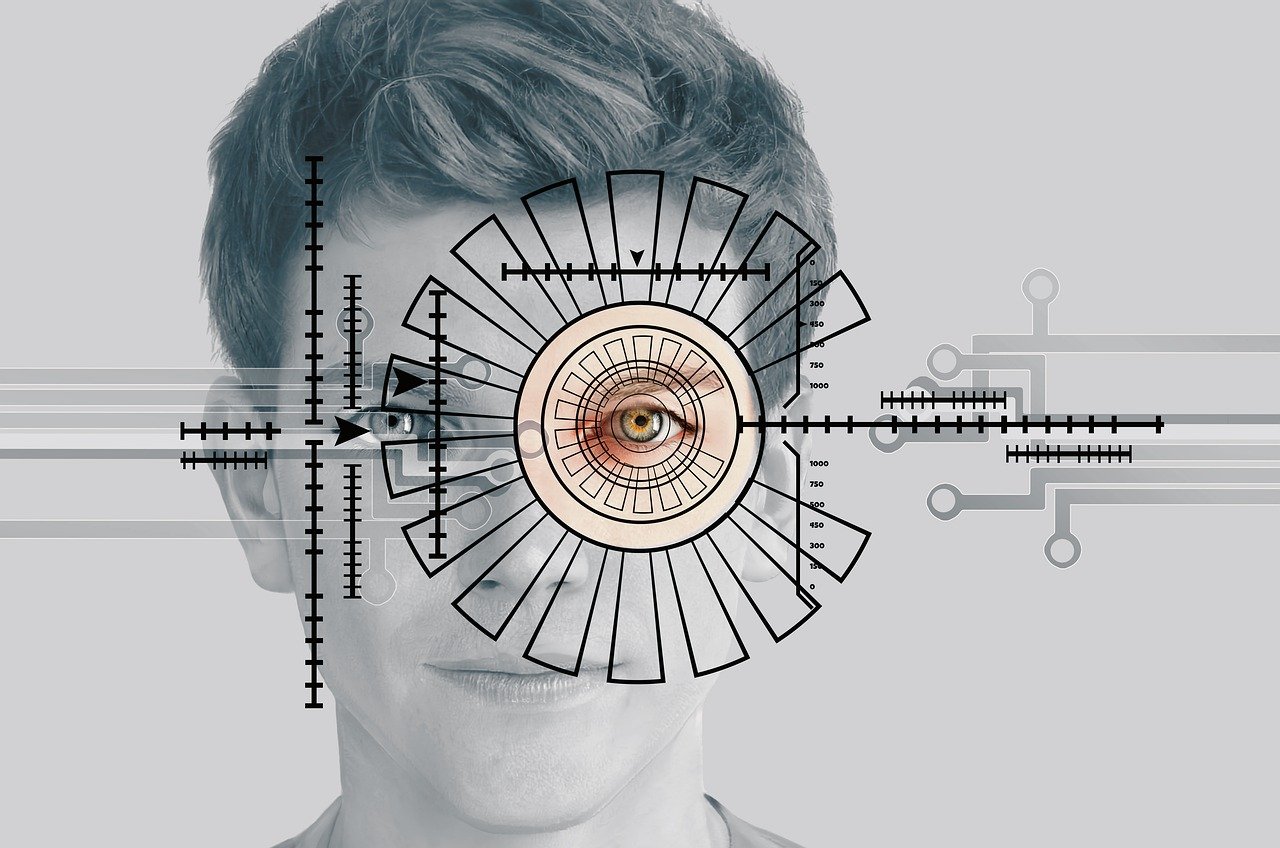
In today’s rapidly evolving banking landscape, identity theft remains a persistent threat that impacts millions of consumers globally. Traditional authentication methods, such as passwords and PINs, are increasingly vulnerable to sophisticated cyberattacks. As a result, financial institutions are increasingly turning towards biometric authentication as a solution. Biometric authentication, which utilizes unique physical characteristics like fingerprints, facial recognition, or voice patterns, significantly enhances security and addresses these vulnerabilities. The core advantage lies in the fact that biometrics are inherently unique to each individual, making it nearly impossible to replicate or steal. With this advanced technology, banks not only streamline their user verification process but also bolster their defenses against identity theft. Moreover, integrating biometrics into banking services adds an extra layer of convenience for consumers, as they no longer need to remember complex passwords. As the adoption of biometric systems continues to rise, financial institutions are witnessing a corresponding decline in reported identity theft cases, making it a crucial tool in the fight against fraud in banking.
The advantages of biometric authentication extend beyond mere security enhancements; they also foster trust and confidence among customers. When clients feel secure about their banking interactions, they are more likely to engage in more transactions and explore additional financial services. Moreover, biometric solutions can help banks distinguish between their legitimate customers and potential fraudsters. For example, if a biometric scanner detects a mismatch or anomaly during an authentication attempt, it can instantly flag the transaction for the bank’s review. This proactive approach effectively mitigates risks and reduces fraud losses. Another benefit is the reduction in operational costs associated with managing lost or stolen cards. By foregoing traditional plastic cards in favor of biometrics, banks minimize expenses related to card production and potential fraud investigations. As institutions embrace this innovative technology, they not only enhance their security posture but also improve their overall customer experience. With streamlined authentication processes, customers can access their accounts and make transactions more efficiently, appealing to the digital-savvy user base that demands convenience.
Challenges in Implementing Biometric Authentication
Despite the numerous benefits of biometric authentication, significant challenges remain in its implementation across banks. One major concern is the potential for privacy violations, as customers may be wary of having their biometric data collected and stored by financial institutions. Banks must ensure transparent policies regarding data usage and protection, which are paramount in gaining consumer trust. Additionally, there are concerns surrounding the security of the biometric data itself. If a cybercriminal manages to breach a bank’s system and access stored biometric data, they could potentially misuse it for fraudulent purposes. This necessitates robust cybersecurity measures to safeguard biometric databases and maintain the integrity of the biometric systems. Furthermore, the technology can present issues with accessibility, particularly for elderly clients or those with disabilities who might have difficulty using certain biometric tools. Banks must offer alternative methods of authentication to ensure inclusivity and accommodate all customer needs. Moreover, the cost of implementing high-tech biometric systems can be substantial, potentially limiting smaller banks from adopting them vertically.
Regulatory and compliance hurdles are also challenges that banks need to navigate when implementing biometric authentication. Different regions have varying regulations concerning the collection and processing of biometric data. Banks must ensure compliance with these laws, which can complicate the rollout of biometric solutions on a global scale. Additionally, there are concerns surrounding accuracy and reliability. For instance, false positives or negatives can occur, leading to customers being denied access to their accounts or, conversely, unauthorized access to accounts. Continuous improvement of recognition algorithms and maintaining high standards of technological performance are necessary to address these issues effectively. Consumer education plays a vital role in the acceptance of these systems. Banks need to communicate the effectiveness and security of biometrics, ensuring that customers understand how their data will be used and protected. Educational campaigns can help mitigate fears associated with biometric data breaches while promoting the benefits of biometric authentication. Fostering an environment of transparency and trust is essential for the successful integration of biometric systems in the banking sector.
Future Prospects of Biometric Authentication
Looking ahead, the future of biometric authentication in banking appears promising as technological advancements continue to emerge. Banks are increasingly exploring multifactor biometrics, which combines various authentication methods such as facial recognition and voice recognition to create a more layered approach to security. This can offer even greater protection against sophisticated hacking attempts, as criminals would need to bypass multiple authentication processes. Furthermore, innovations like behavioral biometrics, which analyze individual user patterns in how they interact with devices, are beginning to surface. This adds an additional layer of context-aware protection. For instance, if a user suddenly accesses their account from a new device, the system can request further verification. Consumer acceptance of biometric technologies is expected to increase over time as people become more familiar with these systems. As seen with the widespread adoption of mobile payment solutions that utilize biometrics for transactions, user comfort will likely translate to greater demand. Consequently, banks that innovate and invest in developing secure biometric solutions may find themselves at a competitive advantage in this evolving financial landscape.
Collaboration between financial institutions and technology players will be crucial in harnessing the full potential of biometric authentication. By partnering with various tech firms specializing in biometrics, banks can access cutting-edge technology and expertise to enhance their offerings. This can drive innovation and lead to the development of more secure and user-friendly biometric systems. Furthermore, as more banks adopt these technologies, industry standards may emerge, fostering interoperability and creating a robust ecosystem of biometric solutions that can be applied seamlessly across various banking platforms. Educational initiatives concerning biometric security measures will be paramount for ensuring safe and responsible use of this technology. Financial institutions should prioritize educating both employees and customers about how biometric authentication works, its benefits, and security features. Having a well-informed customer base will instill confidence in adopting these technologies while encouraging responsible use. Furthermore, transparency regarding data handling processes will mitigate privacy concerns while strengthening the perceived legitimacy of these technologies. Collaboration, trust-building, and education will pave the way for the broader acceptance of biometric authentication in banking.
Conclusion: The Impact of Biometric Authentication on Security
In summary, biometric authentication represents a significant evolution in the fight against banking identity theft. By offering a more secure and user-friendly approach to authentication, banks can effectively reduce fraudulent activities while enhancing customer experiences. As financial institutions navigate the challenges and opportunities presented by this technology, the focus should remain on security, privacy, and consumer trust. The initiatives taken to educate consumers about both the benefits and risks associated with biometric technologies will be critical in fostering a positive perception. With the right collaboration and innovation, biometric authentication can revolutionize the banking sector, creating a safer environment for financial operations while mitigating identity theft risks. As biometric solutions continue to evolve, banks must remain vigilant in addressing real-time threats and ensuring compliance with regulatory frameworks surrounding personal data protection. As such, the confluence of robust technology, transparent practices, and customer education will dynamically transform banking security, ultimately leading to a more secure future in the financial industry. The critical synergy between technology and trust could significantly improve consumer safety in everyday banking transactions.
Overall, the transition toward biometric authentication is inevitable as consumers demand more secure and intuitive banking experiences. Collaborating with technology experts and customers, financial institutions can create a paradigm shift in how personal identification is handled in the banking space. By addressing concerns, banks can steadily build trust and ensure that their services remain both secure and of high value. Biometric authentication not only combats identity theft effectively but also helps reshape the banking landscape to meet 21st-century demands. As cybersecurity threats grow more complex, adopting such progressive solutions is essential to stay ahead in safeguarding customer assets. With ongoing technological advancements and increased consumer acceptance, biometric authentication systems are poised to become the norm in banking, setting new standards for security for years to come.