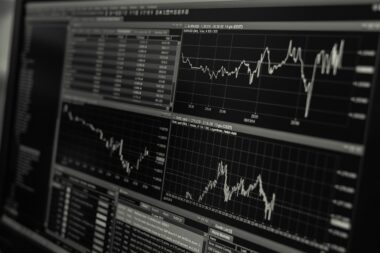

The Role of Time Frames in Technical Analysis
In the realm of technical analysis, time frames hold a pivotal position in understanding market movements. Investors and traders utilize various time frames to interpret price data effectively. Short-term traders often prefer minute or hourly charts, as they facilitate quick decision-making. Conversely, long-term investors might focus on daily or weekly charts. This differentiation in time frames can significantly impact investment strategies. By choosing the appropriate time frame, participants can better align their methodologies with their financial goals. Moreover, the selection of time frames helps to identify trends more clearly, enabling informed decisions. For instance, a bullish trend may be apparent in a weekly chart but masked in an hourly chart. Consequently, recognizing these discrepancies plays a crucial role in devising tactical approaches to market investments. Practicing with different time frames enhances one’s ability to analyze movement patterns. With consistency and experience, traders develop their own strategies tailored to specific time frames, optimizing potential returns. Each trader’s unique style solidifies the necessity of understanding the time frame concept well, ultimately leading to greater trading proficiency.
One of the most significant aspects of technical analysis involves supporting trading decisions with multiple time frame analysis. This approach provides a holistic view of market trends. By examining a security on both longer and shorter time frames, traders can discern the overall market direction. For instance, an upward trend observed on a daily chart can be reinforced by a shorter hourly analysis. Conversely, if shorter time frames show contradictory signals, this divergence warrants caution. An integrated approach ensures traders are not misled by short-term noise, which often obscures larger trends. Moreover, successful traders typically develop a routine to review various time frames regularly. This method helps in catching trends early and stepping away from emotionally-driven decisions. For example, they may develop a pyramid system: a broader view for initial investment decisions followed by in-depth analysis on shorter time frames. Ultimately, utilizing multiple time frame analysis builds a stronger foundation for effective decision-making. By being aware of these perspectives, traders can minimize risks while maximizing potential profitability. Therefore, mastering time frames is essential for those wishing to engage successfully in technical analysis.
Impact of Time Frame Selection
The choice of time frame significantly influences trading outcomes and strategies. Traders who rely on short time frames may experience heightened volatility. In contrast, those who utilize longer time frames typically witness more stable trends. These varied time frames offer distinct opportunities and challenges. For example, shorter time frames may reveal sudden price spikes or dips, creating potential for quick profits but also increased risk. On the other hand, longer time frames provide a comprehensive perspective on trend direction. Thus, traders must balance their strategies according to the time frames employed. Additionally, emotional influences often alter decision-making processes based on time frame selection. Day traders may face pressure to act quickly, while swing traders might take a more methodical approach. As a result, an understanding of each timeline’s influence is paramount. New traders often gravitate toward shorter time frames due to the allure of rapid gains. However, this can lead to impatience and hasty decisions that ultimately hurt their portfolios. Therefore, traders should assess their risk tolerance and emotional resilience before choosing their preferred time frames.
Different asset classes exhibit varying characteristics across multiple time frames. For instance, a commodity like oil may experience significant price swings within short time frames; however, its long-term view often shows a consistent trend. Conversely, more stable assets like bonds may demonstrate less drastic fluctuations, emphasizing the importance of the chosen time frame. These distinctions highlight how asset classes require differing approaches in technical analysis. Moreover, incorporating fundamental analysis alongside time frame selection enhances overall insight. By contextualizing price data with economic indicators, traders can make better predictions about potential movements. While technical analysis strictly relies on historical price data, integrating broader factors may mitigate risks associated with time frame discrepancies. Additionally, fostering patience is critical in particular time frames. Day traders might find it challenging to maintain discipline, leading to hasty decisions that could be detrimental. Longer-term strategies tend to allow traders breathing space, encouraging more calculated actions. Educating oneself on how specific assets operate within various time frames can lead to improved trading performance. Therefore, continual evaluation of time frame relationships with asset classes facilitates better investment decision-making.
Adjusting Strategies for Time Frames
Traders must adapt their strategies according to the selected time frames for optimal results. Short-term strategies often emphasize rapid execution and efficiency. Such strategies necessitate robust technical indicators like moving averages, RSI, or MACD to promptly identify entry and exit points. In contrast, longer-term strategies might emphasize fundamentals rather than just technical charts. This differentiation highlights the importance of aligning strategies with time frame objectives. Proper analysis of specific time frames can influence the types of indicators one should leverage. For instance, day traders may prefer indicators that react quickly to price changes, while long-term investors might focus on indicators that filter out daily volatility. Adapting one’s strategy to fit the desired time frame is essential for achieving sustainable success. Moreover, frequently evaluating one’s approach according to time frames ensures responsiveness to dynamic market conditions. Those who identify which indicators align with their strategies often enjoy enhanced clarity in their decisions. Furthermore, potentially shifting between strategies and time frames allows traders adaptability, accommodating different market environments. Ultimately, adjusting strategies according to time frame dynamics ensures effective management of risks and potential rewards.
Timing plays a significant role in technical analysis when it comes to executing trades effectively. Poor timing can turn a seemingly profitable trade into a loss. Understanding how price action interacts with different time frames can provide vital insights into market entry and exit points. For instance, a significant resistance level may indicate an appropriate time to sell based on longer-term trends. In contrast, shorter time frames might suggest a more aggressive approach during market fluctuations, thus requiring decisive action. Additionally, consistently revisiting one’s time frame strategy can enhance performance. This periodic assessment allows traders to adapt to shifting market conditions. Applying proper timing can lead to improved outcomes, increasing the chances of success. Furthermore, emotional discipline reinforces the importance of timing in trading. Traders must avoid making impulsive decisions based primarily on short-term price movements, which could compromise their overall strategy. Harnessing the strength of technical indicators across multiple time frames contributes to improved timing as well. Therefore, cultivating a keen sense of timing in relation to both the market and individual trades is fundamental for successful trading endeavors.
Conclusion: Mastering Time Frames
Mastering different time frames is essential for anyone looking to excel in technical analysis. This understanding not only enhances strategy development but also improves overall trading outcomes. By embracing the nuances of various time frames, traders can identify trends and adapt their actions accordingly. Furthermore, these insights empower investors to align their strategies with personal financial goals. Developing a comprehensive approach to analyzing time frames promotes sustained growth in trading performance. As traders gain experience, they will find themselves refining their methodologies to optimize input sources. This continued education aids in demystifying the complexities associated with time frames, leading to more informed trading decisions. Additionally, using the strengths of multiple time frames in tandem cultivates disciplined habits that can translate into long-term profitability. Embracing both short and long-term perspectives fosters versatility in trading practices. Ultimately, the role of time frames in technical analysis fundamentally shapes how effectively traders operate within any financial market. Diligent exploration of successful strategies across different time frames remains a priority for traders aiming to achieve adept financial success.
This last paragraph wraps up the entire discussion about time frames, looking to reinforce the lessons learned. By emphasizing the role of each time frame in a trader’s approach, we can reinforce why they are crucial in technical analysis. Successful trading requires understanding how to leverage these time frames to one’s advantage, ensuring effective risk management and strategic positioning in the market. As traders consistently apply these principles, they develop not only their trading performance but also their confidence in decision-making. Additionally, time frames teach traders patience; they learn that waiting for the right setup can mean turning losses into gains over time. Acknowledging these aspects allows for a well-rounded approach to market participation while maintaining discipline and focus on long-term objectives. Thus, following the insights outlined, traders of all experience levels can improve their technical analysis skills and thrive in various market environments. Ultimately, a successful trader recognizes the value of mastering time frame dynamics while remaining adaptable to ongoing changes in market landscapes. Looking forward, continuous exploration and education about time frames will only enhance one’s trading journey.