
Leveraging Predictive Analytics for Effective Campaigns
In today’s digital landscape, data-driven marketing has emerged as a transformative force empowering brands to connect with their audiences profoundly. Predictive analytics offers a powerful means to harness customer data, enabling marketers to conduct campaigns that are not only effective but also efficient. By analyzing historical data patterns, predictive analytics allows brands to make informed decisions about their marketing strategies, which increases ROI and improves customer relationships. This approach combines a variety of statistical techniques, such as machine learning, to predict future outcomes based on past trends. With the surge in data availability, brands can utilize these insights to understand consumer behavior, optimize marketing channels, and tailor messages, effectively engaging target audiences. Ultimately, leveraging predictive analytics enhances the ability of brands to anticipate customer needs, thereby fostering loyalty and encouraging long-term engagement.
Predictive analytics functions as a vital tool in the realm of data-driven marketing, enabling organizations to make proactive and informed decisions. By integrating customer insights and business metrics, it supports strategies designed to amplify impact. Organizations harness predictive analytics to fine-tune customer segmentation. This enables them to identify specific demographics who are more likely to respond positively to particular campaigns. In turn, this results in personalized messaging that resonates on a deeper level. Furthermore, predictive analytics aids in optimizing resource allocation, reducing expenditures associated with unproductive campaigns. Marketing teams can strategically direct budgets toward high-performing channels and swiftly discontinue those yielding lackluster results. As a consequence, organizations can achieve greater efficiency in their marketing efforts. By understanding which customer groups respond best to various promotions, companies can pivot their approaches to maximize reach. In the competitive landscape, adapting to data insights is crucial for retaining market relevance.
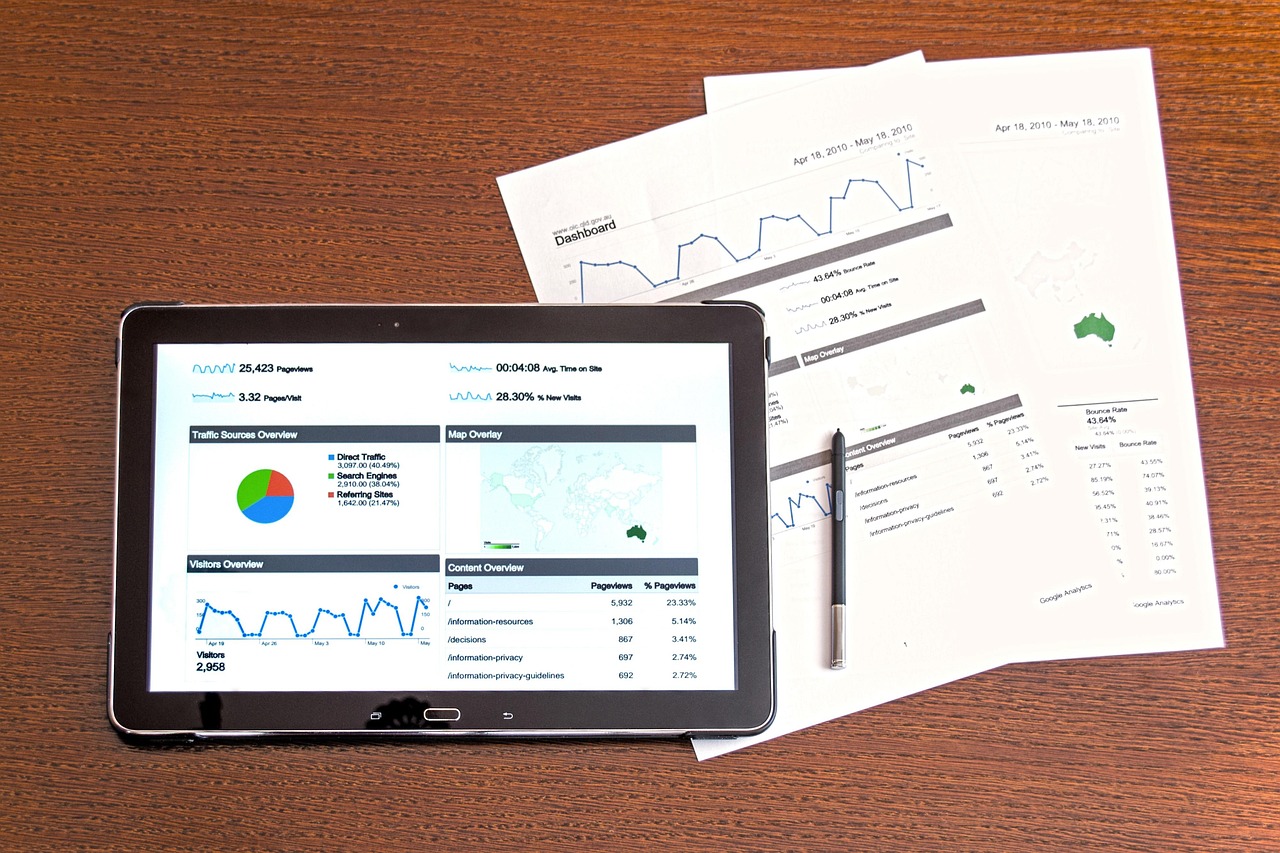
Implementing predictive analytics in marketing campaigns involves several steps to ensure its effectiveness. First, businesses should gather and clean relevant incoming data to foster accurate insights. This data may include purchase histories, customer interactions, and social media behavior. Once filtered, the data should be analyzed using sophisticated algorithms, enabling organizations to discern meaningful patterns. For example, companies can identify which products are likely to become popular or which demographics are ideal for marketing campaigns. Upon identifying these patterns, marketers can deploy tailored campaigns addressing specific preferences, driving engagement effectively. Additionally, ongoing analysis is important for assessing campaign performance. Continuous monitoring allows adjustments to be made in real-time, thereby maximizing returns on investment. Utilizing dashboards and visualization tools can greatly aid in this task. These enable stakeholders to comprehend complex datasets more intuitively, empowering quicker decision-making. Ultimately, predictive analytics enables a dynamic approach to marketing that continuously adapts to the changing needs of the audience.
The Importance of Data Quality
Data quality significantly impacts the effectiveness of predictive analytics in marketing strategies. Accurate and clean data is paramount to gain meaningful insights and make informed predictions. Poor-quality data, characterized by errors or inconsistencies, can lead to misguided decisions and ineffective marketing efforts. Therefore, establishing a robust data management system is essential for ensuring data integrity. Organizations should implement streamlined data collection processes complemented by regular audits to identify potential discrepancies within datasets. Furthermore, training staff on data governance and the importance of data accuracy ensures that they value quality data throughout the marketing team. Incorporating feedback loops enhances the understanding of data-driven approaches, encouraging continual improvements in data quality. In addition, organizations need to consider the source of their data. Relying on reputable and reliable data sources bolsters the foundation upon which predictive analytics operates. A commitment to maintaining high data quality ultimately enhances the predictive capabilities and ensures marketing campaigns resonate with target audiences effectively.
Another crucial aspect of leveraging predictive analytics in marketing is understanding customer behavior patterns. By analyzing customer interactions across various touchpoints, organizations can predict future behavior and optimize marketing efforts accordingly. For instance, predictive analytics can help identify which customers are likely to churn, enabling marketers to develop retention strategies. Knowing when and what types of communications resonate most effectively with certain segments can also enhance the campaign strategy. Implementing machine learning algorithms can streamline this process, providing real-time insights based on consumer behavior. Personalized customer experiences are then crafted based on these insights, leading to increased satisfaction levels. Utilizing customer-driven campaigns ensures that brands can deliver value to consumers while maximizing marketing effectiveness. In this way, predictive analytics serves as a guiding principle for customer-centric marketing initiatives. Ultimately, understanding consumer behavior through data fuels more impactful marketing, fostering long-term relationships and driving sustained growth for brands.
As marketing technology evolves, so too does the necessity for advanced predictive analytics. Automation tools can streamline many processes within the data-driven marketing ecosystem, leading to increased operational efficiency and reduced resource expenditure. In today’s fast-paced digital marketplace, brands can leverage automation powered by predictive analytics to manage vast datasets while still drawing actionable insights in real time. Automating repetitive tasks can free up valuable resources, enabling marketing teams to focus on strategic planning and enhancing the creative elements of campaigns. Furthermore, integrating artificial intelligence into predictive analytics elevates the capacity to adapt to changing consumer preferences dynamically. As algorithms continue to learn from data, they become more adept at delivering relevant insights and recommendations. In a world where consumer tastes are perpetually evolving, those brands which embrace automation and AI-powered analytics will likely gain competitive advantages. As a result, the fusion of technology and predictive analytics can help shape successful marketing initiatives with high adaptability.
Measuring Success and Adjusting Strategies
Measuring the success of campaigns powered by predictive analytics is vital for informing future strategies. Key performance indicators (KPIs), such as conversion rates, click-through rates, and customer lifetime value, play an instrumental role in assessing campaign effectiveness. Using analytics software, organizations can track these KPIs in real-time, enabling swift adjustments, if necessary. Understanding these metrics sheds light on which segments of the campaign are performing well and which require optimization. Moreover, employing A/B testing methodologies helps in isolating which elements resonate with customers the most. This iterative process, fueled by predictive analytics, ultimately allows businesses to refine their marketing models continuously. Furthermore, leveraging customer feedback, through surveys or interactions, can augment quantitative measurements. Analyzing qualitative data offers a deeper understanding of consumer sentiments, allowing brands to pivot as required. Overall, a robust measurement and adjustment methodology underscores the potential of predictive analytics to drive meaningful engagement and enhance campaign outcomes.
Incorporating predictive analytics into marketing strategies will become increasingly essential as data grows exponentially. The capabilities to analyze vast amounts of information and derive actionable insights position predictive analytics as an indispensable tool. As organizations strive to remain relevant in a competitive marketplace, developing a data-driven culture that embraces analytics is essential. By fostering an environment that appreciates data as a strategic asset, businesses can not only improve marketing tactics but overall decision-making processes. Familiarity with predictive analytics not only guides marketers in understanding present customer needs but also anticipating future trends. This proactive stance can empower brands to maintain a competitive edge. Furthermore, continued investment in technology and skills training enhances the overall effectiveness of predictive analytics initiatives. By adapting to new technologies that improve data processing and analysis, businesses will likely harness the transformative power of predictive analytics more fully. Ultimately, the successful implementation of these strategies will create a roadmap for sustained growth and customer loyalty in an ever-evolving marketing landscape.