
Negotiation Tips for Retail Real Estate Deals
Entering the retail real estate market requires strategic negotiation skills. Understanding the market dynamics is crucial for any investor. Start by researching current trends, identifying target demographics, and evaluating comparable properties in the area. Assessing these elements not only empowers you but also provides leverage during negotiations. Engage with local real estate professionals to gain insights about prevailing rental rates and occupancy rates. Utilize online platforms and databases to access market reports and trends. Ensure you are familiar with the specific types of retail properties, such as strip malls, standalone stores, or mixed-use developments. Each type presents unique challenges and opportunities. Having a clear understanding of property details equips you to negotiate better deals. Moreover, consider the seasonality of the retail market, which can influence lease terms. With comprehensive research, you can engage in informed discussions. Be prepared to adapt your negotiation strategy based on changing market conditions. Demonstrating expertise can expedite the decision-making process. Remember, knowledge is power in negotiations, so commit to ongoing learning in the field of retail real estate investment.
Effective communication is key to successful negotiations in retail real estate. Present your proposals clearly while being persuasive yet respectful. Address all parties involved with professionalism; misunderstood intentions can derail negotiations. Listen actively to the other party’s concerns and priorities, allowing you to identify areas for compromise. When you demonstrate that you value their input, it fosters a cooperative atmosphere. Create a strategic negotiation plan beforehand that outlines your goals and fallback positions. Having clearly defined objectives enables you to maintain focus during discussions. Use open-ended questions to uncover insights about the other party’s needs. Understand their motivations; knowing why sellers or landlords are offering particular terms can create advantageous situations. Examples of questions include, “What are the seller’s primary objectives?” or “Are there specific terms they’re flexible on?” This additional information can be critical in shaping your response and proposal. Ultimately, the most successful negotiators build relationships rooted in trust and integrity, ensuring that all parties feel valued throughout the process. Aim to foster an environment where both sides can emerge satisfied with the outcome of the negotiation.
Understanding Passive and Active Negotiation Styles
Negotiation styles significantly impact the outcome of retail real estate deals. Two prominent types are passive and active negotiation styles, each with distinct methodologies. Passive negotiators often prioritize maintaining harmony over assertively seeking optimal deals, which may lead to missed opportunities. Although a collaborative approach is beneficial, passivity can result in unfavorable terms or prices. Conversely, active negotiators take charge and steer the negotiation process. They articulate their needs clearly and push for terms that reflect their goals, often yielding stronger outcomes. However, an overly aggressive approach may alienate the other party. Striking the right balance between assertiveness and compromise becomes essential. A good negotiator adapts their style as the circumstances change. Watching for body language and listening to verbal cues helps identify when flexibility may be needed. As negotiations progress, remain aware of the other party’s responses to adjust your strategy accordingly. If you sense resistance, consider proposing alternative solutions that are mutually beneficial. The goal is to maintain rapport while still pushing for advantageous terms. Ultimately, mastering both styles enables you to operate gracefully across different negotiation scenarios.
In the realm of retail real estate, preparation is critical when heading into negotiations. Prior arrangements dictate how successful you will be. Begin by establishing a clear budget that takes all potential costs into account, including maintenance and operating expenses. Identify your ideal property features, location preferences, and lease terms that will fulfill your investment goals. Having these parameters in mind allows you to make informed decisions during negotiations. Additionally, gathering necessary documentation can streamline the process. Compile financial records, property data, and comparable market analysis to present a strong case. Having this information at your fingertips fosters trust and credibility. Furthermore, appraisal reports or detailed property insights can serve as leverage during discussions. These documents support your initial offer or counter-offer, substantiating your claims with factual evidence. Also, considering potential contingencies is wise; being prepared for unforeseen circumstances can strengthen your negotiation position. This pre-emptive approach showcases your diligence and signals to the other party that you are a serious investor. Preparation is not merely about having information; it’s about utilizing that information effectively throughout the negotiation.
Building Relationships with Brokers and Agents
A robust network of real estate brokers and agents can significantly influence negotiation outcomes. Establishing rapport with these professionals elevates your negotiating prowess. Good relationships yield access to off-market deals, exclusive listings, and valuable market insights. When approaching potential brokers, communicate your specific needs, including the types of retail properties you’re targeting and desired lease terms. Open discussions allow brokers to match their resources effectively with your requirements. Furthermore, relying on their industry expertise can reveal nuances about neighborhood trends, tenant demands, and potential vacancies. It’s essential to recognize the brokers’ motivations as well; being aware of their commission structure promotes transparency. Keep an open line of communication, providing regular feedback and updates throughout the process. This creates a stronger partnership and enhances mutual trust, leading to better outcomes for both parties. Building long-term relationships with brokers will prove advantageous for future deals. As trust develops, they’ll become more inclined to prioritize your offers. In the fast-paced world of retail property investment, the right connections can drastically improve your chances of securing favorable terms.
Compromise is essential during retail real estate negotiations, as successful agreements often hinge on give-and-take from both sides. Look for ways to find mutually acceptable solutions that consider both parties’ needs and requirements. When differentiation occurs on key negotiation points, you should explore alternative trade-offs that can facilitate a win-win arrangement. For example, if a potential landlord insists on a higher rental rate, you might propose a longer lease term in exchange for reduced costs. This tactic not only reflects a collaborative mindset but also demonstrates creativity in overcoming obstacles. Always remain pragmatic, employing patience and empathy during discussions. It’s critical to recognize that negotiations can be emotional, and acknowledging the other party’s challenges can ease tension. Regularly reassess your objectives to avoid losing sight of critical priorities. If a particular term is non-negotiable, be honest about it and explain your reasoning. Clear communication in these scenarios can further cultivate goodwill. While preserving your interests is essential, recognizing the importance of flexibility can ultimately lead to satisfactory agreements. In business, collaborative outcomes foster better long-term relationships amidst negotiations.
Finalizing Your Retail Real Estate Deal
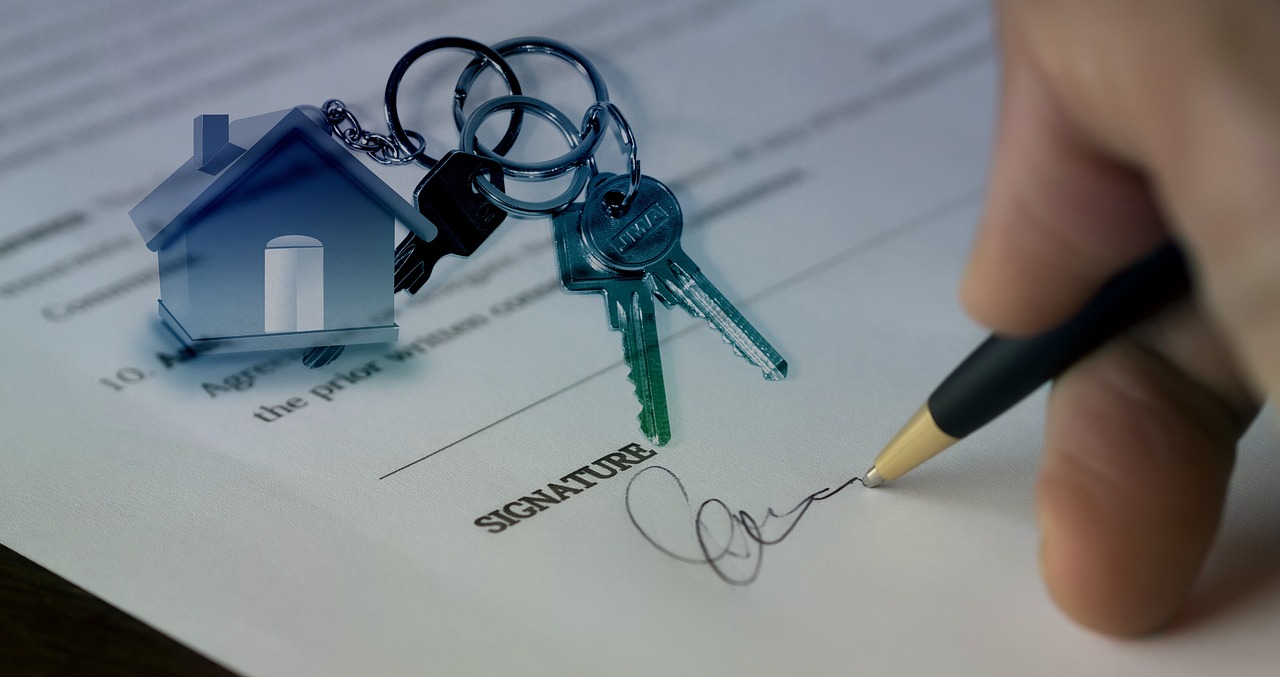
Once negotiations conclude successfully, it’s important to finalize the deal with due diligence. Review all contracts and agreements carefully, seeking legal counsel if necessary. Pay attention to key terms like lease duration, rent schedule, renewal options, and any contingencies agreed upon during negotiations. Before signing, it’s wise to verify that all understood terms align with the written contract. Clarifications should be made promptly to prevent future disputes or misunderstandings. Additionally, verifying zoning regulations and compliance with local laws becomes vital, as aspects like tenants’ business types can impact property value. Understanding your rights and responsibilities under the lease agreement protects against unforeseen challenges. After securing the lease, invest time in relationship-building with your landlord or property manager. This relationship can facilitate rapid issue resolution and updates regarding property conditions. Furthermore, establishing clear lines of communication helps the tenant-landlord dynamic thrive. Adapting to changes or challenges swiftly has a direct influence on your licensing process as a retail property investor. In conclusion, embracing thorough processes during closing contributes significantly to long-term success in retail real estate investments.
In the world of retail real estate investment, understanding negotiation principles is crucial. Throughout the process, from preparation to finalizing deals, fostering relationships and effectively communicating is essential. Strong negotiation skills not only enhance deal-making success but also create mutually beneficial outcomes for all parties involved. Adapting to various negotiation styles and nurturing rapport with brokers will offer significant advantages, ultimately opening doors to exclusive opportunities. A thorough approach empowers investors to be informed and adaptable, ready to navigate ever-evolving market conditions. Flexibility and creativity during negotiations can lead to innovative solutions that mitigate conflicts. Successful retail real estate deals hinge on maintaining focus on priorities while showing empathy toward the other party’s concerns. Strong relationships often lead to favorable outcomes, encouraging collaboration over confrontation. This strategy lays the foundation for sustainable investment success in the long term. Documenting agreements and understanding lease terms further reinforces your position and allows effective management of changing circumstances. As you explore retail property investment, keep effective negotiation strategies at the forefront of your approach, ensuring that each agreement ends with satisfaction. With the right skills, retail investment becomes a rewarding venture amidst financial success.