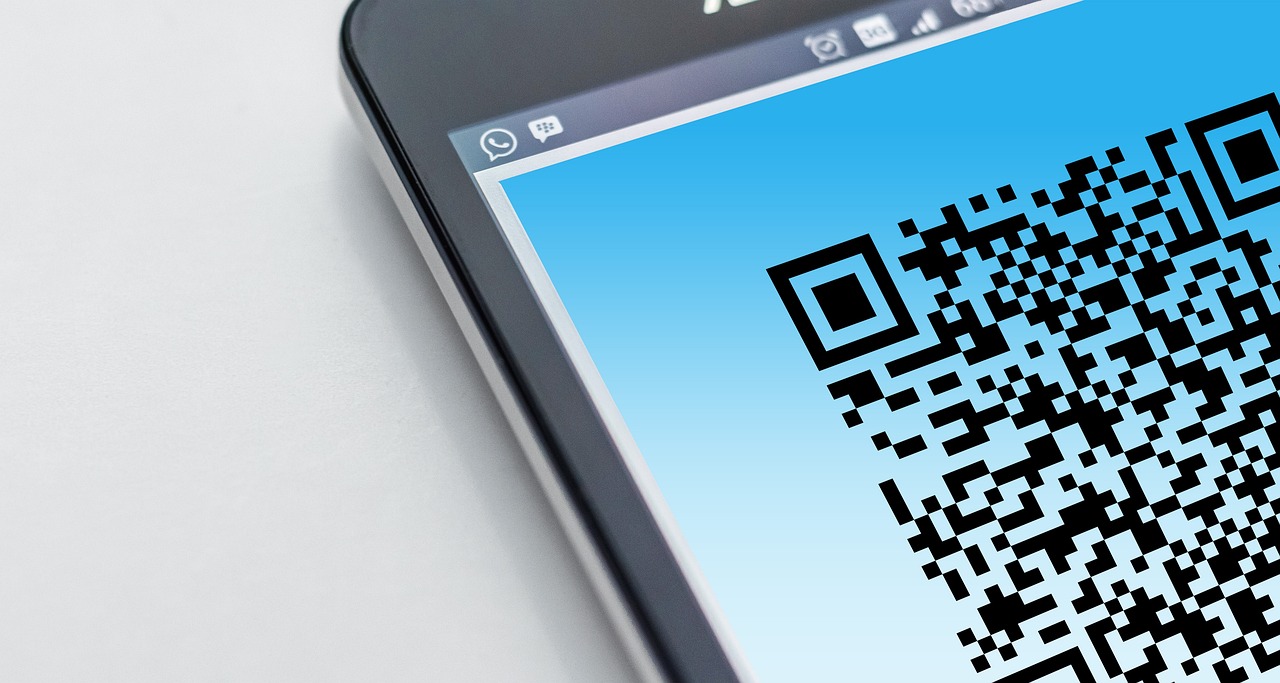

Using QR Codes to Bridge Offline and Online Marketing in Direct Mail
Direct mail campaigns remain a powerful tool for marketers seeking to engage consumers. However, in a world dominated by digital interactions, integrating online and offline strategies is crucial. A potent way to achieve this integration is by utilizing QR codes. QR codes provide a seamless connection, allowing recipients to engage with digital content directly through their smartphones. With direct mail, marketers can convey compelling offers while prompting immediate action, such as visiting a website or watching a video. When this technology is incorporated effectively, it not only enhances customer experience but also tracks engagement. QR codes can lead customers to tailored landing pages, social media profiles, or promotional videos. This allows businesses to analyze customer insights and optimize their strategies further. Moreover, including QR codes in direct mail amplifies the effectiveness of the campaign, providing measurable results that can contribute to refining future initiatives. Therefore, leveraging QR codes in direct mail campaigns is essential for marketers seeking clear ROI and innovative paths to connect with their target audiences.
The beauty of QR codes lies in their versatility and ease of use. Creating a QR code is relatively simple; businesses can easily generate them online and include these codes in their printed materials. A distinctive aspect of QR codes is that they can direct users to various online destinations, from special offers, newsletters, to feedback forms. This leads to enhanced consumer interaction as customers can engage at their convenience. Marketers should focus on clear calls to action, guiding users on what to do with the QR codes. For instance, including instructions such as “Scan to Claim Your Discount” increases user likelihood to interact. Additionally, integrating QR codes can give the impression of being cutting-edge technology, appealing particularly to younger demographics. More importantly, it allows brands to capture customer data through analytics tools on website visits or engagement with the QR code content. By leveraging those insights, companies can refine their offerings. Their marketing approaches can adapt based on consumer behavior and preferences gathered through direct mail campaigns that utilize QR codes effectively. The opportunities are dynamic, rich, and practically boundless.
In addition, direct mail’s tangible nature amplifies the effectiveness of QR codes. Unlike purely digital marketing efforts, a physical direct mail piece provides an opportunity to create a lasting impression with a less cluttered environment. This is particularly relevant today as consumers receive numerous digital communications, which can lead to message fatigue. As a contrast, a well-designed mailer with an appealing QR code can capture attention and invoke curiosity. Design elements should align with the brand’s identity, ensuring a harmonious customer journey from the mailer to the scanned digital experience. Strong visual placements for QR codes coupled with messaging can significantly increase scan rates, improving return on investment. Moreover, incorporating limited-time offers available through QR codes generates a sense of urgency among consumers. This method encourages quicker responses, thus driving quicker sales and increasing conversion rates. Additionally, as more consumers become accustomed to scanning codes, their efficacy continues to increase. Subsequently, this creates valuable opportunities for brands to differentiate themselves through engaging direct mail campaigns equipped with advanced technology like QR codes, enhancing overall marketing outcomes.
Tracking and Analyzing QR Code Campaign Performance
Another significant advantage is the ability to track consumer behavior through QR code engagement. Utilizing various analysis tools helps marketers monitor traffic generated from scanned codes, offering insights into customer preferences. This feedback is invaluable for refining marketing strategies and understanding what resonates most with the target audience. The data collected can reveal trends, such as which offers attracted the most engagement and which weren’t as successful. Such insights allow the reallocation of marketing resources toward more promising avenues. Also, marketers can experiment with A/B testing by using different QR codes for various segments to see which designs or offers yield higher engagement. Additionally, integrating QR codes with promotional campaigns can facilitate customer surveys, reducing gaps in feedback collection that digital interaction often encounters. Companies can gain rich insights into customer satisfaction levels and necessary improvements. The combination of direct mail and QR codes enables both qualitative and quantitative data gathering methods, making it easier than ever to tailor offerings to evolving consumer preferences and trends, thus ensuring a more dynamic marketing approach that corresponds to consumer demands.
Moreover, synchronizing the messaging across direct mail and the subsequent online experience is essential. Cohesion reinforces brand recognition and trust, increasing the likelihood of further engagement. It’s helpful to have consistent fonts, colors, and imagery that tie together online nodes and the physical mail piece. By maintaining consistency, brands create a seamless transition between the two worlds, enhancing user experience. This ensures users feel comfortable continuing interacting with the brand through multiple channels. Additionally, marketers should utilize this opportunity to educate consumers. By providing value-added content via the QR code, businesses can inform customers about product updates, news, or special events. This approach fosters a deeper connection and cultivates brand loyalty. Additionally, interactive features such as contests and feedback mechanisms available after scanning further encourage user engagement. Thereby, businesses leverage the additional online interaction to build a community around their brand. The integration of the QR code does not conclude with the interaction but opens a continuous dialogue with potential customers, extending relationships beyond the one-time contact initiated through direct mail offerings.
Best Practices for Utilizing QR Codes in Direct Mail
For businesses looking to maximize the effectiveness of QR codes in their direct mail campaigns, adhering to specific best practices is essential. First, ensure that QR codes are prominently displayed and easily scannable. This means no intricate graphics or clutter that distracts from the code’s clarity. Furthermore, an A/B approach, particularly for the code’s size and placement, can yield performance insights on the best positions to drive engagement. Additionally, test the codes ahead of distribution to confirm functionality across various smartphone models and operating systems. Marketers should also consider the scan environment. They can anticipate that consumers would be scanning codes from a mail piece while sitting at a desk or even at home, hence ensuring the design accommodates varying conditions. Another vital aspect is the necessity of leading the user to a mobile-optimized landing page. Since most will scan through their mobile devices, ensuring that the content is easily viewable becomes paramount. By implementing these straightforward strategies, businesses can effectively utilize QR codes to enhance their direct mail campaigns and boost customer engagement.
As businesses delve into the evolving landscape of marketing, the convergence of offline and online techniques will be vital. Sufficient understanding of how direct mail campaigns can be enhanced through QR codes empowers marketers to make informed decisions. QR codes foster a direct link to consumer interactions, bridging the experience between physical and digital realms. Furthermore, by integrating this technology into direct mail strategies, businesses can continuously adapt to consumer habits and preferences. Everything from design to analytics surrounding the utilization of QR codes informs overall strategies and encourages optimal engagement. Establishing a consistent reviewing process ensures continual updates. Marketers need to maintain awareness of trends in technology applications, understanding how QR code engagement can evolve along with consumer behavior changes. The ultimate goal is to create an interconnected experience for consumers, helping them navigate brand interactions fluidly. Hence, as technology advances, ensuring that direct mail campaigns remain relevant and effective in capturing consumer interest will be crucial for marketers. Without a doubt, QR codes have increasing potential, solidifying their role in the future of direct marketing.
The Future of Direct Mail Campaigns with QR Codes
In summary, the combination of direct mail campaigns with QR codes undoubtedly enhances marketing dynamics. As brands strive to innovate, integrating these codes offers not only immediate engagement incentives but also supports long-term relationship-building with customers. The future clearly holds promise as technologies continue to advance, shaping how businesses communicate with customers. The trends indicate a shift towards more personalized experiences, where direct mail plays an integral role. Utilizing QR codes effectively position brands in a favorable light as forward-thinking and tech-savvy. Additionally, businesses should remain attentive to new technologies to leverage in conjunction with QR codes. Identifying emerging platforms to enhance and complement existing efforts will ensure that marketing strategies evolve consistently. Understanding local market conditions and tailoring QR applications may lead to improved engagement and success. Therefore, the capacity of direct mail, allied with QR codes, presents a significant opportunity for brands to bridge the gap between offline and online marketing strategies and cater to a digitally savvy consumer base. As consumers become increasingly tech-oriented, those brands mastering this integration will stand out, fostering deeper connections with their audience.