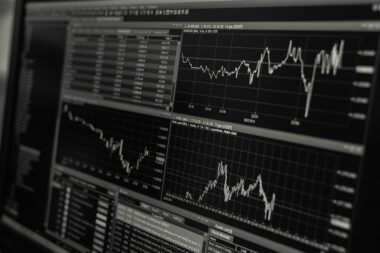

The Impact of Market Sentiment on Day Trading Decisions
Day trading is heavily influenced by market sentiment, which is the overall attitude of investors toward a particular security or financial market. This sentiment can sway the price of stocks significantly, creating opportunities and risks for day traders. The emotional reactions of investors due to news, economic indicators, or even social media can lead to volatile market conditions. Consequently, understanding market sentiment becomes essential for day traders aiming to make quick profits. Traders often utilize sentiment analysis to gauge public opinion and investor behavior. This analysis involves interpreting news headlines, social media activity, and even chart patterns. In day trading, capturing short-term price movements is key. Thus, integrating sentiment into strategies can result in more effective decision-making. Tools such as sentiment analysis indicators assist traders in synchronizing their trades with prevailing market moods. For instance, a surge in positive sentiment may prompt buying actions, while negative sentiment can trigger sell-offs. Moreover, experienced day traders can forecast potential market reversals based on sentiment shifts, enabling them to enter or exit trades more strategically.
While employing sentiment analysis, traders must combine it with technical and fundamental analysis for a well-rounded approach. Market sentiment can often contradict the underlying fundamentals of a security, creating potential pitfalls if relied upon exclusively. Day traders who focus solely on sentiment may miss crucial data that technical analysis can provide, such as support and resistance levels. Integrating multiple methodologies allows for a comprehensive strategy that balances emotional trends with objective data. Another vital aspect is recognizing that sentiment can vary across different markets, sectors, and even individual stocks. Traders should be vigilant about how sentiment fluctuates within their target stocks. Additionally, understanding trader psychology becomes paramount. Behavioral finance teaches that emotions like fear and greed heavily impact market dynamics. Consequently, recognizing these emotions in oneself and in fellow traders can help in predicting price movements. For instance, during a market rally, greed might drive prices higher, while during corrections, fear could lead to a rapid decline. Thus, adopting a dual focus on market sentiment and personal emotions enhances a day trader’s ability to navigate the complexity of the markets.
The Role of News and Social Media in Market Sentiment
News events and social media interactions are pivotal sources of market sentiment. Significant announcements, whether economic data, earnings reports, or geopolitical events, can dramatically influence investor perceptions. For example, an unexpected earnings beat can generate positive sentiment, leading to increased buying activity among day traders. Conversely, negative news can instigate panic selling. In this digital age, social media accelerates the spread of information, allowing traders to react swiftly to sentiment changes. Platforms like Twitter and Reddit often serve as real-time gauges of public opinion concerning particular stocks. The phenomenon of “meme stocks” illustrates the phenomenon where sentiments driven by social media shape market dynamics dramatically. Day traders adept at monitoring these platforms can seize opportunities created by rapid sentiment shifts. Nonetheless, reliance on social media for trading decisions should be approached with caution. Misinformation can propagate rapidly on these channels, creating volatile situations. Assessing credibility and verifying information is crucial. Moreover, discerning genuine sentiment from mere hype is essential for sustainable trading success. Therefore, a judicious combination of traditional news sources and social media insights can enhance trading strategies effectively.
Understanding how to interpret and act upon market sentiment can be further refined by engaging with trading communities. Many online forums provide resources for discussing strategies, sentiment analysis, and market predictions. By collaborating with other traders, one gains various perspectives on market sentiment. Additionally, using sentiment indices, which aggregate various indicators of market moods, can enhance decision-making processes. These indices serve as benchmarks for measuring overall investor confidence and potential market movements. Although sentiment indices can help support trading decisions, they are not foolproof due to the inherent unpredictability of the market. Achieving balance is necessary; none of the tools and indicators can guarantee success, they are but part of a broader toolkit. Experienced traders develop an intuition for sensing market sentiment, often based on years of observing patterns and behaviors. Pattern recognition in trading is essential; trends often repeat themselves, influenced by collective trader psychology. As traders become more attuned to such patterns, their trading decisions become more precise. Thus, continuous learning and adaptation are fundamental in mastering the art of day trading influenced by market sentiment.
Risk Management in Sentiment-Driven Trading
In the fast-paced world of day trading influenced by market sentiment, robust risk management strategies are necessary. The volatile nature of sentiment can lead to unpredictable swings in stock prices. Traders must set clear risk parameters to safeguard their investments and manage potential losses effectively. Utilizing stop-loss orders can protect against sudden market downturns, particularly when sentiment shifts abruptly. Furthermore, position sizing plays a vital role in risk management. Traders should determine the appropriate size of each trade according to their risk tolerance. For instance, investing a small percentage of capital in high-sentiment trades can minimize exposure while still allowing for significant profit potential. Developing a well-defined trading plan that outlines entry and exit points based on sentiment analysis can streamline trading decisions. Additionally, regular evaluation of trading performances helps traders become more aware of their emotional responses and can identify areas for improvement. Keeping a trading journal can aid in this reflection process, documenting both successful and unsuccessful trades influenced by sentiment. By learning from past experiences, traders can refine their strategies and enhance their overall trading performance considerably.
Moreover, understanding correlation between multiple assets based on sentiment can further bolster risk management. When market sentiment is shifting, traders can observe correlations between different sectors and asset classes, evaluating how these sentiments impact their trading decisions. For instance, if negative sentiment arises in a key industry, it might affect interconnected sectors. Thus, diversifying trades ensures that exposure to any single sentiment-driven downturn is reduced. Effective communication with fellow traders also helps in gaining insights into market sentiment. Sharing analysis and charts can provide new ideas and elevate overall trading knowledge. Additionally, establishing predefined trading rules can eliminate impulsive decisions influenced by temporary sentiment spikes. Relying on empirical data rather than emotions cultivates disciplined trading behavior. Awareness of overtrading, which can arise from emotional responses to market sentiment, is critical; it can lead to devastating losses. Thus, establishing clear trading goals and sticking to a plan that minimizes emotional decision-making helps traders focus on the big picture and promotes long-term success in the competitive arena of day trading.
Conclusion: Mastering Market Sentiment for Day Trading Success
Mastering market sentiment is indispensable for day trading success. By integrating sentiment analysis into a trader’s approach, individuals can develop a more nuanced understanding of how emotions shape market behaviors. Maintaining awareness of how external factors influence sentiment enables traders to react promptly to market fluctuations. Achieving success as a day trader requires continuous learning and adaptability. As market conditions shift, traders must remain flexible in their strategies to incorporate new insights derived from sentiment analysis. Relying solely on past experiences without adapting to shifting sentiments can lead to missed opportunities. Thus, diligence in staying informed about both technical and emotional aspects facilitates more informed trading decisions. The symbiotic relationship between market sentiment, technical analysis, and sound trading psychology defines the path toward mastery in day trading. Building a resilient mindset aids in navigating the psychological challenges that accompany trading activities. Furthermore, focusing on long-term goals while effectively managing short-term risks is essential. Ultimately, recognizing and mastering market sentiment empowers day traders to enhance their decision-making process, yielding more consistent, favorable results in an ever-evolving market landscape.
This insightful understanding about market sentiment forms the groundwork for achieving further success as a day trader. Management of emotions, profit-taking strategies, thoughtful analysis of the prevailing market mood, and tactical implementations will substantively raise the level of effectiveness in trading. Therefore, day traders who invest time in understanding these dynamics will not only improve their trading accuracy but will also develop resilience in the face of market unpredictability.