
Understanding Insurance Planning for Valuables and Collectibles
Insurance planning for valuables and collectibles is essential for protecting your investments. These items often carry significant emotional value, thus necessitating tailored insurance solutions. Valuables might include heirlooms, jewelry, art collections, and collectibles, each of which requires meticulous inventory management. Ensuring their coverage starts with proper documentation, including appraisals and photographs. Working with professionals can provide peace of mind, helping you navigate the complexities of insuring unique items. Moreover, understanding different policy types, such as riders and endorsements, can significantly impact coverage adequacy. Always revisit your policy periodically, especially when acquiring new items or changing their market value. Addressing factors like replacement cost versus actual cash value can also enhance understanding. Additionally, engaging with insurers about specific conditions around weather, theft, or accidental loss can tailor policies further. Conduct periodic appraisals to ensure that coverage remains sufficient over time. Taking these proactive steps significantly enhances the protection of cherished valuables and collectibles. Ultimately, effective insurance planning safeguards against unforeseen risks while preserving personal treasures for future generations.
One important aspect of insuring valuables and collectibles is understanding their market valuation. Collectibles, in particular, fluctuate in value based on supply, demand, and market trends. Regular appraisals help maintain accurate coverage levels and can reveal unexpected value increases. Familiarize yourself with the various pricing sources like auction houses or professional appraisers to gain insights. Certain insurance policies provide ‘scheduled coverage’ for specific high-value items. These policies list each item distinctly, ensuring it has dedicated coverage. This is essential for well-loved family heirlooms that may not be adequately protected under standard homeowners’ policies. Establishing a good relationship with a trusted insurance broker can significantly streamline the process of insuring these unique possessions. Brokers often have connections with specialized insurers familiar with the nuances of these items. Additionally, they understand your personal circumstances better, helping you find customized solutions. Whether insuring vintage toys or fine art, expert advice can navigate the complexities involved efficiently. Furthermore, understanding deductible amounts and claims processes can save you time and frustration down the line. Overall, being informed empowers you to make better insurance decisions regarding valuables and collectibles.
The Importance of Documentation
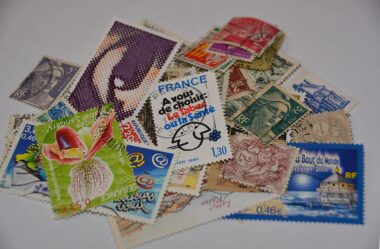
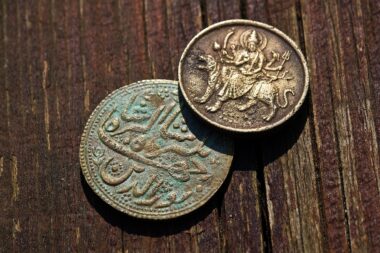
An essential step in the insurance planning process involves thorough documentation of your valuables and collectibles. Proper documentation strengthens your claims during adverse circumstances and ensures correct billing by your insurer. Create a comprehensive inventory list, detailing each item, including its age and acquisition details. Photographs from multiple angles can provide clear evidence of condition and authenticity. Keep appraisals updated, and acquire documentation that conveys historical importance or provenance. This documentation must be stored securely, preferably in both physical and digital formats. Consider fireproof safes or cloud storage for added security against theft or damage. If you carry a significant jewelry collection, appraisals every two to five years can help track increases in value. Collectibles like stamps or coins might need more frequent evaluations based on collector interests. When policies renew, refer to your documentation to ensure insurer awareness of any changes reflecting increased value. Additionally, maintaining receipts for purchases can aid in the claim process, serving as proof of ownership. Staying organized and diligent about documentation ultimately preserves your peace of mind and enhances the protection of beloved items.
To gain maximum coverage over collectibles, understanding specific policy language can make a significant difference. Many standard homeowners’ policies include limited coverage for collectibles. They typically provide low coverage limits, leaving owners at risk for substantial losses. Therefore, securing additional policies or endorsements is often necessary. Specialty insurers cater specifically to collectibles and offer comprehensive ranges that adjust to fluctuating market values. Discuss your items with potential insurers, clarifying what is and isn’t covered. Furthermore, evaluate exclusions diligently, noting specific circumstances that may affect claims, such as loss or damage during transport. For instance, if you travel with art, ensure coverage during transit is included in your policy. Awareness of claim processes is equally important, especially understanding proper documentation required when filing a claim. Filing promptly upon incidents can expedite recovery times. Similarly, familiarize yourself with the time frames insurers allow for claims once filed. Involving knowledgeable agents can provide guidance throughout this potentially confusing experience. Overall, a clear understanding of your coverage plan ensures that your valuables and collectibles remain protected under any circumstances, offering a sense of security in ownership.
Common Mistakes to Avoid
As you navigate the world of insuring valuables and collectibles, certain common mistakes should be avoided. First, underestimating the value of your items is a frequent error that can lead to severe financial loss. When assessing value, consider sentimental aspects and how they could equate to monetary value. Additionally, neglecting to update your insurance policy as you purchase new items can create gaps in coverage. Even small acquisitions should be documented, irrespective of their perceived value. Another mistake involves overlooking specific risks associated with certain collectibles. For instance, fine art may have unique risks compared to vintage toys or coins. Failing to address climate-related hazards, such as humidity for art pieces, can damage their integrity over time—this should be clarified with your insurer. Lastly, don’t assume that all policies provide the same level of service, cover the same concerns, or cater to equally unique aspects of collectibles. Researching and comparing various insurers allows you to find a policy ideally suited to your needs. Avoiding these common pitfalls helps streamline your insurance planning process, safeguarding your valuable collections.
The claims process can often feel daunting, especially when an unfortunate event occurs. It is important to approach it methodically to ensure a satisfactory resolution. When faced with a loss, the first step involves promptly notifying your insurer about the incident. Allow clear communication detailing the nature of the loss, the items affected, and their estimated value. Leveraging your detailed documentation is crucial at this stage, as it serves as evidence supporting your claim. In addition to your inventory, any photographs or appraisals you collected earlier will be invaluable. After notifying your insurer, they may send an adjuster to evaluate the loss. Being prepared to answer questions and provide additional documentation may speed up the process. If the claim is approved, familiarize yourself with how the compensation will be calculated, especially regarding conditions present in the policy. In cases of dispute, reviewing the policy terms with your broker might clarify interpretations and next steps. Following these guidelines will help navigate the claims process effectively. Moreover, understanding your insurance policy will empower you to seek the right compensation after a loss, supporting your recovery and future planning efforts.
Conclusion: Keeping It Secure
In summary, understanding insurance planning for valuables and collectibles is critical in today’s environment. Properly accommodating these items not only protects against unforeseen events but also nurtures the emotional and financial investment they represent. Adopting a proactive approach through comprehensive documentation, regular appraisals, and adequate policy management ensures items are kept secure while adapting to market realities. Always maintain clear communication with your insurer about personal circumstances and significant changes. This establishes clarity regarding coverage responsibilities and aids in making informed decisions throughout the process. Consulting expert professionals is indispensable; they provide valuable insights and prevent potential pitfalls inherent in insuring unique items. As practices continually evolve, staying educated about the nuances of insuring collectibles is essential for maintaining their value. Finally, the right insurance approach establishes peace of mind, allowing owners to enjoy their items without worry. Striving to protect cherished possessions with adequate planning ensures these treasures can be appreciated for generations to come. Ultimately, the goal is a secure future where everyday items can hold a special place, safeguarded against uncertainties, and cherished as part of family legacies.
Through careful planning, inclusive of appropriate documentation and targeted policy options, every owner can find avenues to secure their collectibles. This strategic focus on insurance planning leads to a more enjoyable experience in owning and curating these valuable items. Each challenge in the process ennobles the ownership of unique items. Efforts put into ensuring adequate coverage make your valuable items an expression of passion and dedication to artful collections. As new collectibles are acquired, implementing best practices ensures insurance policies adapt seamlessly. This ongoing journey not only secures assets financially but allows owners to thrive in cultivating their interests in rewarding ways. By continually assessing a collection’s worth and revising insurance plans, owners can take confident strides into the future. Adopting a systematic approach fosters a sense of accomplishment, while bolstering long-term security for treasured possessions. Items not only resonate but reflect the ownership journey itself and the pride taken in maintaining their value. Sharing these principles with fellow collectors or family ensures that everyone shares in the understanding and respect for the care of valuables. Through sharing this knowledge, communities can come together to foster a safe and supportive environment for all collectors.