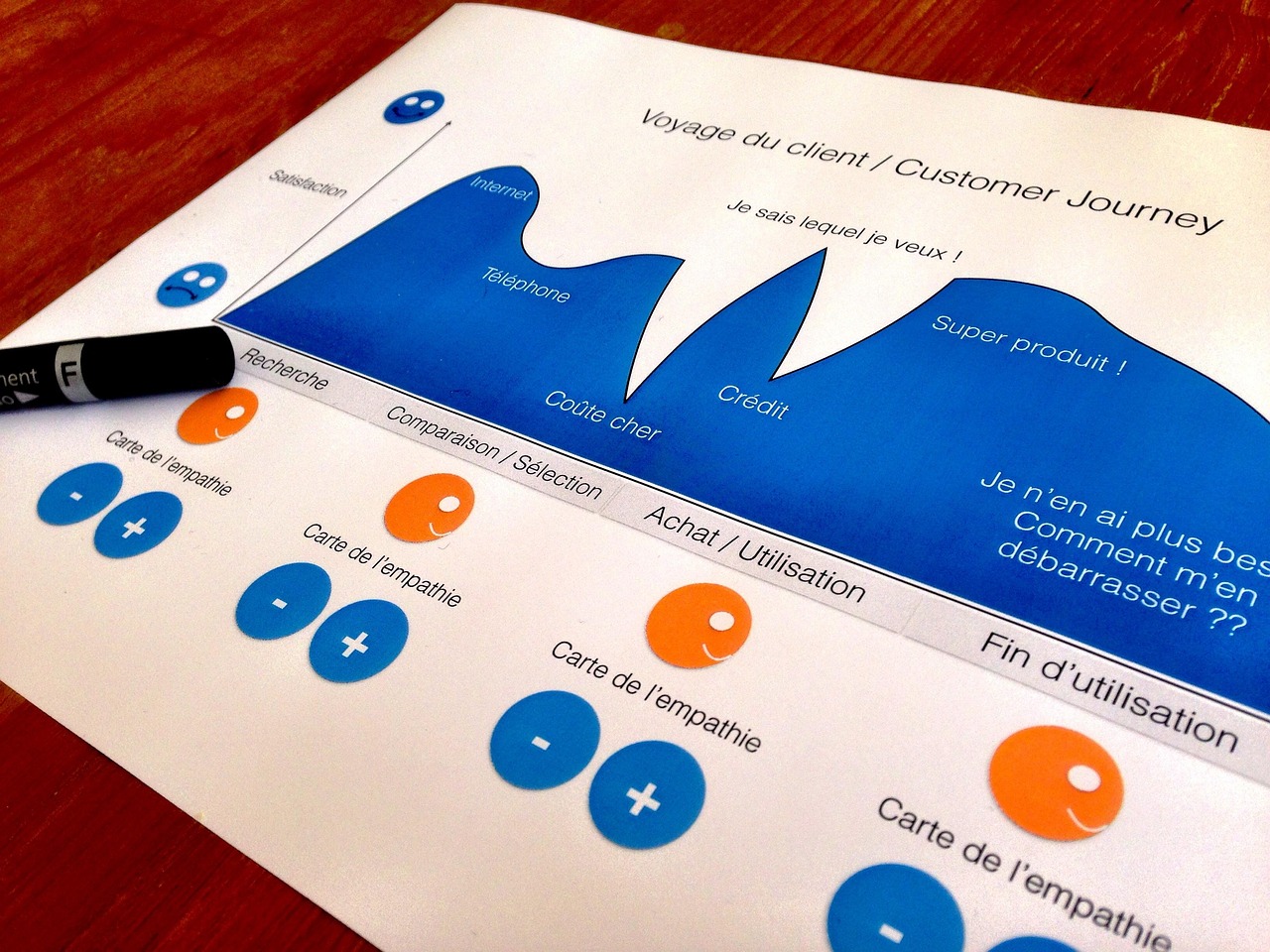

Customer Journey Mapping in Finance
Customer journey mapping is pivotal in both B2B and B2C finance marketing. It involves visualizing the process customers take when interacting with financial services. In B2B settings, the journey is often complex, involving multiple stakeholders, decision-making processes, and longer sales cycles. Each touchpoint must be carefully considered, as businesses usually prioritize relationships over transactions. In contrast, B2C finance marketing often focuses on individual consumers. Here, the journey might be streamlined, emphasizing user experience and emotional engagement. Understanding how these journeys differ can significantly impact marketing strategies. By tailoring approaches to these distinct segments, businesses can enhance customer satisfaction while improving conversion rates. Tools used in mapping include software, customer feedback, and analytics. Visual representations help identify pain points and opportunities for better engagement. Engaging with customers throughout each phase ensures their needs and expectations are met effectively. Ultimately, effective customer journey mapping can create a competitive edge in the finance sector, allowing providers to develop services that resonate deeply with both business and individual clients. This deep understanding is essential for creating targeted campaigns, enhancing brand loyalty, and facilitating better overall service delivery.
Understanding B2B Customer Journeys
The B2B customer journey is intricate and may evolve over time. Businesses often engage with various touchpoints, necessitating comprehensive mapping of these stages. Each step must account for stakeholder involvement, as each decision-maker influences the buying process. In finance marketing, providing useful content is crucial for nurturing leads. This can involve educational articles, whitepapers, and case studies that align with their specific needs. Furthermore, account managers play a vital role in guiding the customer through the journey, ensuring that expectations are exceeded. Relationships built through frequent and personalized communication often dictate success in B2B environments. It is essential to utilize analytics to gauge engagement and refine marketing strategies. By understanding which content resonates most with target audiences, finance marketers can enhance their messaging. Personalization becomes a driving force in B2B finance. Leveraging data-driven insights enables businesses to customize experiences for individual clients, making their journey smoother and more engaging. Thus, mapping each stage can help in designing bespoke solutions that fit each client’s unique challenges. Ultimately, successful B2B journeys significantly impact relationships, leading to better customer retention and growth for finance companies.
Exploring B2C Customer Experiences
In B2C finance marketing, the customer journey is typically more straightforward, focusing on direct communication and immediate benefits. Understanding the customer experience is essential for businesses aiming to attract individual consumers. Especially in finance, where trust is paramount, effective marketing strategies ensure customer emotions are engaged positively through tailored content. The journey usually begins with awareness, where potential customers are first introduced to services via targeted ads or recommendations. Once interest is piqued, encouraging easy navigation through available options is crucial. A seamless experience, from initial inquiry to service completion, can make a huge difference in conversion. Furthermore, follow-up communications play a vital role in nurturing potential clients in B2C marketing. Engaging customers post-purchase increases the likelihood of repeat business and referrals. Encouraging testimonials and reviews can build credibility and trust. An effective B2C journey emphasizes user-friendly platforms for transactions, detailed FAQs, and strong customer support. This way, customers feel supported throughout their financial decisions. Ultimately, understanding the nuances of B2C customer journeys can lead to customer-focused solutions that foster loyalty and satisfaction, ensuring long-term success.
Comparing B2B and B2C Approaches
While B2B and B2C finance marketing share some similarities, their strategies differ significantly in execution. B2B focuses on building long-lasting relationships with clients through personalized touchpoints and nurturing through educational content. In this environment, trust and authority are paramount as businesses aim to establish credibility and showcase expertise. However, B2C marketing primarily emphasizes transaction speed and consumer satisfaction. Marketers must use emotional triggers to appeal to individual customers rapidly. Analytics indicate that while B2B customers might take time to make decisions, B2C clients often act quickly, especially when motivated by promotional offers. For B2B, mapping the journey involves understanding complex decision-making processes and stakeholder dynamics within organizations. Conversely, B2C journeys center more on defining consumer needs and immediate benefits. Therefore, finance marketing executors should segment their strategies accordingly. This might include offering personalized content for businesses while leveraging promotional campaigns targeting individual consumers. Understandably, failure to adapt approaches can hinder performance. Effectively comparing these methods can guide finance marketers in developing appropriately tailored strategies that resonate with various customer types, thus optimizing engagement and growth opportunities.
Tools and Techniques in Mapping
The methodologies used for mapping customer journeys vary considerably between B2B and B2C finance marketing. A variety of tools are available to help visualize and analyze customer paths. Popular platforms include customer relationship management (CRM) software and specialized journey-mapping tools. Utilizing these tools allows businesses to gather insights on consumer behavior, identify key touchpoints, and discern pain points across the journey. In B2B scenarios, leveraging data from multiple stakeholders can enhance understanding, whereas B2C strategies may rely more on individual consumer trends. Additionally, employing analytics tools enables continuous monitoring of customer interactions. Continuous feedback mechanisms ensure the marketing strategies evolve, stay relevant, and address emerging trends. Moreover, conducting customer surveys and focus groups offers important qualitative insights regarding experiences and perceptions. It is essential to analyze both quantitative and qualitative data holistically for a complete view of customer sentiments. Furthermore, mapping workshops and collaborative sessions encourage teams to share experiences, thus enriching the process. By integrating diverse data and engaging team members throughout mapping endeavors, finance marketers can produce highly effective customer journey maps that drive strategic decision-making.
The Role of Feedback in Journey Mapping
Feedback is crucial in evolving the understanding of customer journeys in both B2B and B2C finance contexts. Continuous input helps identify gaps and areas needing improvement, allowing marketers to adapt strategies proactively. In B2B markets, asking stakeholders for their opinions can uncover insights about engagement. This feedback can inform changes to product offerings or service delivery models that may require enhancements. In B2C environments, collecting customer feedback through surveys, social media interactions, and post-purchase reviews can reveal emotional drivers. Understanding these motivations helps personalize marketing messages that resonate with target audiences effectively. Furthermore, utilizing Net Promoter Scores (NPS) provides measurable insights into customer loyalty and satisfaction. Regularly engaging customers for their perspectives fosters loyalty and trust in both segments. Transparency in addressing customer suggestions encourages further feedback, leading to more refined journeys. Finance marketers must create channels where feedback is solicited and valued. Consequently, integrating this feedback into journey mapping ensures that evolving customer expectations are continually addressed. By prioritizing customer input, finance companies can remain competitive, stay relevant, and forge deeper connections with their audience, thus driving overall success.
Conclusion and Future Directions
In summary, understanding customer journey mapping in both B2B and B2C finance marketing is crucial for success. Each segment presents unique challenges and offers opportunities for tailored strategies that enhance customer relationships. As financial services evolve, the need for personalized journeys increases dramatically. This evolution requires marketers to continually adapt their approaches based on insights gained from mapping coupled with user feedback. Future developments in technology, such as AI and machine learning, could further refine these processes, allowing for unprecedented levels of personalization. Businesses must remain proactive, utilizing advanced analytics to anticipate customer needs effectively. Continuing to explore trends in customer behavior will ensure finance marketers stay agile and responsive. By leveraging journey mapping as a strategic tool, marketers can create compelling experiences that resonate with audiences. Therefore, finance marketing strategies should focus on fostering genuine connections with both businesses and individual consumers. Investing in customer journey mapping can lead to improved retention, satisfaction, and ultimately increased profitability. The landscape will always be evolving, and adopting a forward-thinking mindset is crucial for finance brands looking to thrive in the competitive market.