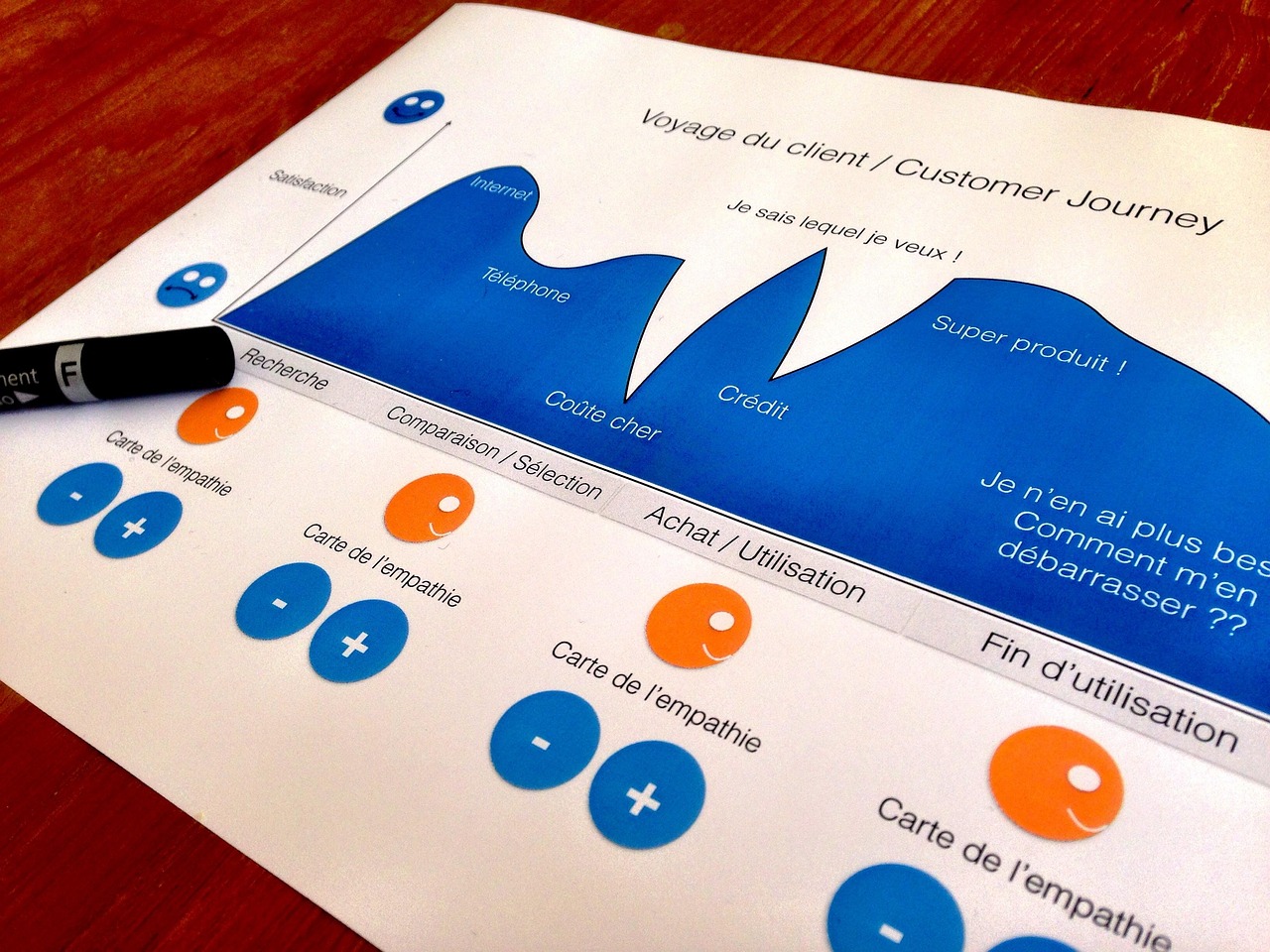

Optimizing the Customer Onboarding Journey in Financial Product Marketing
The customer onboarding journey in financial product marketing plays a crucial role in ensuring customer satisfaction and retention. A seamless onboarding process sets the stage for successful long-term relationships. Understanding your customers’ needs is paramount. Financial institutions need to emphasize comprehensible communication tailored to their audience. This reduces confusion and builds trust, especially for new clients unfamiliar with financial products. Utilizing various communication channels, such as emails, video tutorials, and in-app messaging, will help meet customer preferences. By implementing an accessible onboarding platform, you enhance the user experience, allowing customers to navigate the onboarding process easily. Furthermore, incorporating personalized content can significantly improve engagement rates. When customers feel that the service is tailored to their specific needs, they are more likely to remain loyal. Providing ongoing support is essential in this journey. Ensure that there are clear resources readily available for customers, addressing common queries and concerns. This ongoing interaction keeps customers informed and involved, which can enhance their positive perception of the brand. Adopting a feedback mechanism can significantly refine the onboarding process, leading to continuous improvement and adaptation to customer expectations.
A structured onboarding program is pivotal for addressing customer pain points. Identifying these pain points early can lead to proactive solutions that enhance satisfaction and retention. Onboarding might involve various steps, including identity verification, product selection, and account setup. How you present these steps impacts the overall experience. Creating a checklist or a visual roadmap can guide customers effectively through the process. Moreover, utilizing gamification techniques can engage customers throughout their onboarding. By rewarding them with badges for completing sections, you create an enjoyable experience. It transforms what could be a tedious process into an interactive journey. Regular follow-ups after onboarding are necessary to ensure that customers can effectively use their chosen financial products. This encourages them to ask questions or raise concerns as they emerge. It’s important to showcase additional features or services that could benefit customers based on their initial choices. This promotes upselling and cross-selling opportunities, enhancing overall customer value. An effective onboarding program should also be data-driven, analyzing metrics like completion rates and customer satisfaction levels. By monitoring this data, financial institutions can make informed decisions to optimize and evolve their onboarding strategies over time.
Leveraging Technology in Onboarding Processes
Modern technology provides numerous tools to enhance the customer onboarding journey. Utilizing customer relationship management (CRM) systems can allow financial institutions to track interactions, preferences, and behaviors. This data can help personalize communication and onboarding experiences. Moreover, employing chatbots can instantly address customer queries, significantly assisting in real-time support. These AI-driven solutions can reduce response times and improve overall customer satisfaction. Additionally, integrating self-service options can empower customers to complete onboarding steps without needing extensive external assistance. This approach can be particularly beneficial for tech-savvy clients who prefer autonomy in managing their accounts. Furthermore, video-based tutorials can offer practical guidance, easing customers into using new financial products. Clients often find visual content more engaging and easier to follow than traditional documentation. Another avenue is mobile onboarding, allowing customers to complete their setup conveniently from any device. Emphasizing a mobile-friendly experience can attract a wider audience base while aligning with contemporary consumer preferences. Regularly assessing the technology used ensures it stays relevant and continues to meet evolving customer expectations, leading to a more effective onboarding process overall.
Incorporating a data-driven approach is essential for refining customer onboarding processes continuously. By analyzing completion rates, user feedback, and interaction metrics, businesses can pinpoint specific areas that require improvement. This data-driven insight allows financial institutions to adapt their onboarding processes more effectively to match customer preferences. Moreover, segmenting customers based on demographics or behaviors can lead to more targeted onboarding experiences. For example, younger clients may favor interactive features like app tutorials, while older clients may appreciate more straightforward instruction. Personalizing the onboarding experience can help accommodate diverse customer needs and preferences. Providing concise and relevant information instead of overwhelming clients with all available options at once can improve retention rates. Additionally, adapting content based on user behavior can create a sense of engagement and relevance. Establishing key performance indicators (KPIs) for the onboarding process can provide an additional layer of analysis. KPI metrics such as time to complete onboarding, customer satisfaction scores, and retention rates are indispensable in measuring success. A regular review process ensures that the strategies implemented are yielding the desired results, allowing continuous progression toward a more efficient onboarding journey.
The Role of Training and Support
Providing robust training and support for customers is integral to optimizing the onboarding journey. This support should extend beyond the initial phase, fostering ongoing relations and customer loyalty. Moreover, creating comprehensive knowledge bases or FAQ sections can empower customers to find answers independently, thus enhancing their confidence in navigating financial products. Additionally, incorporating a mentorship component within the onboarding program can lead to greater customer satisfaction. Pairing new clients with seasoned representatives can help ease their transition and provide personalized guidance. In this way, institutions can build communities around their services, encouraging dialogue and learning. As new features or updates are introduced, hosting regular webinars or Q&A sessions can keep clients informed and engaged. This not only helps in clarifying doubts but also allows customers to voice their concerns and provide feedback. Proactively addressing customer feedback can further improve the onboarding experience. Institutions need to be responsive and adapt to these insights continually. The goal is to cultivate a seamless onboarding experience that continually evolves, ensuring your product remains relevant and valuable to customers as their needs change over time.
In conclusion, optimizing the customer onboarding journey is crucial for successful financial product marketing. A well-designed onboarding process can significantly enhance customer satisfaction and retention rates. To achieve this, financial institutions should understand customer needs and preferences by implementing user-friendly processes and effective communication strategies. Leveraging technology, such as CRM systems and chatbots while offering video-based tutorials, can streamline the onboarding journey. Monitoring key performance indicators and utilizing customer feedback mechanisms will foster continuous improvement. Furthermore, ensuring ongoing support and training will cultivate a strong relationship between clients and institutions. As consumers evolve in their use of technology and financial products, adapting onboarding strategies becomes essential to maintaining competitiveness. Developing a comprehensive analysis of customer pain points throughout their onboarding experience can also drive better outcomes. Ultimately, prioritizing customer experience leads to a more engaged clientele, encouraging long-term loyalty. Implementing these best practices will allow financial institutions to present themselves as reliable partners in their clients’ financial journeys. An effective onboarding process will not only attract new customers but also ensure that they remain satisfied and informed throughout their relationship with the brand.
Looking to the future, ongoing adaptation is key to successful customer onboarding. Financial institutions should stay current with technological advancements and emerging trends. Investing in innovative solutions can set a company apart from its competitors in this constantly evolving landscape. Gathering insights from customer interactions can inform products and services, tailoring them to align closely with individual preferences. Additionally, enhancing mobile accessibility, creating personalized experiences, and incorporating social media channels can further engage customers in real-time interactions. Learning from industry leaders can provide inspiration for refining your processes and creating a more seamless onboarding experience. Regular training sessions can ensure staff is well-equipped to support customers effectively. This will lead to increased confidence among team members when assisting clients through the onboarding process. Adopting an agile approach in the implementation of onboarding strategies will allow quick adjustments in response to market changes or customer needs. Ultimately, the goal is to deliver a memorable onboarding journey that maintains customer enthusiasm and satisfaction. Clients who feel valued and understood will be more likely to recommend your services to others, driving organic growth and prosperity for the institution.
By giving importance to the customer onboarding process, financial institutions can create a competitive edge in the marketplace. A focus on optimization not only promotes customer retention but also transforms the reputation of the business in the eyes of its clients. In the financial sector, where trust is paramount, establishing a transparent and efficient onboarding journey can be the key to success. Additionally, banking on education empowers customers, fostering a sense of ownership and responsibility. By teaching clients how to use products effectively while highlighting features and benefits, institutions reinforce their value proposition. In this respect, guiding customers through each step of the onboarding process can alleviate apprehension, creating a positive emotional connection to the brand. Integrating feedback loops into the journey encourages active participation from customers, further personalizing the process. This synergy between financial institutions and their clients strengthens relationships, providing opportunities for growth, innovation, and success. As your institution continues to refine its onboarding strategies and adapt to customer insights, the potential for enhancing brand loyalty and satisfaction increases exponentially. This continuous endeavor contributes to a sustainable business model that endures in the competitive landscape of financial product marketing.