
Role of Big Data in Quantitative Financial Analysis
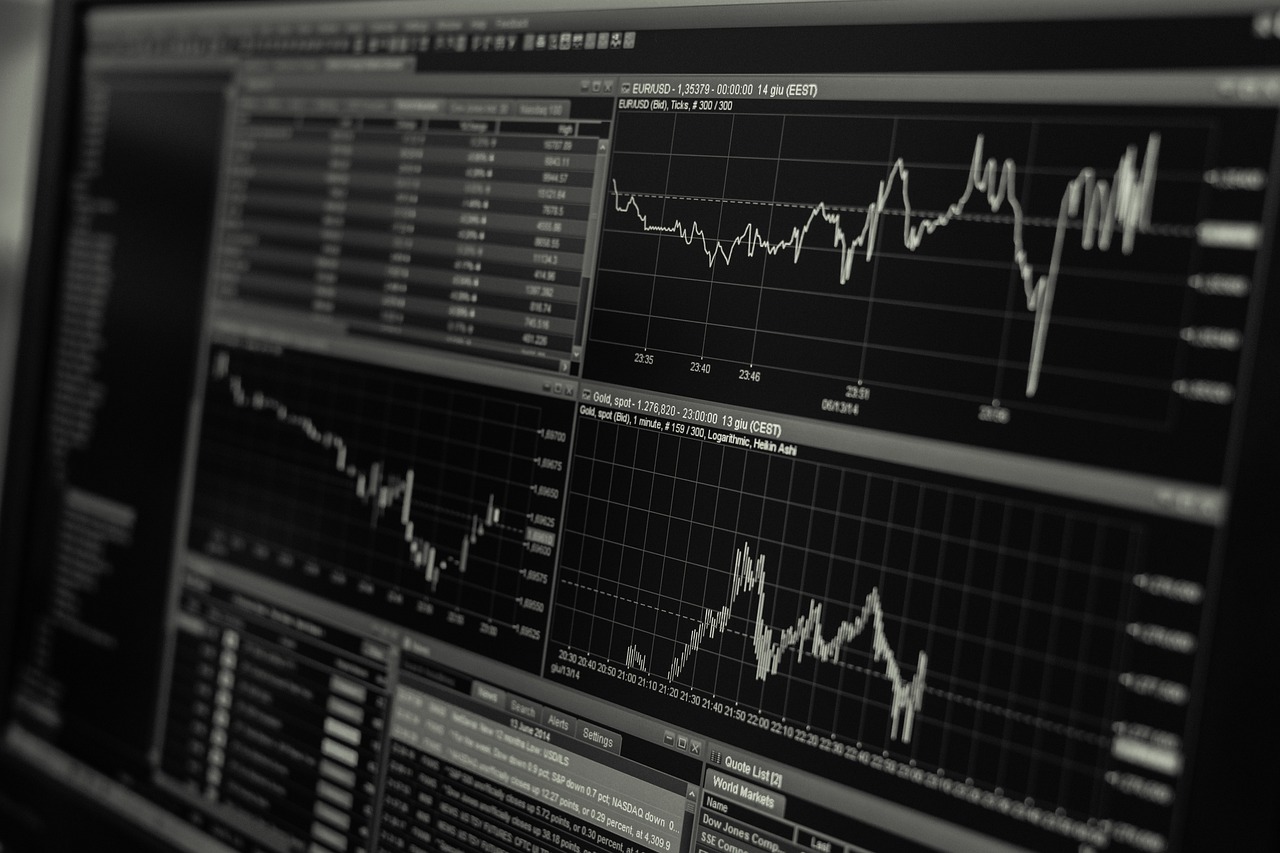
Quantitative trading relies heavily on the application of advanced analytics and algorithms to make informed decisions in financial markets. One fundamental aspect fueling this method is big data. The utilization of diverse and extensive datasets allows traders to uncover patterns that traditional analysis might overlook. This integration translates to faster and more efficient trading strategies that react to market changes promptly. Data sources vary widely, including social media sentiment, economic indicators, and historical price data, forming a comprehensive view of market dynamics. Each data point contributes to a deeper understanding of asset movements. Furthermore, big data analytics facilitates back-testing of trading strategies using historical data. It helps quantify different approaches in various market conditions, allowing traders to optimize their strategies before actual execution. This approach not only increases profitability but also helps in risk management by devising strategies that limit potential losses. Furthermore, the evolving technology landscape continues to enhance the way traders gather and analyze data, making quantitative trading more sophisticated and effective. Thus, big data plays a crucial role in shaping the future of quantitative finance.
Impact of Big Data on Trading Strategies
Trading strategies today leverage big data to refine their decision-making processes significantly. By integrating information from diverse sources, traders can identify market opportunities proactively. This proactive approach enhances the appropriateness of trades, maximizing profitability. For instance, algorithms can analyze real-time data streams, including news headlines and economic releases. These signals often impact market sentiment and price movements. When combined with technical indicators, the analysis becomes extremely powerful. However, implementing these sophisticated strategies requires advanced computational power and quick execution. High-frequency trading, for example, showcases how big data impacts trading strategies in real time. Traders execute numerous trades within fractions of a second based on algorithmic assessments of market conditions and trends. The ability to process and analyze vast datasets is critical in such environments. Tools such as machine learning and artificial intelligence enhance predictive analytics, offering deeper insights. This technology helps foresee potential market trends, allowing traders to position themselves effectively. Hence, the importance of big data cannot be overstated in the context of developing advanced trading strategies.
Moreover, big data brings significant changes in risk management practices within quantitative trading. Traditionally, traders used historical volatility measures as the primary risk assessment tool. However, big data expands the landscape by introducing numerous risk factors that can influence asset prices. Utilizing comprehensive data enables traders to develop sophisticated risk models that factor in various external variables. This enhanced approach allows for a more accurate assessment of potential risks. Additionally, monitoring real-time data enhances the ability to react swiftly to emerging market threats. Predictive modeling techniques that include big data facilitate insights into not only potential profit areas but also possible drawdowns. In developing risk management tools, using alternative data sources, such as social media sentiment, can provide additional layers of insight. Understanding investor sentiment often serves as an indicator of future market movements. Consequently, the integration of big data into risk management empowers quantitative traders to make informed decisions that align risk tolerance with profit goals, ensuring a strategic balance. Overall, this transition is essential in maintaining a competitive edge in the fast-evolving trading environment.
Challenges of Implementing Big Data
While the advantages of big data in quantitative trading are profound, there are significant challenges associated with its implementation. One primary challenge is ensuring data quality. With big data coming from diverse sources, maintaining accuracy and consistency becomes a critical hurdle. Inaccurate data can lead to misguided analyses and ultimately result in financial losses. Additionally, the sheer volume of data poses another challenge. Traders often must sift through enormous amounts of information, identifying what is relevant to their strategies. This requires sophisticated tools and expertise that can be a barrier, especially for smaller trading firms. Moreover, regulatory compliance adds another layer of complexity. Financial institutions must ensure that their data practices meet compliance regulations, which can vary by region. As the market landscape evolves, these regulations also adapt, necessitating ongoing updates to trading practices. Finally, integrating new technologies may involve substantial financial investments. Therefore, firms need to weigh the costs against potential returns carefully. Addressing these challenges is pivotal for effectively leveraging big data in quantitative trading to maximize advantages and minimize risks.
Big data also facilitates enhanced collaboration within quantitative trading teams. The integration of diverse data sources allows for cross-functional teams to work together, combining insights from various disciplines. For example, collaboration among data scientists, quantitative analysts, and traders enhances the overall trading strategy development process. Each member brings unique expertise that can significantly improve the decision-making process. By fostering a culture of collaboration, firms can more effectively share insights gleaned from vast datasets, leading to more informed trading strategies. Furthermore, collaborative tools powered by data visualization can elevate communication among team members. Clear visual representations of data help to elucidate complex patterns that might be too intricate to explain verbally. This leads to informative discussions and collective strategic adjustments. In addition, collaboration extends to knowledge-sharing platforms, where companies can share insights and strategies that yield positive results. As a result, the continuous exchange of ideas enhances the overall effectiveness of trades. Ultimately, fostering collaboration through big data not only maximizes individual contributions but also synchronizes efforts towards common trading objectives.
The Role of Machine Learning
Machine learning acts as a catalyst in the realm of big data analytics and quantitative finance. By employing algorithms capable of self-learning, traders can identify patterns that surpass human capabilities. Machine learning models are designed to adapt based on new data, continuously refining their analytical prowess. This is particularly beneficial in detecting intricate relationships within vast datasets that may influence trading strategies. The implication is significant, as the identification of these hidden patterns can lead to optimal entry and exit points. Moreover, machine learning tools automate data processing, enhancing efficiency and allowing traders to focus on strategic decision-making. These capabilities also enhance the personalization of trading strategies. By continuously learning from the latest market conditions, algorithms can adapt trading behaviors to suit individual risk appetites and objectives. In the long run, the combination of machine learning with big data fosters a dynamic trading environment that predicts market trends more accurately. Thus, the integration of machine learning enhances the fabric of quantitative trading, solidifying its future in financial analysis.
In conclusion, the role of big data in quantitative financial analysis cannot be understated. Its implications span various facets of financial trading, from strategy development to risk management and collaboration among teams. Traders now possess the ability to analyze immense volumes of structured and unstructured data, unveiling insights that were once unattainable. The application of big data augments market understanding and facilitates informed decision-making processes. Moreover, its collaboration with technologies like machine learning enhances predictive capabilities, deepening the analytical framework of quantitative trading. However, to harness these advantages effectively, traders must also navigate challenges such as data quality, regulatory compliance, and investment costs. These hurdles necessitate ongoing innovation and adaptation to ensure sustained success in an increasingly complex trading landscape. Commitment to leveraging big data wisely drives future advancements in the financial market. The interplay between big data and quantitative analysis is set to evolve continuously, paving the way for innovative trading strategies and improved market predictions. Maintaining agility within this fast-paced environment will ultimately define success for quantitative traders across the globe.