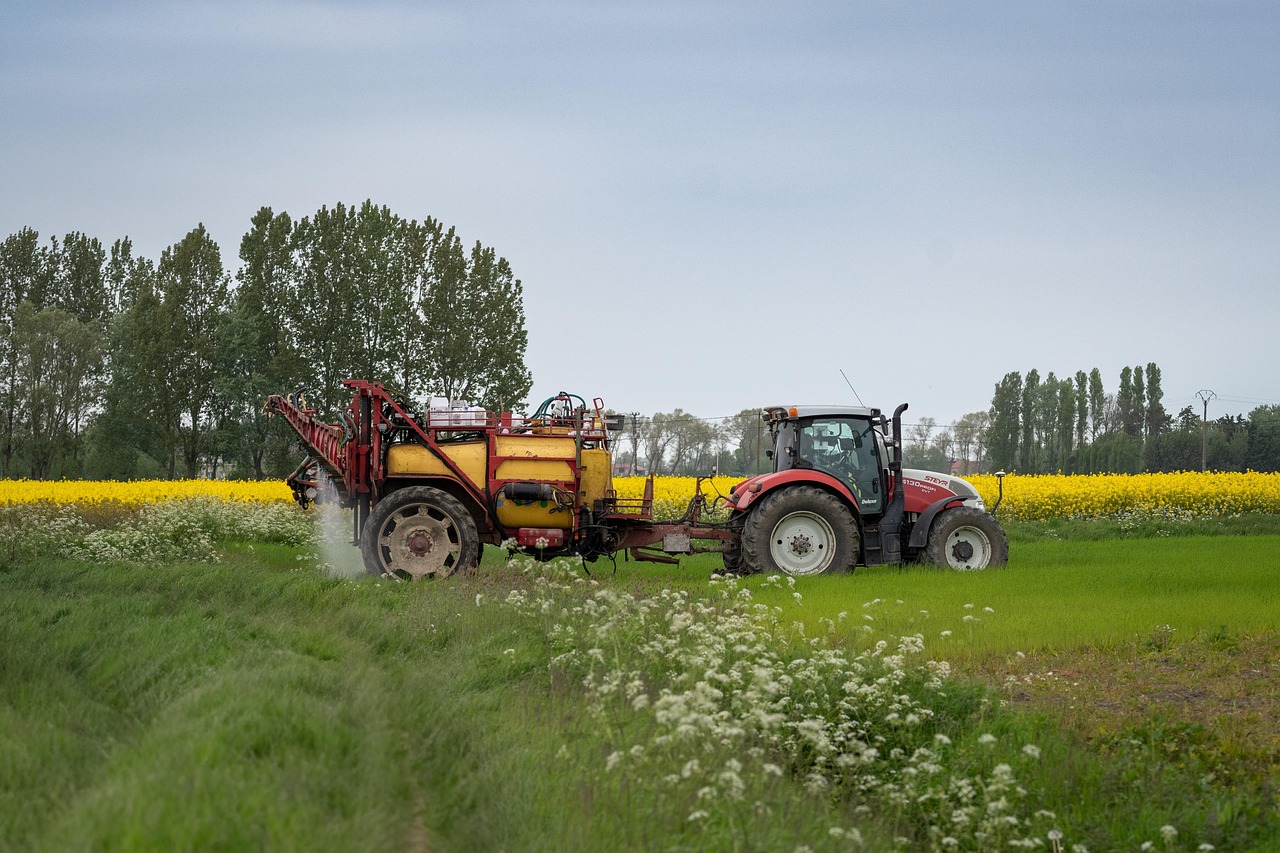

The Influence of Agricultural Output on Commodity Markets
Agricultural output serves as a crucial determinant in the dynamic landscape of commodity markets. The performance of crops such as wheat and corn, either as surplus or deficit, plays a significant role in shaping market prices. When yields are high, the supply increases, often causing commodity prices to decrease. Conversely, a poor harvest can lead to scarcity, resulting in a price spike. Variations in agricultural output can influence not just local markets but also global trade dynamics, as countries import or export based on production metrics. Other factors, including weather conditions, technological advances, and international policies, also impact agricultural yields. Farmers increasingly rely on sustainable practices and innovation to enhance productivity while maintaining ecological balance. Establishing a correlation between agricultural performance and commodity pricing is essential for investors and policymakers alike, as it allows them to strategize accordingly.
The relationship between agricultural output and commodity markets is multifaceted and interconnected. It encompasses various elements like demand fluctuations and market speculation. When agricultural outputs decrease significantly, it often spurs panic in commodity markets, leading to heightened speculation. Speculators may accumulate stocks while anticipating price increases, which can create further volatility. Moreover, determining global consumption trends plays an important role, as higher demand for agricultural products can counterbalance diminished supply. Shifts in consumer preferences, such as the rise of plant-based diets, further complicate this landscape. It is essential for market players to stay informed about agricultural trends and forecasts, as they can provide insights into potential market movements. Understanding the agricultural cycle—from planting to harvesting—is crucial for forecasting price changes effectively. Having access to accurate information and analytics can help traders make informed decisions, ultimately influencing both short-term trading strategies and long-term investment outlooks.
Market Predictions Based on Agricultural Trends
Economic analysts frequently utilize agricultural output data to predict commodity market trends accurately. For instance, the USDA’s regular reports on crop forecasts offer vital insights into expected harvest sizes, allowing traders to adjust their positions accordingly. Furthermore, understanding factors that may influence these forecasts, such as climate conditions or international trade agreements, can provide a competitive edge. Climate change has made agricultural outputs increasingly unpredictable, highlighting the need for agile trading strategies. Entities involved in commodity markets must also account for technological advancements in agriculture, including genetically modified organisms (GMOs) and enhanced irrigation methods, which can boost yields significantly. The resulting impact on supply should prompt timely adjustments in commodity stockpiling. Such predictions based on agricultural output create a portfolio that diversifies risk while capitalizing on potential growth areas. Through careful analysis of data and expert forecasts, investors can make educated choices that remain robust in fluctuating markets. Ultimately, staying abreast of these elements can pave the way for successful commodity trading.
Investment firms and hedge funds often conduct extensive research concerning agricultural productivity to inform their trading strategies effectively. Understanding the potential yield of key crops not only aids in assessing risks but also contributes to portfolio diversification. In years marked by exceptional agricultural performance, commodity investors may significantly benefit from lower prices, allowing them to capitalize on comparative purchasing power. Conversely, tight supply years might elevate price points, increasing investment value. These strategic decisions are influenced not just by agricultural output forecasts but also by retail consumption trends. As consumer behavior changes, so too does the backdrop against which agricultural commodities are traded. Price movements are frequently the result of shifts in public demand rather than solely production issues. Therefore, investors must integrate market sentiment, socio-economic factors, and agricultural output data to create a more holistic, informed strategy. Keeping an eye on key indicators such as the Consumer Price Index (CPI) provides critical context in determining potential deviations in agricultural supply, pricing, and overall market health.
Global Trade Dynamics
Global trade dynamics are greatly influenced by fluctuations in agricultural output, thereby affecting commodity prices across wider markets. When a major producer country experiences a bumper harvest, it not only increases local supply but can also lead to reduced prices internationally. Conversely, if agricultural production drops in key export nations, a ripple effect can prompt price increases in importing countries. Emerging economies, being more susceptible to such changes, may face heightened inflation rates due to rising food costs. This globalization of agricultural output signifies the necessity for countries to adapt their policies and trade agreements to align with changing agricultural scenarios. Strategic alliances can mitigate price volatility and enhance food security. Furthermore, nuanced trade agreements can promote smoother transitions and stability in commodity pricing. Economic indicators derived from agricultural output help governments and corporations anticipate these trading shifts effectively. In this volatile environment, strategic global partnerships become paramount for balancing supply and demand and ensuring fair pricing mechanisms for both producers and consumers.
The influence of technological innovations in agriculture cannot be overlooked when analyzing its effect on commodity markets. Precision farming, drone technology, and data analytics are revolutionizing how agricultural output is measured and predicted. These technologies enable farmers to maximize yield efficiency, providing a direct impact on supply levels, which subsequently affects commodity pricing. With the integration of sustainability practices, agricultural outputs can potentially become more consistent and predictable. In such a climate, investors are likely to see stable prices and reduced volatility in commodity markets. This technological evolution emphasizes the dual role of agriculture as both a fundamental economic driver and a key component of global trade. Entities that embrace modernization are better positioned financially as they can adapt to market demands quicker than those relying on traditional methods. The interplay between technology and agricultural output creates new avenues for growth within commodity trading, further enhancing investment opportunities in an ever-evolving market landscape. Investors are encouraged to consider these technological shifts as they develop future strategies.
Conclusion
In conclusion, the influence of agricultural output on commodity markets is profound, with extensive implications for investors and policymakers alike. Understanding the interconnectedness of agricultural production, consumer demand, and global trade dynamics is crucial for developing a comprehensive market strategy. Those who closely monitor agricultural trends and advancements are more likely to navigate the complexities of commodity trading successfully. By analyzing agricultural forecasts, market data, and technological developments, traders can make timely, informed decisions that align with their investment goals. Furthermore, fostering partnerships between nations can enable better management of agricultural outputs while promoting stability in commodity markets. Continuous education on emerging trends and indicators will only serve to strengthen the ability to forecast market movements effectively. As the world’s population grows and resources dwindle, the agricultural sector’s impact on the economy will become even more significant. Responding proactively to agricultural output changes will foster resilience in both commodity markets and wider economic structures.
Each of these paragraphs highlights the importance of understanding agricultural output and its effects on commodity prices. Investors and policymakers who grasp these principles can navigate the complexities of market dynamics effectively. Updated knowledge of agricultural trends will enhance decision-making for future market investments. Those invested in these markets should maintain their focus on agricultural output as a significant aspect of their trading strategies, ensuring that they leverage them effectively for success.