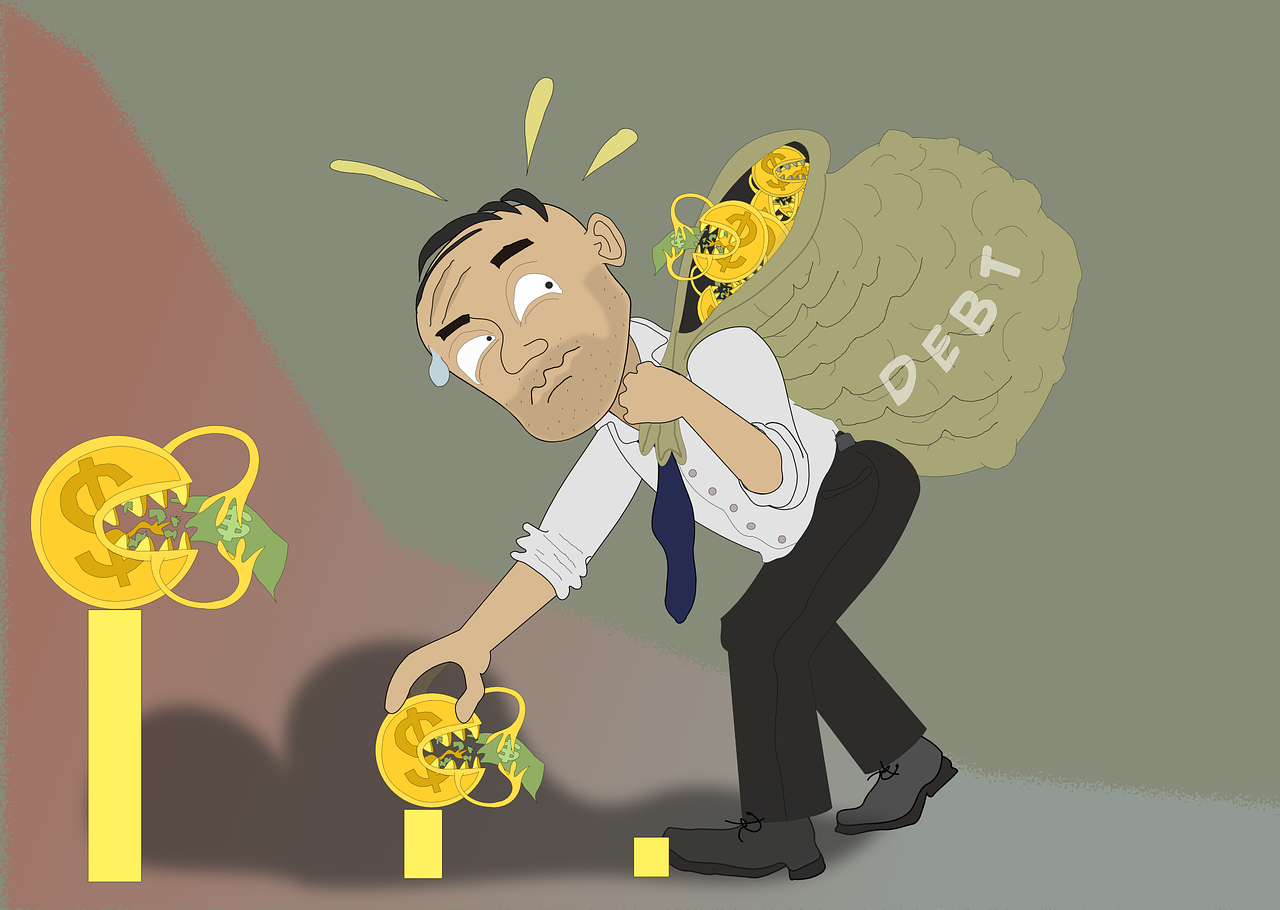

Creating a Realistic Budget to Eliminate Credit Card Debt
Creating a budget is an essential step toward eliminating credit card debt effectively. Begin by calculating your total income, which includes your salary, any freelance work, and other sources of income. Next, list all your fixed monthly expenses such as rent or mortgage, utilities, groceries, and insurance. This comprehensive overview will enable you to understand where you stand financially. After identifying your fixed expenses, examine your variable spending, which can fluctuate monthly depending on personal habits. Evaluate discretionary spending on entertainment, dining, and shopping. To eliminate credit card debt, you must cut unnecessary expenses to redirect funds toward paying off high-interest debts. A budgeting technique such as the 50/30/20 rule can help simplify this process. Under this method, aim to allocate 50% of your income to needs, 30% to wants, and 20% to savings or debt repayment. In addition to being realistic, your budget needs to be flexible so you can adjust as circumstances change. It’s crucial to stay committed and adapt your budget to stay increasingly focused on eliminating your credit card debt quickly.
Once you have established your budget, it’s important to track your spending closely. Implementing a tracking system, which may include digital tools or budgeting apps, significantly enhances your ability to stay on course. Many user-friendly budgeting applications allow for easy categorization of expenses, making it simpler to monitor your progress. Regularly reviewing your actual spending against the budget gives you insights into poor spending habits that may lead to credit card reliance. Identify behaviors that lead to overspending and implement strategies to overcome them, such as setting limits on variable expenditures. Another successful tactic is to use a cash envelope system; designate cash for specific budget categories and avoid using credit cards. By choosing to put yourself on a cash budget, you will limit the ability to overspend. It will also enhance your awareness of physical cash, which tends to feel more significant than swiping a card. Always remember to celebrate small victories when reaching payment milestones. Recognizing progress in reducing credit card balances can significantly increase motivation and further reinforce positive financial habits.
Establishing Debt Repayment Goals
Establishing clear and attainable debt repayment goals will provide motivation and serve as a roadmap throughout your journey. Consider the total amount of credit card debt you have and prioritize your payments based on interest rates. Tackle high-interest debts first while continuing to make minimum payments on others. Utilize a method like the avalanche or snowball strategy to pay off debts more efficiently. The avalanche method focuses on reducing debts based on high-interest rates, while the snowball method tackles smaller balances first, producing quick wins that can boost morale. Whichever method you choose, ensure your goals are realistic. Set monthly targets that are achievable within your established budget. Also, while paying down debt, try to be patient, as this process often takes time to yield noticeable results. As you progress and complete payments on certain debts, consider redirecting those funds toward your next debt target for added efficiency. In addition, stay committed to your timeline and adjust your budget as needed to ensure that your repayment goals align appropriately with your financial capabilities.
Along your journey towards eliminating credit card debt, it is also vital to reinforce savings habits. Building an emergency fund will prevent future reliance on credit cards for unexpected expenses. Begin by aiming for a small emergency fund, such as $500 – $1,000, and gradually increase it based on your comfort level. This fund will serve as a financial safety net, allowing you to handle unexpected costs without resorting to credit. Consider placing your emergency savings in a separate savings account to limit easy access, which reduces the temptation to dip into it for non-emergencies. Also, choosing a high-yield savings account can maximize your returns on that money. In addition to having an emergency fund, it is useful to allocate any windfalls such as bonuses or tax refunds directly toward debt repayment. By doing so, you’re proactively approaching your financial plan. Each small increment of savings and contributions will contribute to your overall financial position. Ultimately, combining saving strategies with debt repayment will create a more stable financial future and help prevent additional debt accumulation.
Staying Motivated and Accountable
Remaining motivated throughout your journey of debt reduction is crucial for long-term success. Join online communities or local support groups where individuals share their personal experiences related to managing debt. Connecting with people who have successfully paid off their debts can inspire and reinforce your efforts. Additionally, consider sharing your goals with family and friends to create accountability. External support systems often lead to healthier financial habits as peer encouragement can help you stay focused on your objectives. Visual aids, such as charts or graphs, can effectively depict your progress in reducing debt over time. Hang them in visible places to remind you of the achievements you’ve made toward financial freedom. Celebrate each milestone, whether small or large, by treating yourself to something enjoyable but affordable—a movie night or a good book. This practice will engage your mind positively linking debt repayment to delightful outcomes. Finally, understand that setbacks may occur, but they shouldn’t derail your progress. Acknowledge any short-lived issues and reinforce your commitment to sticking with your budget and goals in the long run.
As you work on creating a realistic budget to eliminate credit card debt, be wary of falling into the trap of lifestyle inflation. Many individuals obtain debt by increasing their spending as they see improvements in their financial situation. You may become tempted to indulge in more lavish expenses, yet it’s critical to maintain disciplined spending habits. Regularly refer back to your budget and prioritize essentials over wants. This point cannot be emphasized enough, as maintaining your focus directly correlates with your ability to remain debt-free. When you get raises or financial windfalls, consider increasing your debt payments rather than lifestyle-related expenses. Staying grounded in your initial financial objectives will serve you well. Additionally, always evaluate your financial position periodically—in monthly intervals, for example. Review your progress, analyze what methods are working well, or identify areas needing improvement. Making adjustments as necessary will keep your budget fresh. Rigid budgets may lead to discouragement, and flexibility is essential for navigating changing conditions. Prioritize your goals and continuously reshape your strategy until you find what aligns best with your financial plan.
Long-term Financial Health
Ultimately, budgeting for credit card debt reduction is more than just a short-term solution; it’s about establishing healthy financial habits for the long term. Consistently managing your finances and sticking to your budget can set the tone for a more financially secure future. Encourage regular reviews of your budget to ensure it remains aligned with any changes in your income or expenses. It’s vital to remain proactive and periodically assess your financial strategy to prevent potential pitfalls like accumulating new debt. You should prioritize financial literacy by seeking knowledge about personal finance, investments, and savings strategies. Engaging with helpful resources, such as books, podcasts, and financial blogs, can expand your understanding of various fiscal topics. As you eliminate credit card debt and develop robust savings, consider investing for your future. Explore options such as retirement accounts or mutual funds to enhance your financial situation further. The journey does not end with eliminating debt; rather, it leads to a more promising financial landscape. Building on this foundation sets you up for lifelong financial success and the ability to achieve future goals with confidence and security.
In conclusion, creating a realistic budget to eliminate credit card debt requires effective strategies, determination, and mindfulness. Your success ultimately depends on the practices you implement and consistently uphold. By focusing on tracking spending, establishing clear goals, and committing to savings, you build the necessary framework to manage your finances wisely. Avoid common pitfalls, stay committed to your long-term vision, and constantly assess your financial position to attain the desired outcomes. Always remember that financial freedom requires persistence and patience, and progress is often gradual. Over time, your efforts to adhere to your budget will yield significant results that contribute to eliminating credit card debt. Armed with practical tools and a well-defined budget, you can take control of your financial future—leading to a debt-free lifestyle. Introduce these practices into your daily routine to embrace healthier spending habits and secure lasting financial health. With a little effort, you can pave the way to a more secure future. So, take your first steps today, and gradually transform your financial situation while eliminating credit card debt effectively!