
Understanding Securities Laws as They Apply to Digital Tokens
The emergence of digital currencies has captivated attention globally, leading to intense discourse about their regulatory implications. One critical area of examination is the application of securities laws to these digital tokens. Historically, securities laws aim to protect investors from fraud, emphasizing transparency and accountability. Digital tokens can be categorized differently based on their functionality and use-case. Investors must remain vigilant and conduct thorough research to avoid legal pitfalls. The Howey Test is a pivotal criterion used to determine whether a transaction qualifies as an investment contract under federal law. If a digital token meets this test, it may be subject to stringent securities regulations. Therefore, a comprehensive understanding of this classification is essential for developers and users alike. Furthermore, the interpretation of tokens being classified as securities presents more than just compliance challenges; it also influences market participation and innovation. Stakeholders are exploring regulatory clarity to foster a conducive environment for growth without stifling innovation. As clarity emerges, both regulators and digital token developers must engage in continuous dialogue. The dynamic regulatory landscape demands that participants stay informed and adaptable in their approaches to compliance.
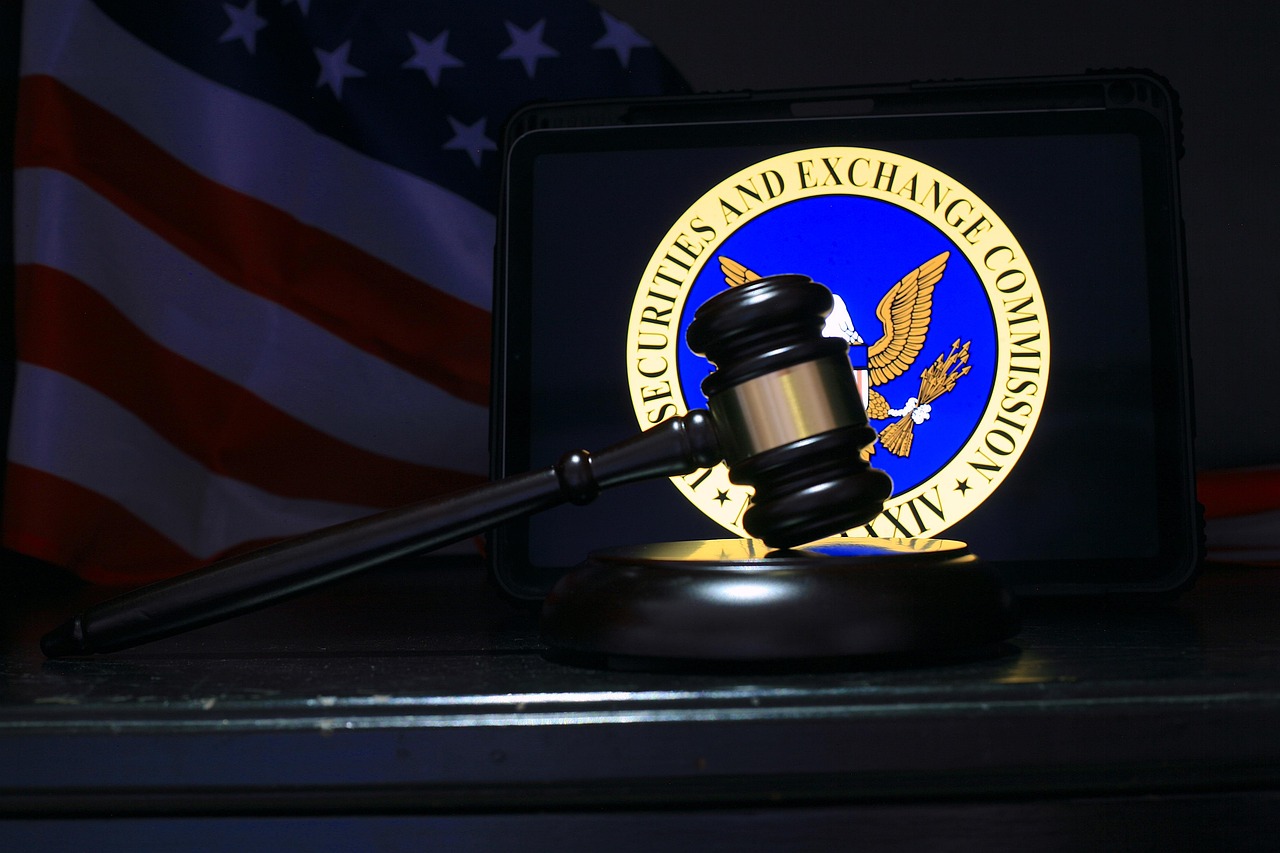
Despite the uncertainties in digital currency regulation, certain frameworks have begun to solidify. Countries are adopting various methodologies to tackle the classification of digital tokens as securities. For example, the U.S. Securities and Exchange Commission (SEC) has established guidelines surrounding Initial Coin Offerings (ICOs). Regulatory bodies often differentiate between utility and security tokens, which is crucial for compliance. Utility tokens, designed for a specific application within a project, may not be classified as securities. On the other hand, if an investor buys a token expecting profit from the efforts of a third party, it may fall within the purview of securities laws. Legal advisors play an instrumental role in interpreting these developments. They provide counsel to businesses navigating these complexities, ensuring adherence to the regulatory framework. In the European Union, the Markets in Crypto-Assets Regulation (MiCA) aims to create uniform regulatory standards for digital financial services. The harmonization of regulations across jurisdictions could significantly minimize market fragmentation. As governments and agencies continue devising regulations, companies must preemptively adjust their business models to mitigate risks associated with compliance failures.
The Impact of Regulatory Frameworks
Regulatory frameworks are increasingly impacting how digital tokens are developed and circulated. With growing scrutiny from authorities, companies are compelled to adopt compliance-focused strategies. This shift not only impacts existing operations but also influences future project creations. The additional costs associated with compliance measures can deter startups and innovators within the crypto space. Larger, established companies might find it easier to adapt due to their resources and expertise. However, for smaller companies, the high cost of legal advice and the potential for regulatory fines create barriers to entry. Furthermore, as sectors globally face potential digital transformations, legislators strive to anticipate risks associated with cryptocurrencies. Each jurisdiction’s regulations can differ significantly, leading to complications for companies operating internationally. A thorough understanding of local laws is critical for success in diverse markets. Businesses must implement comprehensive legal resources to navigate complex regulations successfully. With compliance evolving, organizations may find it necessary to reassess their strategies periodically. In this light, proactive engagement with regulatory developments is essential for innovative resilience within the sector. The balance of fostering innovation while ensuring consumer protection remains a central challenge for regulators and the industry.
Additionally, global coordination among regulators is vital in achieving comprehensive oversight. As digital currencies continue transcending borders, reaching an international consensus is challenging yet necessary. Authorities are encouraged to engage in discussions and share best practices to create a cohesive regulatory environment. Organizations like the Financial Action Task Force (FATF) are central to fostering collaboration between countries. Through enhanced communication, regulators can better share intelligence, addressing anti-money laundering and combating the financing of terrorism concerns. The potential rise of decentralized finance (DeFi) platforms raises further regulatory challenges that need addressing. Participants within this sector advocate for flexibility in regulations that encourage innovation while maintaining consumer protection. However, regulators face the daunting task of identifying appropriate frameworks that can manage the unique characteristics of DeFi. As these technologies continue to evolve, so too must the regulations governing them. Activists call for clear guidelines that support the healthy development of the crypto industry. A dynamic and involved regulatory approach could facilitate sustainable growth ahead, providing assurance to investors while promoting market development and competition among emerging technologies.
Investor Protection and Market Integrity
Investor protection remains a paramount concern amidst the evolving landscape of digital currencies. Securities laws are primarily designed to safeguard investors from fraudulent schemes that may proliferate in unregulated markets. Effective compliance with these laws cultivates confidence in new financial products. As such, robust regulations emphasize transparency and accountability in token offerings. In light of past incidents of ICO fraud, it is critical that investors have access to accurate information. Issuers should disclose all material facts about the token, including associated risks and financial projections. This transparency allows investors to make informed decisions aligned with their risk appetite. Legal experts advocate for clearer guidelines that delineate issuer responsibilities concerning disclosures. Building a culture of accountability can further enhance market integrity while enticing institutional investors. Additionally, the role of self-regulatory organizations can be considered in establishing best practices within the digital asset domain. By promoting ethical standards, such organizations can bridge gaps in investor education that many crypto enthusiasts face. Ultimately, striking the right balance between innovation and regulation will foster a protective environment where investors feel secure in their transactions.
Moreover, assessing the potential risks associated with digital currencies is crucial for all stakeholders. A holistic approach encompasses understanding how vulnerabilities can impact market stability. For example, a lack of licensing and oversight mechanisms may expose investors to scams or unreliable offers. Continuous risk assessment is essential for the long-term sustainability of digital tokens. Companies must implement internal risk management frameworks to comply with regulatory requirements. Additionally, regulatory bodies should encourage transparency within token ecosystems by mandating audits and disclosure requirements. This level of oversight can significantly mitigate fraud risks while increasing accountability among issuers. As the space becomes more saturated, distinguishing between legitimate projects and scams becomes more challenging for investors. With the right information, investors can identify risks, thus making well-informed decisions. Educating consumers about potential red flags will also enhance security. Regulatory guidance can streamline this education process, providing resources that demystify token investments for the general public. An informed investor base is less susceptible to manipulation, ultimately leading to a healthier marketplace in general.
Future of Digital Tokens and Regulation
Looking forward, the future of digital tokens remains intertwined with evolving regulatory landscapes. Regulatory agility will be critical to ensuring that innovations are not stifled while maintaining protective measures for investors. Advocates stress the need for adaptive regulations that can keep pace with technological advancements. As the market matures, regulators will face increasingly complex challenges to protect both industries and consumers effectively. New technologies like artificial intelligence (AI) may help regulators better monitor transactions and flag discrepancies in real-time. Furthermore, engaging with industry experts may provide insight into implementing smoother regulatory processes. Officials could consider public consultation phases to gather input from stakeholders, bridging the gap between innovation and law. Harmonizing international regulations will also reduce uncertainty for market participants, fostering cross-border operations effectively. As global awareness increases, marketplaces will likely expand, impacting regulations worldwide. Continuous collaboration between regulators and industry players remains essential in identifying challenges. As the dialogue evolves, adaptive regulation could set strong foundations for responsible digital token adoption. The overarching aim still stands: fostering innovation while ensuring investor protection and market integrity.
In conclusion, navigating the complexities of securities laws regarding digital tokens necessitates diligent attention from all industry participants. As digital currencies mature, understanding regulatory implications becomes essential for fostering growth and innovation. Both legal and non-legal stakeholders must maintain continuous engagement to navigate this evolving landscape. By remaining abreast of regulatory developments, companies can position themselves favorably within the digital space. Moreover, fostering collaboration among various sectors can lead to more comprehensive and efficient regulatory frameworks. Initiatives aimed at enhancing transparency, accountability, and investor education will create a safer marketplace. The need for continuous dialogue between regulators and industry players cannot be overstated. Future regulations must balance innovation with protection to sustain market integrity and foster consumer confidence. Platforms that champion compliance with evolving laws will likely thrive, while those that neglect this responsibility could risk facing severe repercussions. Going forward, the convergence of technology and finance presents promising opportunities. As digital currencies aspire to reshape the financial landscape, their legal frameworks must reflect these aspirations. Ensuring that laws are relevant and robust will play a significant role in determining the overall success of digital token ecosystems.