
How to Align Content Marketing with Finance Sales Funnels
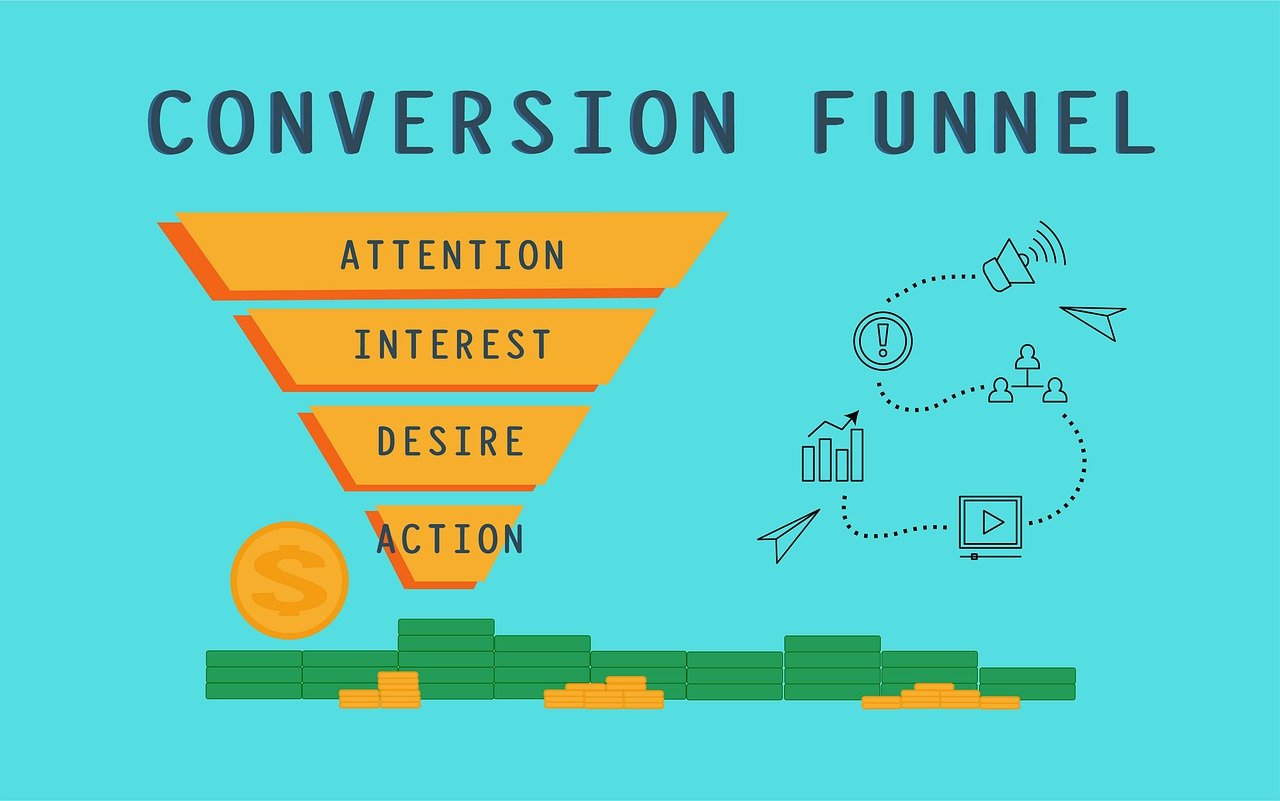
Aligning your content marketing strategy with finance sales funnels is essential for enhancing overall engagement and conversion. Understanding the various stages of the sales funnel enables marketers to tailor their content effectively. Typically, the funnel consists of awareness, consideration, and decision stages, each requiring specific types of content. In the awareness stage, your audience needs educational content, like blogs and whitepapers, to inform them of your products. This type of content should highlight common finance-related pain points, enabling readers to see the value in your offerings. Engagement at this stage leads consumers to move down the funnel, making them more receptive to further communication. The consideration stage demands case studies and in-depth guides, showcasing the benefits of your products. Finally, at the decision stage, personalized content like product demos and testimonials can encourage leads to convert. By strategically aligning content with sales funnels, businesses can maximize their persuading power and drive client decisions effectively. Regularly assessing and optimizing your content strategy is crucial in ensuring alignment with ever-evolving buyer behaviors.
To facilitate effective alignment, it is crucial to develop a clear content roadmap. This roadmap should include essential themes and topics pertinent to each sales funnel stage. Start by conducting thorough audience research, identifying specific interests, challenges, and questions prevailing among your target demographics. Your roadmap should detail when to create and distribute content at each stage of the funnel. For example, early-stage content should focus on building trust and knowledge, while later-stage content needs to encourage immediate action. Using analytics tools enables tracking of user engagement and behavior closely, providing insight into which content resonates best at each phase of the buyer’s journey. Content marketing cannot thrive merely based on intuition; metrics derived from user interaction serve as the foundation for informed strategic adjustments. Another vital aspect involves leveraging SEO strategies to enhance visibility and drive targeted traffic at every funnel stage. By optimizing content for relevant keywords, you can reach the right audience more effectively, ensuring they encounter your materials during their search. Continuous testing and refining your content will also contribute significantly to alignment.
Utilizing Visual Content in the Sales Funnel
Visual content plays a pivotal role in enhancing engagement throughout the sales funnel. As consumers process visual information much faster than text, incorporating graphics, videos, and infographics can increase your content’s impact substantially. In the awareness stage, captivating visuals can grab attention, generating curiosity for your service. Consider developing branded infographics that simplify complex financial concepts, making them accessible and shareable. These can boost traffic to your site and educate potential customers. For the consideration stage, video content can serve to explain product usage and benefits, demonstrating how potential clients can solve their problems efficiently. Client testimonials and expert interviews conducted via video add credibility to your offerings. Finally, in the decision stage, incorporating visually appealing charts or comparison tables can assist clients in easily understanding their various options. They allow customers to make informed decisions quickly. Additionally, live webinars serve as a great way to provide interactive content, allowing potential clients to engage in real time with industry experts. Overall, leveraging various types of visual content throughout the sales funnel fosters better comprehension and sustains user attention.
Strategic distribution of content is crucial for efficient alignment with the sales funnel. Every piece of content must reach your audience at the right time and through the right channels. Utilizing platforms such as social media, email marketing, and newsletters can enhance visibility and engagement rates. Pay attention to your distribution timing; for instance, awareness content could be shared during early stages of the month when audiences are typically exploring. As clients progress, you might consider targeting ads on platforms like LinkedIn, particularly for B2B finance offers. Email campaigns prove essential as they can nurture leads, holding information pertinent to decisions previously shown interest in. Segmenting your audience based on their funnel position allows for more personalized content delivery. Utilizing CRM and marketing automation tools can streamline the entire process, managing the scheduling and distribution of content, enabling a more efficient strategy. Also, monitor A/B testing metrics on different platforms to determine the most effective channels for each phase of the funnel. Emphasizing content strategy’s distribution will significantly affect lead nurturing, lead conversion, and customer acquisition processes.
Measuring Content Effectiveness
The effectiveness of your content in aligning with the sales funnel must be regularly analyzed to ensure optimal performance. Key performance indicators (KPIs) should be established and measured against defined objectives to understand how well your content drives consumer behavior throughout the funnel. Track metrics like engagement rates, time spent on page, and click-through rates to assess interest levels in your content. In addition, utilizing tools such as Google Analytics can provide insights into which content types generate the most leads and conversions. Evaluating customer feedback through comments, surveys, and reviews enables identification of content gaps, offering insights into customer mindset. Remember that your content success isn’t based solely on lead quantity; quality matters as well. Notably, focus on enhancing retention metrics once leads convert into customers. Provide valuable post-purchase content, ensuring ongoing engagement to secure repeat customers. Adopting a data-driven approach fosters necessary adjustments in your content strategy, fostering advancement towards meeting changing consumer behaviors, enhancing customer satisfaction, and ultimately increasing return on investment.
Moreover, integrating customer personas into your content marketing strategy aligns significantly with the sales funnel. Understanding distinct personas enables you to create tailored content that resonates with different audience segments effectively. Identify how various buyer personas interact with your content throughout the sales funnel stages. For each persona, outline specific challenges and preferred content types, optimizing elaboration accordingly. Addressing unique pain points through dedicated content fosters transparency while providing potential clients with a relatable view of your offering. Create targeted content that answers critical questions unique to each persona, simplifying decision-making processes for prospects. Additionally, using case studies and testimonials from similar personas builds trust and authenticity around your brand. Encourage interactivity through calls-to-action that encourage sharing or commenting on your content, enhancing community engagement. Involving feedback loops within your content framework establishes a successful mechanism where iterative improvements can occur. Building robust personas ultimately equips you with the intelligence necessary to communicate effectively and drive conversions across varying sales funnel stages, creating a more cohesive marketing strategy for finance.
Emphasizing Continuous Improvement
Continuous improvement of content marketing efforts is vital for maintaining alignment with finance sales funnels. As consumer behavior trends shift over time, so must your content strategies to ensure relevance. Regularly evaluating and refreshing your content can invigorate interest and increase engagement levels. Work closely with sales and finance teams to gather insights that illuminate the evolving needs of the audience. Implement feedback loops that solicit input for enhancements in content quality, layout, and strategy. Fine-tuning your content based on user interactions secures an effective approach. Don’t hesitate to test new formats or delve into trending topics that can influence the target market’s interests. As technology progresses, staying abreast of emerging trends within digital marketing, such as AI-driven personalization and virtual events, can serve to keep your content marketing efforts on the cutting edge. Consider creating a dedicated team focusing on monthly reviews of content performance and market trends. A culture of adaptability ensures that your content remains fresh and closely aligned with the evolving sales funnels, resulting in ongoing customer engagement and satisfaction.
In conclusion, aligning content marketing with finance sales funnels enhances customer engagement significantly. By understanding the stages of the sales funnel and developing targeted content for each phase, marketers create a smooth, seamless experience for potential clients. Key elements include precise content planning, compelling visuals, strategic distribution, measurable KPIs, and audience personalization. Each piece of content serves a purpose, guiding consumers through their decision-making journey effectively. Continuous improvement is an essential element to ensure ongoing alignment and relevance. Engaging with customer feedback, nurturing leads, and leveraging technology ensures your content is adaptable to changing market needs. Emphasizing these factors holistically creates a data-driven marketing approach that elevates brand credibility and drives conversions. The end goal is building lasting relationships with customers while facilitating sustained business growth over time. Utilize this comprehensive guide to ensure your content marketing strategy thrives effectively within the finance sphere. Ultimately, prioritize strategies that resonate most with your target audience for long-term success. Ensure that every content piece functions as both an educational tool and a persuasive mechanism that brings consumers closer to their decisions.