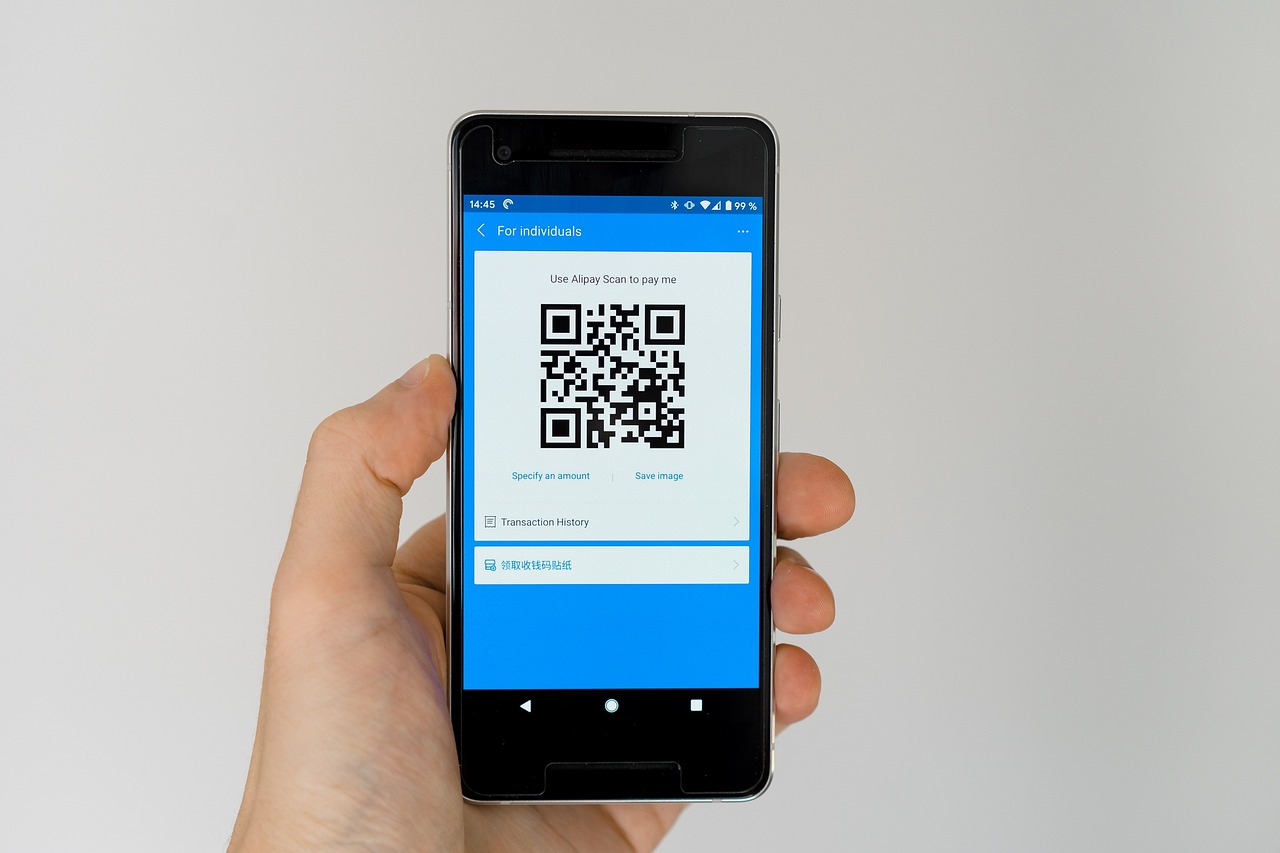

Leveraging Mobile Payment Data to Enhance Marketing ROI
In today’s digital landscape, mobile payment data serves as a potent asset for marketers looking to refine their strategies. Successful marketing campaigns increasingly hinge on data-driven insights, enabling businesses to tailor their messages, offers, and customer interactions accordingly. By harnessing the power of mobile payment transactions, marketers can determine customer preferences, frequency of purchases, and transaction patterns. This data can drive targeted advertisements and promotional campaigns that resonate better with audiences. Additionally, analyzing this data helps businesses identify high-value customers whose patterns influence broader behaviors. The integration of mobile payment systems with marketing strategies can create unique user experiences, leading to strengthened customer engagement and brand loyalty. Moreover, real-time analytics allow for immediate feedback on marketing efforts as well as the ability to iterate campaigns quickly based on actual user data. This agile method results in improved return on investment (ROI). Thus, efforts to capitalize on mobile payment data are essential for businesses aiming to stay competitive in rapidly evolving markets and consumer expectations. Overall, leveraging this data effectively transforms potential obstacles into opportunities for maximum impact and sustained profitability in mobile marketing initiatives.
Analyzing mobile payment data also allows businesses to segment their audiences more effectively, enhancing targeting precision. By identifying distinct groupings of consumers based on their spending habits, preferences, and behaviors, marketers can craft personalized marketing messages that resonate deeply with each segment. For example, a business may discover that a significant portion of its clientele regularly shops for specific categories of products, allowing them to tailor promotions and advertisements accordingly. Moreover, understanding which promotions drive mobile payment transactions can inform future strategies. Marketers can analyze the effectiveness of past campaigns, understanding how specific deals lead to purchases, thereby optimizing future offers. This knowledge permits businesses to focus on campaigns that yield higher conversions, spending less on ineffective marketing tactics. As a result, overall marketing efficiency improves, and the likelihood of generating satisfactory profits significantly increases. Additionally, segmented data enables businesses to communicate more effectively through the channels most preferred by each group, whether through email, social media, or SMS. This level of customization not only enhances customer experience but also solidifies brand loyalty as consumers feel more connected to personalized marketing efforts.
Integrating Mobile Payment Channels
The integration of diverse mobile payment channels enhances marketing opportunities. Marketers must recognize that different payment platforms can yield distinct data insights. Payment options like digital wallets, in-app purchases, and Contactless payments can reveal the preferred payment methods of different audience segments. By examining transaction data across these channels, companies can better allocate marketing resources where they will be most effective. For instance, if a company identifies mobile wallet users as a rapidly growing demographic, targeted campaigns can be created to appeal specifically to that segment, promoting mobile wallet acceptance in physical locations. Furthermore, engaging customers through the payment process—such as offering exclusive discounts, rewards, or loyalty points through their preferred mobile payment option—can reinforce brand engagement and repeat purchases. Integrating marketing messages into the payment experience transforms mundane transactions into valuable interactions. Consequently, capturing data from multiple mobile payment channels offers a more holistic view of customer behaviors, enhancing predictive analytics. When payment data is intertwined with marketing strategies, businesses can not only improve marketing efficiency but also increase consumer satisfaction, ensuring a win-win situation for both parties involved.
Moreover, mobile payment data illuminates critical trends, assisting marketers in forecasting future behavior and market shifts. The dynamic nature of mobile commerce necessitates keen observation of consumer patterns. By analyzing transaction data over time, marketers can spot emerging trends perhaps relating to seasonal shopping behaviors, price fluctuations, and new market entrants. Insights gleaned from this analysis allow for proactive marketing strategies that align with anticipated consumer desires. For example, if analysis shows spikes in spending during certain months, businesses can plan targeted promotions to maximize sales during that period. Similarly, understanding the ebb and flow of consumer spending can inform inventory decisions, ensuring popular products are readily available. A responsive strategy built upon reliable data fosters agility and resilience, allowing companies to adapt to market changes more effectively. Therefore, harnessing mobile payment data not only optimizes current marketing strategies but also positions businesses favorably for future challenges—creating an essential feedback loop that fuels ongoing evolution. With such adaptive marketing practices rooted in actionable data, businesses can cultivate sustained growth and improved brand reputation.
Enhancing Customer Engagement
Leveraging mobile payment data significantly boosts customer engagement through highly personalized experiences. By understanding transaction histories, businesses can craft targeted marketing strategies that cater to individual customer preferences. Personalized recommendations based on past purchases encourage repeat business and foster customer loyalty. Automation tools can utilize this data to send timely messages to customers, reminding them of relevant offers, promotions, and products that align with their interests. Such an approach keeps the brand top of mind and drives consumers back to make further purchases. Additionally, providing customers with the option of mobile payment pathways creates a seamless shopping experience, capturing their attention more effectively. Personalization creates a sense of connection between the consumer and brand, enhancing emotional engagement that translates into customer retention. Furthermore, utilizing mobile payment data to enhance customer relationship management (CRM) systems empowers businesses to tailor outreach efforts even more keenly. Effective communication and relevant promotions transform transactional relationships into loyal partnerships. Consequently, the synergy between marketing efforts and mobile payment data enhances not just sales, but also valuable long-term customer relationships built on mutual understanding and respect.
As customer expectations continue to evolve, businesses must adapt their marketing efforts to maintain a competitive edge. Mobile payment data offers a key insight that allows companies to analyze how preferences change over time, ensuring that marketing strategies remain relevant. By staying ahead of shifting trends, businesses can innovate campaign tactics aimed at addressing customer concerns, needs, and desires. For example, if mobile payment trends indicate a growing demand for contactless transactions, firms can develop promotional strategies that highlight the convenience and safety of contactless payments. Engaging with customers through educational content about these payment methods can further build trust and familiarity. Additionally, seasonal and geographic data derived from mobile payments helps businesses localize their marketing efforts, making them more applicable to specific markets. Such localized strategies increase customer engagement as consumers feel that the company understands their unique context. Overall, by leveraging actionable insights from mobile payment data, brands can foster deeper connections with their audience while enhancing overall marketing effectiveness. An adaptive approach ensures sustained relevance in an ever-evolving market, leading to long-term success and retention.
Measuring Marketing ROI
Measuring marketing ROI in the realm of mobile payments is critically essential for long-term success. With the availability of advanced analytics tools, businesses can track campaign performance closely. This tracking includes assessing customer actions driven by mobile payment campaigns, making it possible to draw direct correlations between marketing initiatives and revenue generation. Clear metrics allow marketers to understand which strategies deliver the best results, empowering resource allocation towards high-performing campaigns. They can also determine specific aspects of their current marketing strategies that require adjustments based on data-driven insights. For instance, if a particular channel yields lower conversions, businesses can quickly pivot their focus to more successful channels. Calculating ROI from mobile payment campaigns, although necessary, can also pose challenges; thus, understanding customer journeys is essential. Marketers should encompass various touchpoints beyond the transaction alone, including pre-purchase touchpoints like advertisements, promotional emails, and social media interactions. These multifaceted approaches open up comprehensive insights into overall campaign effectiveness. Ultimately, the insights gleaned from mobile payment transactions shape marketing protocols, drive growth, and secure strong marketing ROI—the key to sustained success in an increasingly competitive landscape.
In conclusion, leveraging mobile payment data effectively offers businesses a roadmap to increased marketing ROI. The strategic use of insights derived from mobile transactions unlocks personalized marketing potential, allowing for targeted and relevant campaigns. By understanding consumer behaviors, businesses can create meaningful interactions that enhance customer relationships and foster brand loyalty. Furthermore, integrating diverse payment channels generates invaluable data for segmentation and trend analysis, helping marketers stay ahead of the curve. Enhanced customer engagement strategies powered by mobile payment insights show just how vital adaptation to consumer preferences is in achieving impactful returns. However, success lies in measuring these marketing efforts accurately and continuously refining strategies through actionable metrics. As the landscape of mobile marketing continues to shift, businesses that embrace the power of mobile payment data will undoubtedly position themselves favorably for sustainable growth. Embracing these innovative practices not only fortifies customer trust but also cultivates long-lasting connections with diverse audiences in today’s dynamic market. In essence, leveraging mobile payment data is not simply a trend; it is a vital element in shaping the future of effective mobile marketing strategies.