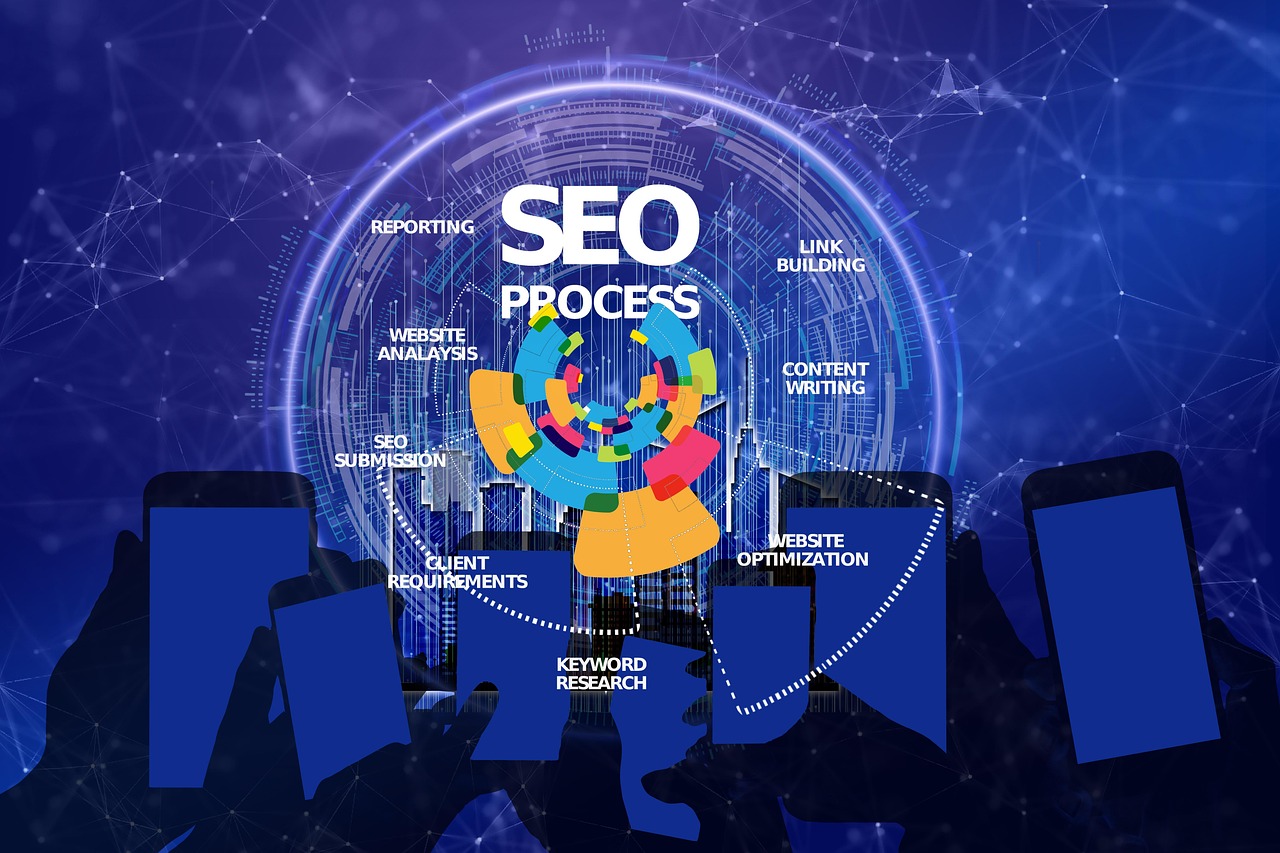

The Role of Keyword Research in Affiliate Pay Per Click Advertising
Keyword research is instrumental in the success of affiliate pay per click (PPC) advertising. Understanding which keywords potential customers use can greatly influence your ad campaigns. When you identify high-traffic keywords that relate to your niche, you can better align your ads with search intent. This leads to higher click-through rates (CTR) and improved conversion rates. Most successful affiliates invest time in thorough keyword research to determine audience behavior. This requires utilizing various tools and resources, which can effectively guide your advertising strategies. Popular tools include Google Keyword Planner, SEMrush, and Ahrefs. Each of these platforms offers unique data that can help you analyze keyword performance. It’s essential to look for keywords that not only have a high search volume but also lower competition. Balancing these factors can maximize your ad efficiency. Another critical aspect is identifying long-tail keywords, which are phrases that have specific user intent. These typically convert better, giving affiliates a competitive edge in their niche. The more effectively you can target your keywords, the more successful your PPC campaign will be.
Furthermore, continual keyword analysis should be an integral part of your PPC strategy. Trends change rapidly, and what works today may not work next month. By regularly reviewing and updating your keyword list, you ensure your ads remain relevant and appealing to your target audience. Additionally, tracking the performance of specific keywords helps in optimizing your ad spend. You can shift investment toward high-performing keywords while eliminating those that underperform, thus ensuring maximum return on investment (ROI). It’s not just about acquiring clicks, but also about securing quality traffic. Segmenting your keyword lists into different themes can enhance your targeting. This allows you to craft tailored ad copy that resonates with your audience’s needs. Therefore, conducting A/B tests on keyword variations can also yield insights on what messaging is most effective. Always maintain flexibility, as consumer behavior can fluctuate based on market trends or seasons. Moreover, it’s beneficial to keep an eye on competitors and their keyword strategies. This information can provide valuable insights and keep you ahead in the competitive affiliate marketing landscape.
The Impact of Negative Keywords
In the realm of PPC, negative keywords are equally significant. Using negative keywords helps you filter out unproductive traffic, ensuring that your ads are displayed only to the most relevant audience. By preventing your ads from appearing in irrelevant queries, you can increase the quality of your traffic. This improves your CTR and overall campaign efficiency. Being meticulous about your negative keyword list is essential, as misplaced terms can drain your budget and lead to wasted clicks. Begin by researching potential negative keywords that are commonly associated with your main keywords but don’t represent your offering. For instance, if you’re promoting digital marketing courses, you might exclude terms like
free
or “cheap.” During the development of your campaigns, keep a close watch on the search terms report to identify keywords that are leading to irrelevant clicks. Frequently updating your negative list keeps your campaigns optimized and relevant. This proactive approach ensures that your ads only reach those who are more likely to convert, ultimately boosting your PPC campaign effectiveness while maintaining cost-efficiency.
Effective keyword research also relies on understanding your competition. Analyzing competitors’ ads and the keywords they target can be incredibly revealing. Tools such as SpyFu or KeywordSpy enable you to get insights into which keywords your competitors are ranking for and spending on. This information can be invaluable as it helps you identify gaps in your strategy and discover untapped keyword opportunities. Beyond identifying keywords, study competitor ad styles. Examine their calls to action, offers, and landing page designs. Such insights can inspire your ad creative, giving you an edge in crafting successful campaigns. Although competition can be fierce, differentiation is key. Find avenues where your message stands apart from the competition, possibly highlighting unique selling propositions or exclusive offers. Staying adaptable to competitive dynamics will enhance your chances of achieving better ad placements and conversions. Ultimately, the more informed you become through competitive analysis, the better positioned you’ll be to create a high-performing affiliate PPC campaign that stands out in a saturated market.
Creating Quality Content Around Keywords
Selecting the right keywords is just the first step. It’s critical to integrate these keywords into high-quality content effectively. Search engines prioritize user experience, leading to better ad placements if your landing pages provide value. Crafting compelling content that addresses user intent not only boosts SEO but also significantly improves your conversion rates. Ensure that the keywords are woven naturally into your content, promoting clarity and engagement rather than keyword stuffing, which can have negative repercussions. Include rich media such as relevant images and videos to enhance user engagement. This creates a more immersive experience that can ultimately lead to increased conversions. Additionally, utilizing proper headers (H1, H2, H3) along with impactful meta descriptions can improve how your pages rank both in organic searches and PPC. Always remember that valuable content leads to lower bounce rates, which reveals to search engines that your content is relevant and trustworthy. Regularly updating content keeps the information fresh, further engaging your audience while also catering to search algorithms. This strategic approach to content optimization results in a well-rounded PPC strategy that effectively drives conversions.
Another vital component of keyword strategy within PPC advertising is local targeting. For affiliate marketers focusing on specific geographical areas, utilizing location-based keywords can significantly enhance visibility and relevance. For instance, if you’re promoting products that serve a local market, including location names in your keywords can attract highly relevant traffic. This geo-specific targeting can lead to better conversion rates, as users searching for local solutions are often ready to purchase. Besides including local keywords, it’s equally important to set up location-based ad campaigns within your PPC platform. These settings allow you to capture localized search intent effectively. Apart from improving visibility among local customers, it’s a cost-efficient strategy since local traffic often leads to higher conversion values. As such, constantly refining your approach according to local market trends and consumer behavior is crucial. Building strong local connections through partnerships can also help in establishing your presence and credibility in the area. Overall, masterful utilization of keywords in a localized context adds great value to your affiliate PPC endeavors.