
Leveraging Consumer Behavior Data for Personalized Marketing
In today’s digital marketing landscape, understanding consumer behavior data has become crucial for developing personalized marketing strategies. Businesses can tailor their messaging to meet the specific needs and preferences of their target audience by analyzing this data. Collecting data from multiple sources, like social media interactions, website browsing habits, and online purchases, empowers marketers to gain insights into what drives consumer decisions. Moreover, this understanding allows companies to segment their audience effectively, ensuring that they can deliver the right message to the right person at the right time. The growing reliance on data analytics fosters a new era of consumer-centric marketing strategies driven by actionable insights and enhanced customer experiences.
Types of Consumer Behavior Data
To leverage consumer behavior data effectively, marketers must understand the various types of data available. Key categories include demographic data, psychographic data, and behavioral data. Demographic data includes information like age, gender, and income level, which helps identify target audiences. Psychographic data examines consumer interests, values, and lifestyle choices, while behavioral data tracks user actions, such as website visits and purchase history. By integrating these data types, marketers can create more expansive and intricate customer profiles, allowing for hyper-personalized marketing approaches that resonate with individual preferences, enhancing overall engagement and conversion rates.
Utilizing consumer behavior data extends beyond simply knowing who customers are; it involves understanding how they interact with brands. Marketers can derive insights by examining which marketing channels yield the best results regarding conversions and engagement. These insights guide marketers to optimize their strategies and improve overall efficiency. Data-driven marketing initiatives enable companies to allocate resources more effectively, ensuring that ad spend translates into maximum ROI. Additionally, marketers can experiment with A/B testing to determine which messages resonate best with different segments of their audience. This ongoing evaluation of consumer behavior enhances marketers’ ability to adapt strategies swiftly as trends evolve.
Personalized marketing can take many forms, including targeted advertisements, tailored email campaigns, and dynamic website content. By harnessing the power of data analytics, brands can create advertising strategies that not only capture user attention but also foster brand loyalty. For instance, personalized recommendations based on previous purchases can significantly enhance the buyer’s journey by anticipating customer needs. Furthermore, consumers are more likely to engage with brands that acknowledge their individual preferences, leading to a more satisfying shopping experience. As competition intensifies, the ability to deliver these personalized experiences becomes a critical differentiator in the market.
The Role of Technology in Data-Driven Marketing
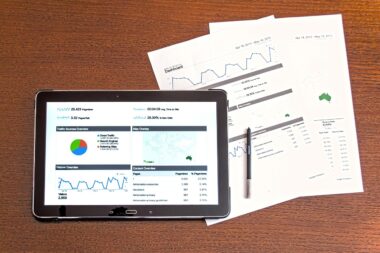
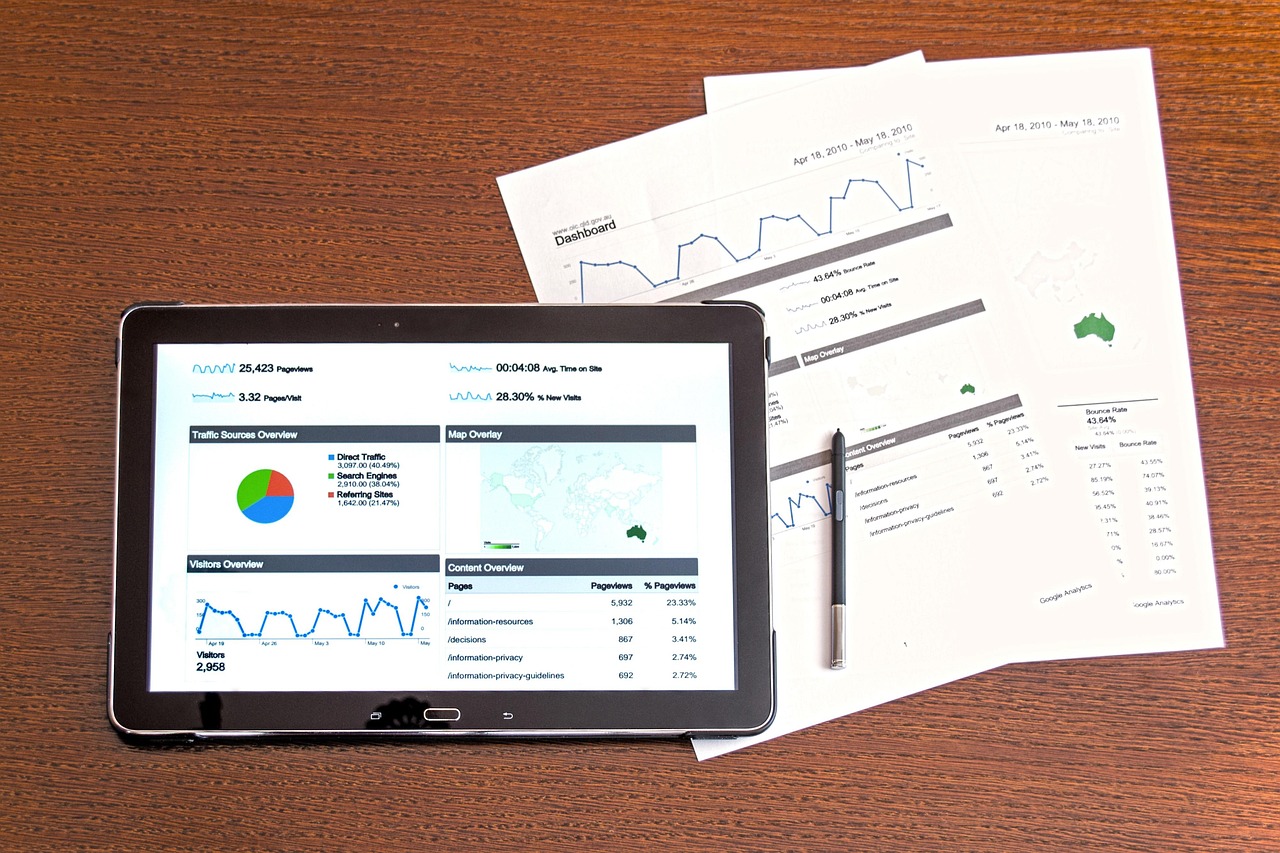
Technology plays an indispensable role in facilitating the collection and analysis of consumer behavior data. With advancements in artificial intelligence and machine learning, marketers can process vast quantities of data quickly. These technologies enable predictive analytics, providing insights that not only clarify current consumer behavior but also forecast future trends. By anticipating customer needs, brands can actively shape their marketing strategies to align with emerging preferences and behaviors. Moreover, data visualization tools help marketers interpret complex data sets, allowing them to make informed decisions and communicate insights effectively with stakeholders.
Data privacy and ethical considerations are paramount when leveraging consumer behavior data. Marketers must navigate complex regulations, such as GDPR and CCPA, to ensure they gather and utilize data responsibly. Transparency is key; brands should communicate clearly how they collect and use consumer information. Building trust through ethical data practices encourages consumers to share their information willingly, facilitating more accurate data collection. Additionally, companies should invest in secure data handling practices to protect consumer information from breaches. Emphasizing ethical marketing not only aligns with regulatory requirements but also enhances brand reputation and consumer loyalty.
Challenges in Data-Driven Marketing
While leveraging consumer behavior data offers significant advantages, it also presents several challenges. One major hurdle is data integration; businesses often struggle to consolidate data from disparate sources into actionable insights. Furthermore, ensuring data accuracy is critical, as flawed data can lead to misguided marketing strategies. Additionally, interpreting data can be complex, requiring skilled analysts to draw meaningful conclusions. Finally, as consumer preferences evolve rapidly due to cultural shifts and technological advancements, keeping insights current remains a challenge. Organizations must invest in continuous learning and development to adapt their strategies effectively in such a dynamic environment.
In conclusion, leveraging consumer behavior data for personalized marketing is vital in today’s competitive landscape. Companies that successfully harness this data can develop a profound understanding of their audience, leading to improved customer experiences and increased engagement. By focusing on ethical practices and utilizing advanced technology, marketers can create more accurate, effective, and personalized campaigns that resonate with their customers. The future of marketing lies in data-driven strategies, making it essential for brands to adopt these approaches or risk falling behind in an ever-evolving marketplace. Continuous adaptation to consumer behavior insights will drive long-term success for forward-thinking brands.