
Introduction to Visual Merchandising and Lighting
In retail marketing, visual merchandising plays a pivotal role in attracting and retaining customers. One critical component in this process is the use of lighting. Proper lighting not only highlights products but also creates a mood that can enhance the shopping experience. Consider different types of lighting, such as ambient, task, and accent lighting. Each type serves a unique purpose. Ambient lighting provides the overall illumination of the space, while task lighting focuses on specific areas where products are displayed. Accent lighting, on the other hand, draws attention to particular items, enhancing their visual appeal. Understanding the interplay of these lighting types can significantly improve the effectiveness of a store’s visual merchandising strategy. Additionally, incorporating color temperature can influence perceptions of a store’s atmosphere. Warm lighting may create a comfortable environment, while cooler temperatures may convey a more modern feel. Store owners must carefully select their lighting based on brand identity and target demographic. In essence, the right lighting can make products irresistible to customers. Successful visual merchandising relies on a holistic approach that intertwines lighting with product placement for maximum impact.
The Psychology of Lighting in Retail
The effect of lighting on consumer behavior is well-documented in psychology. Studies show that well-lit spaces can lead to increased sales as they create an inviting atmosphere. When shoppers feel comfortable due to effective lighting, they are more inclined to browse longer and make purchases. Moreover, lighting influences mood, evoking feelings of happiness and security, which are essential for retail success. Different types of products may also require varying lighting conditions. For instance, jewelry stores often use bright, sparkling lights to enhance the glitter of diamonds, while clothing stores might opt for softer lighting to create an intimate shopping experience. Retailers can leverage this knowledge to design their stores strategically. Adjusting the brightness level can also impact perceived value; brighter lighting tends to suggest higher prices, whereas dimmer lighting may imply a discount or sales event. Retail marketers must, therefore, balance the illumination levels to present their merchandise attractively while aligning with brand messaging. Experimenting with different lighting techniques can help brands discover the most effective style for their audience. Ultimately, an understanding of lighting psychology is a necessary tool for retailers looking to enhance visual merchandising.
Choosing the Right Fixtures and Placement
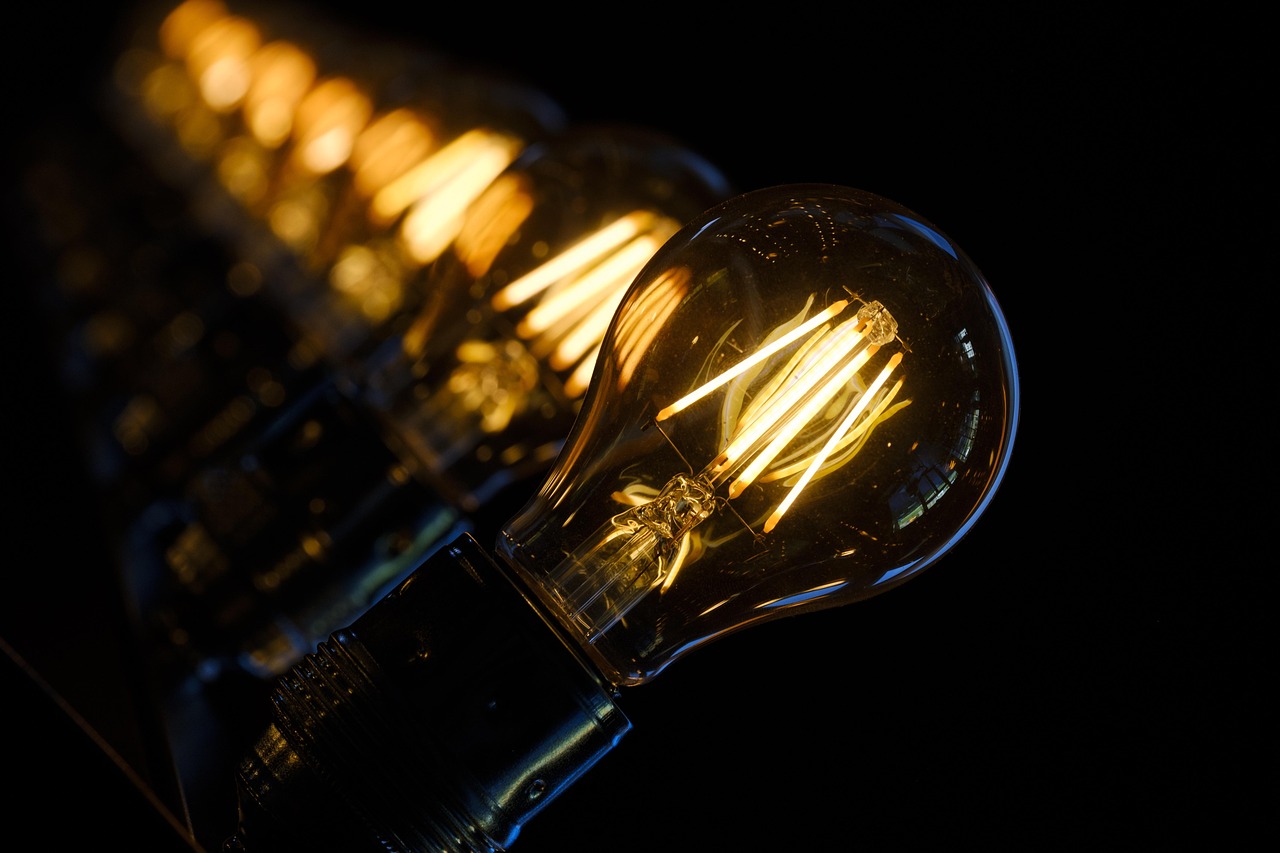
When selecting lighting fixtures, retailers must consider design and functionality. Various types of fixtures are suitable for different environments. For instance, track lights offer versatility; they can be easily adjusted to highlight specific products. Pendant lights provide a stylish alternative that can draw attention upwards, creating visual interest and depth. In addition, LED lights are an energy-efficient option for retail spaces, allowing for greater cost savings in the long run. Placement of lighting fixtures is equally important; positioning them too high or low can diminish their effectiveness. Spotlights should aim directly at products, illuminating them without creating harsh shadows that can detract from their appeal. Retailers can also enhance visual merchandising by syncing lighting with other elements of design, such as color schemes and backdrops. A cohesive atmosphere amplified by proper lighting can create themed displays that entice customers. Store layouts that utilize lighting effectively can encourage foot traffic through the store, guiding customers toward featured merchandise. This strategic approach not only elevates product visibility but enhances the overall customer experience. Therefore, careful selection and placement of lighting fixtures are essential for successful visual merchandising in retail settings.
The role of natural light in retail spaces cannot be overlooked. When utilized effectively, natural light can optimize the ambiance of a retail environment. It creates an inviting atmosphere that encourages consumers to enter the store. Maximizing daylight through large windows or skylights can reduce reliance on artificial lighting, thus lowering energy costs. However, retailers must be mindful of how natural light interacts with their products. For example, harsh sunlight can create glare on displays, making it difficult for customers to view items clearly. Additionally, certain products, particularly textiles and artwork, may fade over time due to prolonged exposure. Strategies such as window films can control light intensity while preserving the integrity of display items. Additionally, strategically placed mirrors can reflect natural light deeper into a store, enhancing illumination and warmth. When designing retail layouts, consider how the positioning of windows will affect both product visibility and customer comfort. Creating a harmonious blend of natural and artificial lighting can elevate shopping experiences. Thus, retailers should embrace natural light while maintaining careful control to ensure that it complements rather than detracts from their visual merchandising efforts.
Incorporating color in lighting doesn’t just enhance aesthetics; it also impacts shoppers’ perceptions. Using colored lights strategically can evoke emotions or highlight specific merchandise. For instance, warm colors such as reds and yellows can stimulate appetite of customers in food-oriented stores, while blues and greens can promote calmness in health and beauty retail environments. Retailers must think about the desired response from their target audience. Additionally, colored lighting can create thematic displays that resonate with seasonal promotions or trends. By aligning lighting colors with campaigns, retailers can create more memorable shopping experiences for customers. Experimenting with colored gels or smart lighting systems enables flexible adjustments depending on the time of day or event. For brands selling luxury items, softer, muted tones may increase the perception of sophistication. Conversely, vibrant colors can energize teenage clothing lines. Therefore, it is essential for marketers to align light colors with merchandise type, brand image, and overall store theme. In summary, creative use of color in lighting is a vital element in enhancing visual merchandising’s impact on consumer purchases.
Technology has transformed how retailers approach visual merchandising, especially concerning lighting. Smart lighting systems allow for real-time adjustments based on customer traffic and time of day. These systems enable retailers to modify brightness, color, and even patterns dynamically, optimizing customer engagement and product visibility. Additionally, automated systems facilitate energy management by reducing or increasing lighting when the store is open or closed. Implementing such advanced technologies can significantly enhance operational efficiency and contribute to environmental sustainability efforts. Furthermore, retailers can use app-controlled lighting systems that allow for impressive light displays during events or launches, creating a memorable experience. Over time, investing in smart lighting solutions can lead to reduced energy costs, better sales metrics, and improved customer experiences. Integrating these technologies fosters a modern aesthetic that appeals to tech-savvy consumers. Retailers must continuously evaluate their technological enhancements to determine their impact. Adopting innovative lighting technologies can ultimately set a retail store apart in a competitive landscape. Therefore, keeping pace with advancements in lighting technology is crucial for maintaining an edge in retail marketing and visual merchandising.
Finally, ongoing assessment and adaptation of lighting strategies are essential in retail environments. Regularly re-evaluating lighting effectiveness can yield insights into consumer behavior and purchasing patterns. Collecting data on customer engagement with different displays and lighting setups allows marketers to refine their approaches. Small adjustments, such as changing bulb types or fixtures, can lead to dramatic improvements in sales and shopper satisfaction. Retailers should also be proactive in responding to feedback from customers regarding store atmosphere, as this can provide invaluable information. Collaborating with visual merchandising professionals who specialize in lighting design can further boost effectiveness. Staying abreast of trends and innovations in the field is also essential. Attending industry trade shows or seminars can expose retailers to new ideas and products that enhance merchandising impact. Overall, the relationship between lighting and visual merchandising is complex and requires continuous evaluation. By remaining adaptable and open to change, retailers can ensure that they create captivating shopping environments that resonate with consumers, drive traffic, and ultimately increase sales. In conclusion, successful visual merchandising hinges on the strategic application of lighting.