
Planning Grocery Trips to Avoid Multiple Store Visits and Save Time
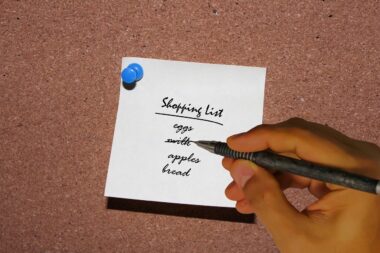
When it comes to grocery shopping, planning can significantly impact your savings and time efficiency. Start by creating a list of items you need for the week. Not only will it help you remember essentials, but it will also prevent impulse purchases. Additionally, segment your list by store sections like produce, dairy, and canned goods. This organization saves you from backtracking during your shop. Consider using grocery store apps to check sales and digital coupons, as many supermarkets offer weekly deals that can be beneficial. Look through local circulars or apps like Flipp for comprehensive promotional opportunities. Remember to compare prices at different stores but stick to your list to stay focused. Another effective strategy is to designate a shopping day each week. This routine keeps you accountable and less likely to forget items. Moreover, think ahead about meals you want to prepare. This helps you avoid buying items that you won’t use and ensures that your purchases align with what you plan to eat. Following these strategies can lead to a streamlined and less stressful grocery experience. By investing time upfront, you’ll not only save time but also money in the long run.
To further enhance your shopping experience, it’s essential to incorporate bulk buying into your grocery strategy. When you find a good deal on non-perishable goods like pasta, rice, or canned items, consider stocking up. Buying in bulk often reduces the unit price of items, which leads to significant savings over time. However, it’s important to balance immediate needs with bulk purchases; buy only what you will realistically use. Additionally, look for sales on frozen fruits and vegetables, as these can often be cheaper and last longer than fresh counterparts. When preparing your shopping list, include a mix of both fresh and frozen. This approach not only minimizes waste but also provides flexibility in meal planning. Furthermore, consider using freezer-friendly recipes to make the most of bulk purchases. Planning meals around these items can help you effectively manage your grocery inventory. Don’t overlook the importance of checking expiration dates on bulk items as well. Being mindful ensures that you use food efficiently and minimizes the risk of spoilage. With careful consideration and strategizing, shopping can become a more economical venture that saves you time and money.
Another valuable strategy is to set a budget before heading out to shop. Establishing a budget helps establish clear financial boundaries, thus preventing overspending at the store. Itemize your must-haves versus nice-to-haves on your shopping list, so you prioritize essentials. Track your groceries’ costs as you shop, whether by using a calculator on your smartphone or a paper and pencil. This will help you remain conscientious about your spending habits. On trips where you plan to purchase perishable items, consider utilizing a meal planning app to coordinate your purchases and ensure nothing goes to waste. If you realize that certain items exceed budget constraints, don’t hesitate to modify your list. Substitute alternatives that still meet your nutritional needs but offer lower costs. Moreover, participating in loyalty programs can provide exclusive discounts and cashback opportunities, which amplify savings over time. Keep an eye on the expiration dates of items to avoid waste, as food waste equates to lost money. By budgeting wisely, using apps, and keeping track of your purchases, grocery shopping can become both an efficient and affordable task.
Utilizing a grocery shopping schedule is another effective tactic when trying to minimize multiple store visits. Designate specific days to visit particular stores based on their product offerings or sales cycles. For example, you might choose to buy fresh products on Saturdays and non-perishables during the week. Establishing a rhythm to your shopping habits ensures less time spent on each visit. Additionally, try to shop during off-peak hours when stores are less crowded. Early mornings or late evenings typically provide a smoother shopping experience. This prevents the hassle of long lines and chaotic aisles, allowing you to focus on your list. Alternatively, consider online grocery shopping and pick-up services. These options allow you to pre-select items and simply grab them, eliminating the randomness often experienced in-store. Always remember to review your cart before finalizing the order, ensuring that all selections align with your original budget and needs. These scheduling strategies can streamline your grocery trips, cutting down on extra travel while maximizing your shopping efficiency. Embracing this approach results in not only saving time but also potentially lowering grocery expenses.
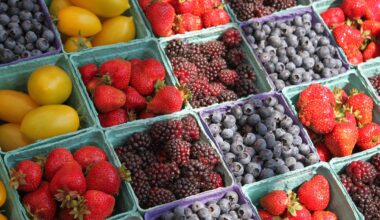
Planning your grocery shopping with seasonal produce in mind can significantly cut costs and enhance your meals. Seasonal produce often has better quality and lower prices due to higher availability in the market. Focus on incorporating fruits and vegetables that are in season each month. For instance, summer is perfect for tomatoes and berries, while fall highlights squash and apples. Adjust your meals based on these seasonal selections to keep your diet varied and interesting. By focusing on seasonal items, you’re also supporting local farmers and reducing the carbon footprint involved in transporting out-of-season produce. It’s also wise to consider preserving these seasonal items either by freezing or canning, allowing you to enjoy them year-round. Evaluate farmers’ markets or local grocery stores that emphasize in-season items. This supports regional vendors while providing fresher options for your family. Moreover, consumers will discover that choosing seasonal produce can result in delightful new recipes in their culinary repertoire. By strategically selecting seasonal produce, you’ll not only save money, but you’ll also cultivate a healthier diet that embraces variety.
Taking inventory of your pantry before shopping is essential when planning your grocery trips. Knowing what you currently have can help prevent buying duplicates, ensuring that your grocery budget is used more effectively. Create a thorough list of your pantry items, so you won’t accidentally purchase what you already possess. This simple step can also reveal pantry items that might be nearing their expiration dates and prompt you to incorporate them into your upcoming meal plans. Organizing your kitchen can also aid this process, ensuring visibility of what’s available, promoting efficient meal-prepping. Not only will this tactic save you money by avoiding waste, but it will also foster creativity in the kitchen as you come up with ideas for meals based on existing ingredients. Additionally, integrating a meal-prep day in your routine can help utilize these ingredients effectively, simplifying your weekly cooking needs. Embrace easy and efficient recipes that fit into your weekly schedule. By staying organized and aware of your pantry items, grocery trips become more efficient and ultimately more economical.
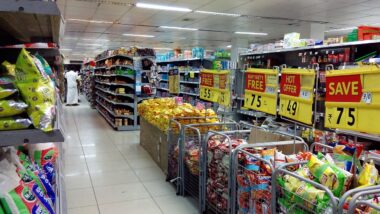
Lastly, incorporating flexibility in your shopping habits is crucial for maintaining a budget-friendly approach to grocery shopping. While having a list is essential, being open to adjusting it based on in-store discounts can boost your savings significantly. If an item you regularly purchase is on sale, consider buying an extra to stock up. Be adaptable regarding brands and quantities as well; sometimes generic or store brands offer the same quality at lower prices. Maintaining flexibility allows you to take advantage of special offers, ultimately making your trips more efficient. Additionally, consider experimenting with one new recipe each week to embrace seasonal or on-sale items. This can keep meal planning exciting and prevent boredom. Another tactic is to use cash for your grocery budget – this psychological technique helps curb overspending by providing a physical limit. Use any leftover cash at the end of the month for fun treats or activities. With a flexible approach, you can enjoy shopping in a way that’s both fulfilling and practical, ensuring you receive maximum value from your grocery budget.