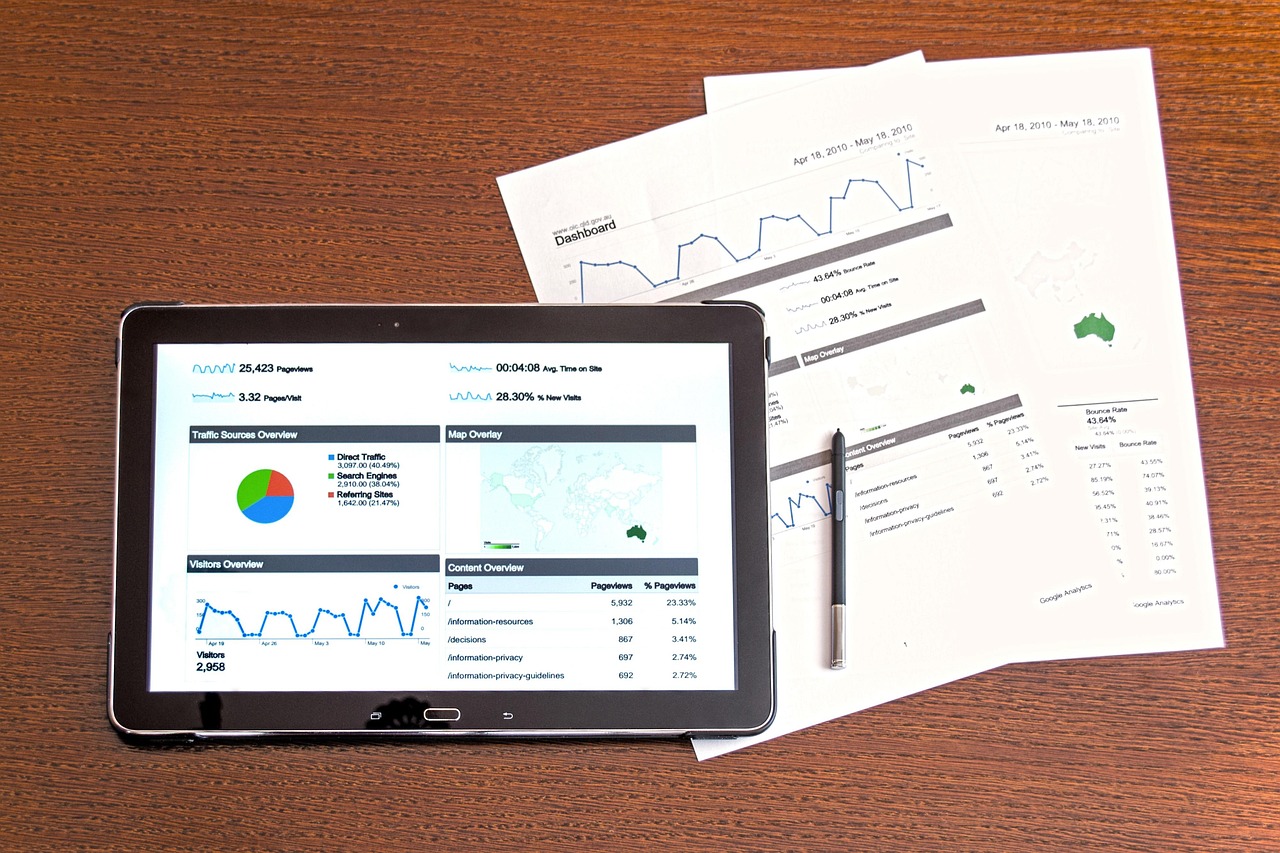

Top Tools for Reporting Automation in Marketing
In today’s fast-paced marketing landscape, reporting automation is essential for businesses to make data-driven decisions effectively. By utilizing reporting automation tools, businesses can streamline their processes, enhance productivity, and improve insight generation. These tools handle data collection, analysis, and presentation in an effective manner. It allows teams to focus on strategy rather than manual reporting tasks, which can be time-consuming and prone to error. With many options available, companies can select tools based on features, usability, and integration capabilities. The ultimate goal is to consolidate data from various sources and deliver actionable insights rapidly. This can lead to more informed decision-making and optimized marketing strategies, enhancing overall performance. As we delve deeper into the tools available for reporting automation, businesses must assess their specific needs and the capabilities of each tool. Understanding how various reporting tools fit into existing workflows is crucial. Different tools also cater to different levels of expertise, and making an informed choice greatly impacts reporting efficiency. Stay tuned as we review some of the best reporting automation tools on the market.
One of the standout tools in reporting automation is Google Data Studio. This platform enables users to create customizable and visually appealing reports with ease. Structured data can be easily transformed into engaging, informative dashboards. Google Data Studio seamlessly integrates with Google Analytics, Sheets, and other data sources, allowing marketers to visualize key metrics. Another strong feature is the ability to collaborate in real-time, making it easier for teams to work together and share insights. Users can also automate the reporting process by scheduling regular data refreshes. Although it’s free of charge, it offers extensive functionality that rivals paid platforms. Google Data Studio empowers marketers to take control of their reporting without the need for heavy IT support. This allows for flexibility since users can tailor reports to meet specific business needs. Moreover, the vast array of available templates and customizable options means that even novice users can create professional-looking reports. By leveraging this tool, companies can significantly enhance the speed and accuracy of their reporting, leading to better decision-making processes across the organization.
Tableau
Another excellent reporting automation tool is Tableau, well-known for its robust data visualization capabilities. This tool is particularly useful for organizations looking to consolidate large sets of data into easily interpretable dashboards. Tableau provides various data connection options, allowing seamless access to numerous data sources. With its drag-and-drop interface, users can create interactive, real-time visualizations effortlessly. This can facilitate quicker insights, which can improve strategic decisions significantly. Another significant advantage of using Tableau is its advanced analytics features, which provide users with the option to perform complex calculations and predictive analytics. Users can also automate report generation and set up scheduled deliveries, ensuring key stakeholders have access to timely insights. Tableau’s capabilities extend beyond reporting; it also supports deep data exploration, enabling users to dive deeper into their data for more elaborate analysis. While it is a premium tool, its ability to deliver powerful insights makes it a worthwhile investment for data-driven organizations. By enabling easy sharing of dashboards, teams can collaboratively explore data, driving a culture of data literacy within the organization.
For teams utilizing CRM software, HubSpot offers robust reporting automation features that should not be overlooked. By utilizing HubSpot, marketers can automatically collect data from various touchpoints to generate performance reports seamlessly. Its reporting dashboard provides easy-to-read visualizations of valuable marketing metrics, helping organizations quickly assess campaign effectiveness. HubSpot combines the benefits of CRM and marketing software, making it an excellent solution for integrated reporting. The tool allows for customized report generation based on specific parameters, leading to targeted insights. Additionally, users can set automatic notifications for key performance indicators, ensuring that team members are alerted to significant changes. This proactive approach ensures that necessary actions are taken promptly. The user-friendly interface simplifies the process of generating reports, even for those not accustomed to reporting tools. By leveraging HubSpot for reporting automation, companies can glean actionable insights and improve their marketing strategies without the burdensome task of manual report generation. Overall, HubSpot’s capabilities allow for enhanced reporting for marketers, leading to greater success in refining campaigns over time.
Power BI
Power BI is another notable reporting automation tool that offers a powerful yet user-friendly platform for data visualization and reporting. Designed by Microsoft, it integrates seamlessly with a wide range of Microsoft products and third-party apps. Users can easily import data from numerous sources, transforming it into meaningful insights through interactive dashboards. Power BI’s natural language processing feature allows users to ask questions about their data, making data interaction more intuitive. Moreover, the platform includes various visualization options ranging from simple graphs to complex data visualizations. Automation extends to report generation, where users can schedule reports to be sent at predetermined intervals. This ensures stakeholders remain updated without manual intervention. Power BI also supports collaboration within teams by allowing sharing of reports and dashboards. With frequent updates and improvements based on user feedback, Power BI continually evolves to meet marketing teams’ needs. Building a culture of data-driven decision-making is made easier with such powerful tools. Organizations can back their strategies with deep insights and data, reinforcing the significance of effective reporting tools within marketing automation.
When it comes to marketing reporting automation, Zoho Analytics deserves consideration for its comprehensive analytics capabilities. This tool allows organizations to collect and analyze data from multiple sources effortlessly. Zoho Analytics features a user-friendly interface that enables both novice users and seasoned analysts alike to create insightful reports. Users can customize various dashboards while automatically pulling data from sources like Zoho CRM, Google Analytics, and others. Additionally, its option for data blending allows the combination of different data sources, leading to richer insights. With features such as automated email reports and scheduled report generation, teams can stay informed of essential metrics without any manual input. The platform also incorporates AI-driven insights, providing predictive analytics that can significantly enhance tactical decision-making. Furthermore, Zoho Analytics supports collaboration across teams, which is crucial in leveraging reporting insights effectively. Through such comprehensive tools, companies can enhance their marketing strategies by understanding performance metrics incomparably. Effective reporting can lead to optimizing marketing efforts and resource allocation. With Zoho Analytics, businesses can ensure they remain competitive in an ever-evolving market.
Conclusion
In conclusion, investing in reporting automation tools is vital for any organization seeking to enhance their marketing processes. Utilizing tools like Google Data Studio, Tableau, HubSpot, Power BI, and Zoho Analytics can profoundly impact overall efficiency. Each of these tools offers unique features tailored toward specific reporting needs, enabling businesses to derive maximum value from their data. Enhanced reporting not only streamlines internal processes but also empowers teams to make informed decisions rapidly. As the marketing landscape continues to evolve, adaptable and robust reporting automation tools become increasingly important. Investing in such tools ultimately translates into better insights and improved marketing performance. Businesses need to assess their operational needs and choose tools that complement their existing systems. Organizations can foster a data-driven culture by effectively utilizing these reporting tools. The right reporting automation tool can foster collaboration and transparency, encouraging teams to share insights. In doing so, companies can significantly elevate their marketing strategies and remain competitive in today’s digital landscape. Thus, the impact of investing in reporting automation tools is necessary for organizations aiming to achieve their marketing goals efficiently.