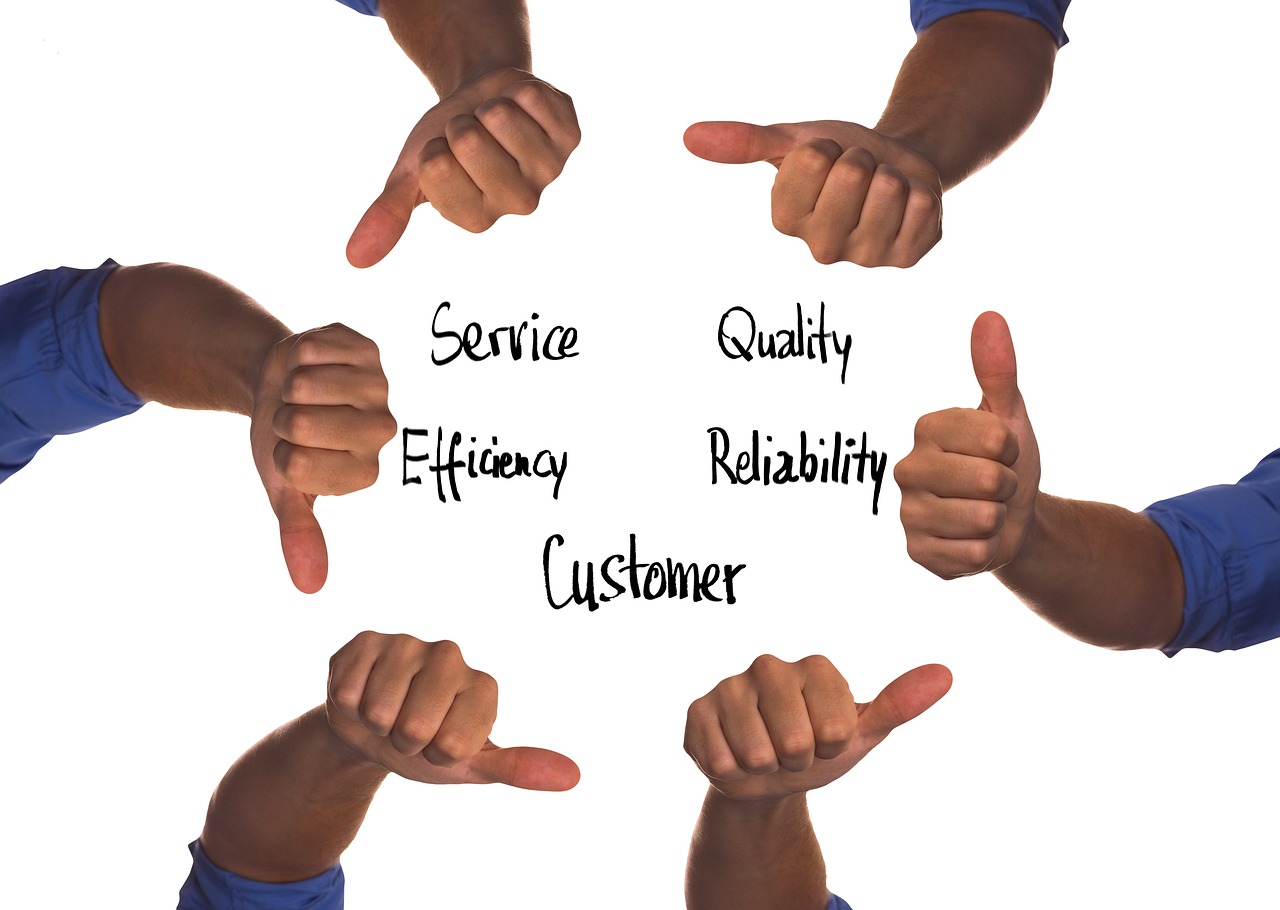

Strategies to Improve Product Quality for Better Customer Retention
To improve customer retention, it is essential to focus on product quality as the foundation of customer satisfaction. High product quality leads to positive experiences and increased loyalty. You can begin by establishing a solid quality assurance process that encompasses various stages, from development to delivery. Implementing regular product testing helps identify potential issues early, ensuring that consumers receive the best version of your offerings. Additionally, ask for customer feedback and incorporate their suggestions into your product improvements. When customers see their opinions valued, they tend to develop brand loyalty. Moreover, keeping an eye on emerging industry trends allows you to adapt quickly and stay ahead of competitors. Engage with your customers actively through social media channels, building a sense of community around your brand. Offering customization options based on customer preferences can also enhance the perceived value of your products. Streamlining supply chain processes to reduce delays ensures timely deliveries, thus enhancing the overall customer experience. Use quality management systems (QMS) that monitor and measure performance over time, enabling a data-driven approach in maintaining high standards of product quality for retention.
Another crucial strategy for enhancing product quality involves training your staff. Well-trained employees can better execute quality management practices, ensuring consistency in production. Investing in employee training programs is pivotal for cultivating a culture of quality mindset within your organization. Encourage teams to take ownership of their work quality as this often results in an improved end product. The emphasis on continuous improvement and care helps reduce mistakes, leading to higher customer satisfaction rates. Furthermore, integrate technology tools that assist in monitoring product quality. Advanced technologies such as AI and machine learning can predict potential problems in product development phases. Analyzing customer data can yield valuable insights into preferences, allowing tailored enhancements for better engagement. Monitoring product performances via key performance indicators (KPIs) can also inform how well a product meets customer needs. Hold regular reviews of these insights and share data-driven decisions across teams to improve collaboration. By actively engaging all departments—from marketing to production—you forge a unified vision for quality enhancement. Alignment across teams solidifies the commitment to improve product quality, fostering an environment that prioritizes customer retention.
Engaging Customers in Quality Improvement
Engaging customers in quality improvement initiatives can further heighten their emotional investment in your products. Establishing channels for feedback, such as surveys or suggestion boxes, encourages customers to share their experiences. Additionally, create loyalty programs that reward customers for their feedback. When customers feel that their voices matter, they become more loyal and likely to advocate for your brand. Run promotional campaigns that highlight improvements made based on customer input. Transparency in product evolution enhances trust and assures your customers that you are committed to excellence. Furthermore, consider conducting focus groups to gather insights directly from your audience. This interactive approach fosters a community-driven atmosphere, making customers feel part of the decision-making process. Use social media platforms to showcase the stories of customers who have positively impacted product changes. Share their experiences to foster a sense of belonging. Building an emotional connection strengthens brand affinity and increases the chances of repeat purchases. Encouraging continuous dialogue with customers reinforces the idea that quality is a shared responsibility, creating a more engaged customer base that prioritizes the loyalty.
Quality control measures should extend beyond production stages. Post-purchase product support remains crucial in maintaining customer satisfaction after a sale. Establish a reliable customer service system ready to address issues swiftly and effectively. Invest in training your customer support team to ensure they understand products thoroughly and can provide accurate information. This expertise proves essential in helping customers solve problems and reinforces their confidence in your product. Offer easy return policies or exchanges to minimize customer dissatisfaction. Implement follow-up communication strategies, such as emails or phone calls, to assess how satisfied customers are with their products. This not only strengthens the relationship but also allows you to swiftly address any underlying issues they may experience. Document and analyze these interactions to identify patterns and areas needing improvement. By addressing post-purchase experiences, you create a full cycle of quality that begins before a sale and extends beyond it. Ultimately, this commitment to quality enhances customer trust and leaves a lasting positive impression. A solid post-purchase experience fosters a sense of security, drawing customers back for future purchases and reinforcing retention.
Investing in Sustainable Practices
In today’s market, adopting sustainable practices can be a key differentiator in enhancing product quality and customer retention. Consumers increasingly value brands committed to environmental sustainability. By improving your product’s environmental footprint, you appeal to a broader range of customers. For instance, sourcing organic materials not only diminishes environmental impact but also heightens product quality. Transparency regarding sourcing practices enhances perceived trustworthiness. Implementing eco-friendly packaging solutions also communicates your commitment to sustainability, positively influencing purchasing decisions. Additionally, incorporating ethical labor practices within your supply chain can resonate positively with conscious consumers. Highlight your efforts through all marketing channels, including your website and social media, to boost visibility. Engaging customers with your sustainability story can create deeper emotional connections. You may also align with existing initiatives focused on reducing waste and conserving resources. Consider launching recycling programs that encourage customers to return unused products. Such initiatives can enhance brand loyalty and galvanize customers to champion your product. Ultimately, fostering an environmentally conscious brand image will promote retention while distinguishing you as a leader in product quality.
Regularly assessing and innovating your product offers should be a priority for retaining customers. Conduct market analysis to understand evolving consumer needs and development trends. Post-launch evaluations are vital; these should gauge how well the product performs compared to customer expectations. Use this data to adapt your offerings as necessary, ensuring continued alignment with consumer desires. Release updates or new versions frequently to keep your product fresh and engaging. Create a platform through your website or app where customers can suggest features they would like to see in future releases. Engaging customers in this manner not only informs your development process but also strengthens loyalty by giving them a voice. Moreover, leveraging analytics tools enables better forecasting of market demands, helping your brand pivot when necessary. Keeping up with competitors requires dedication and foresight, particularly regarding innovative product quality enhancements. Make a commitment to periodic reviews of product specifications tailored to industry changes. This proactive approach to product innovation ensures consistent alignment with customer expectations and fortifies customer retention.
Measuring Success and Adapting
Finally, measuring the effectiveness of your product quality strategies is crucial for ensuring long-term success. By utilizing various metrics, you can evaluate customer satisfaction and retention rates. Surveys offering Likert scales can simplify quantifying feedback on product experiences. Analyzing customer lifetime value (CLV) also provides insight into application efficacy. A high CLV often indicates strong product quality and customer satisfaction. Additionally, monitoring social media mentions and sentiment helps gauge brand perception in real time. When engaging in reviews, also be mindful of your brand’s net promoter score (NPS) to understand customer loyalty. This score reflects the likelihood of customers to recommend your products to others. Utilize these insights to refine strategies continually and iterate on product quality enhancements. Be prepared to adapt quickly to emerging trends. By being agile, your brand can respond positively to market shifts, maintaining a competitive edge in customer retention. Ultimately, the combined focus on quality, customer engagement, and ongoing measurement will form a robust foundation for retaining customers and fostering brand loyalty.