
Enhancing Email Marketing Campaigns with Analytics Automation
Email marketing remains a crucial strategy for businesses aiming to reach their customers directly. By utilizing analytics automation, brands can better understand their audience’s preferences and behaviors. This data-driven approach allows marketers to tailor their campaigns effectively, ensuring messages resonate with recipients. Automation tools enable the collection of vast amounts of data about recipient interactions with email content. Some important metrics include open rates, click-through rates, and engagement times. This data supports informed decision-making and enhances overall campaign effectiveness. Automated analytics reduce manual reporting’s time restraints, freeing marketers to focus on strategy and creative content. Additionally, this information can refine target audience profiles, allowing more accurate segmentation. Segmenting audiences based on past interactions enhances personalization, significantly boosting conversion rates. For instance, an e-commerce brand can utilize past purchase history to offer targeted promotions, thus enhancing customer satisfaction. As a result, businesses leverage customer data more efficiently, ultimately driving higher engagement and revenue. Implementing a robust analytics system simplifies this process, providing real-time insights that empower marketers to optimize their strategies continually. Adopting automation in email marketing adds precision and efficacy to promotional efforts.
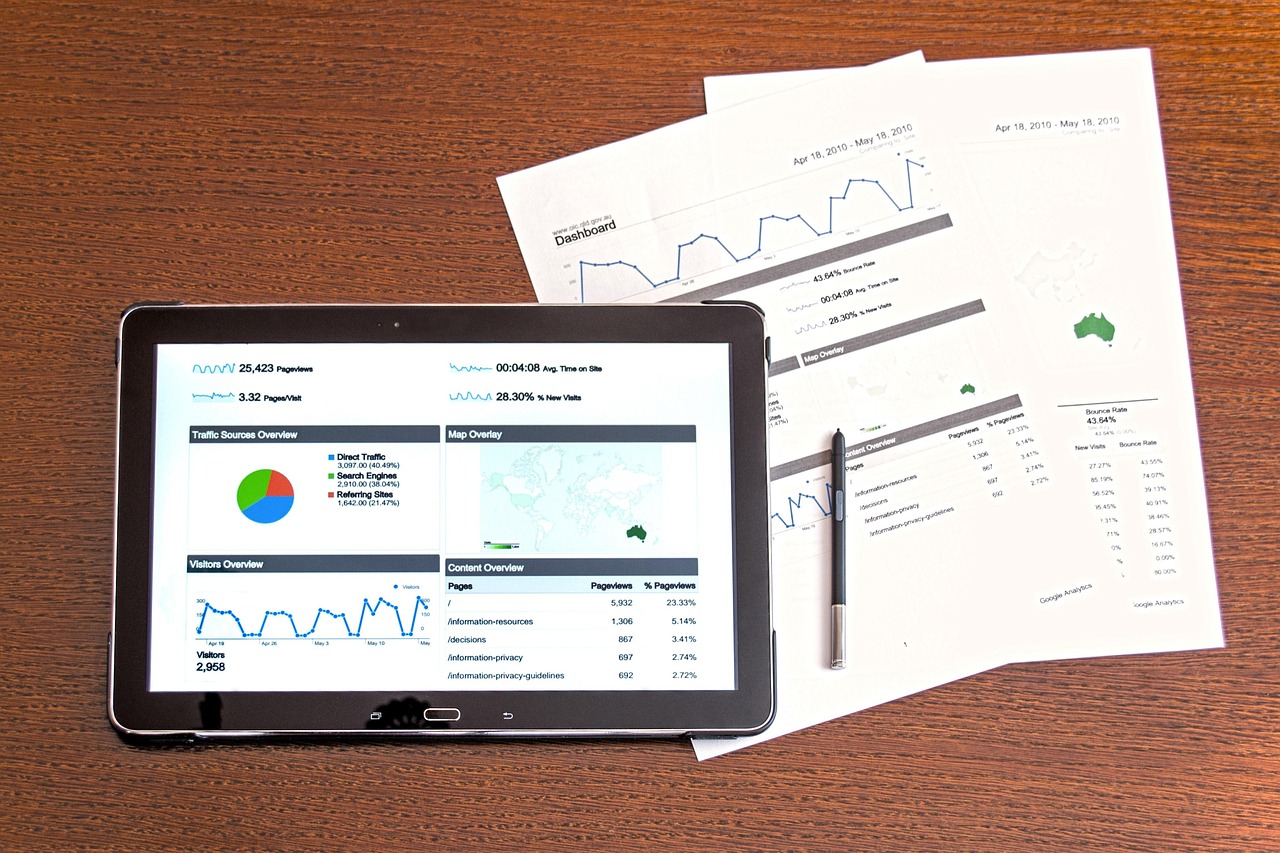
This article will discuss the key benefits of using analytics automation in email marketing campaigns. The first significant advantage is improved data collection, which provides deeper insights into customer behavior. Automation tools aggregate data from various sources, allowing brands to analyze interactions over time. By understanding patterns, companies can predict future customer actions, optimizing campaign designs. This predictive analysis paves the way for tailored offerings aligned with individual customer needs. Furthermore, analytics automation tracks performance metrics in real-time, enabling marketers to make timely adjustments to their strategies. Immediate feedback helps identify successful content and guides modifications for underperforming segments. Notably, the ability to visualize data through dashboards enhances comprehension, making it easier for marketing teams to interpret results. This information aids in adjusting strategies to improve engagement rates continuously. A well-informed team can pivot as trends develop, leading to informed, data-backed decisions. Moreover, analytics facilitate A/B testing, allowing marketers to experiment with various strategies to determine the most effective messaging and design. The iterative process refined by automation leads to progressively better results, creating a culture of continuous improvement in email marketing campaigns.
Targeting and Segmentation through Analytics
Targeting the right audience with relevant content is paramount in successful email marketing. With analytics automation, brands can segment their target audiences more effectively, ensuring each message resonates with its recipient. Detailed data on customer behaviors and preferences enables marketers to create hyper-targeted campaigns tailored to specific groups. For instance, new subscribers may receive a welcome series, while returning customers are offered exclusive deals on items they previously viewed. Automation tools facilitate this nuanced targeting, allowing marketers to categorize their audience based on various parameters. These may include demographic details, purchase history, and engagement levels. By segmenting the audience effectively, businesses can customize their communication approach, ensuring it aligns with customer expectations. Personalized emails drive higher open and click-through rates, ultimately improving conversion rates. Additionally, analyzing past campaign data reveals insights into what types of messages resonate with different segments. This data allows marketers to refine their approach continuously, ensuring innovative, compelling content. Incorporating analytics-driven targeting improves overall campaign relevance and enhances user experience, creating loyal followers. It is clear that data-informed segmentation is crucial for the future of email marketing success.
Personalization Strategies
Another significant advantage of leveraging analytics automation in email campaigns is the ability to personalize content on an individual level. Personalization leads to stronger customer relationships, increasing engagement rates. Customers desire emails tailored specifically to their interests and needs. Automated systems can analyze data to identify what products or content resonate with individual users based on their behavior and preferences. For example, using browsing history, a brand can automatically send recommendations for similar products. Furthermore, including recipients’ names and past purchase information in emails can enhance the personalized experience. Metrics gathered through automation inform marketers about subscriber preferences, guiding content creation. Employing A/B testing allows brands to explore various messaging styles and subject lines, optimizing effectiveness over time. The insights gleaned from testing empower future campaigns, solidifying an ongoing cycle of refinement and performance enhancement. Personalized emails create a connection between brands and customers, driving the likelihood of repeat business. Additionally, automation allows brands to trigger messages based on customer activity, such as birthdays or purchase anniversaries, further deepening connections. Overall, personalizing email marketing efforts through automation fosters loyal customer relationships, translating into lasting business success.
Moreover, analytics automation aids in determining the optimal timing for sending emails, a crucial factor in engagement. Timing can significantly influence the effectiveness of email marketing campaigns, and automation tools help identify these critical windows. Through analyzing historical data, businesses can ascertain when their audience is most likely to engage with the content, maximizing open rates. This means that by scheduling emails at times when subscribers are most active, companies effectively increase the chances of their messages being read. Analytics can suggest the ideal send times based on user behavior, which often varies by industry and target demographics. This strategic approach ensures that communication aligns with consumer habits, leading to improved performance. Additionally, automated reminder emails can be set up, helping businesses reach out to customers who may need an additional nudge to complete their purchases. With machine learning algorithms, businesses can continually improve send-time accuracy, honing in on user behavior patterns over time. Through the deployment of optimized send strategies, brands can gain a competitive edge and boost overall effectiveness in their email marketing campaigns.
The Role of Reporting and Metrics
Effective reporting and analysis of metrics are essential for evaluating the success of email marketing campaigns. Analytics automation provides marketers with the necessary tools to monitor key performance indicators (KPIs) efficiently. Marketers can track metrics like open rates, click-through rates, conversion rates, and subscriber growth, assessing campaign impact. With automated reports, insights can be gathered regularly, eliminating the time-consuming task of manual data collection. Marketers can review campaigns quickly and respond to results with strategic adjustments. Reports can also reveal trends and patterns over time, leading to informed decision-making for future campaigns. For instance, increased engagement during a specific period might guide the timing of future promotions. By understanding these metrics, businesses can identify which types of content resonate best with their audience. Targeting successful elements ensures that future campaigns build on proven strategies. Moreover, tracking unsubscribe rates provides insights into potential issues in messaging or targeting. This continuous feedback loop allows marketers to refine and improve their strategies meaningfully. In summary, automated reporting fosters a deeper analysis of campaign performance and informs future marketing iterations.
Lastly, analytics automation in email marketing allows for greater integration with other marketing channels. Synchronizing email marketing efforts with social media and content marketing initiatives creates a more cohesive customer experience. Integrated marketing campaigns leverage insights across multiple channels, helping drive traffic and conversions. For example, if a specific email promotes a blog post or social media campaign, tracking how these channels perform collectively provides valuable insights. Furthermore, businesses can use the data collected from email interactions to inform other marketing efforts, creating powerful synergies. By analyzing customer behavior across various channels, marketers can develop a holistic view of user engagement, refining their overall strategy. Additionally, automation tools often allow seamless integration with customer relationship management (CRM) platforms, enabling an all-encompassing marketing approach. These advanced integrations create a streamlined data flow, ensuring accurate reporting and targeted messaging across all platforms. Ultimately, this degree of connectivity enhances the effectiveness of all marketing efforts, maximizing the return on investment. Therefore, leveraging analytics automation not only improves email marketing performance but also interlinks these results with broader marketing strategies for amplified effectiveness.