
Step-by-Step Event Marketing Planning Checklist
Planning an event is a multi-step process that requires meticulous attention to detail. First, define your target audience, as this will inform every subsequent decision. Understand their preferences and expectations to tailor the event accordingly. Determine your goals, whether they include building brand awareness, engaging customers, or driving sales. Set a budget that reflects these goals while allowing for flexibility in your spending. Consider all associated costs, from venue hiring to entertainment and promotional materials. Develop a timeline outlining each planning phase, which helps track progress at every stage. Ensure that you allocate enough time for marketing efforts, particularly in creating buzz around the event. Choosing the right date and venue is essential, so consider accessibility and relevant local events that could compete for attendance. Don’t hesitate to seek partnerships or sponsorships that can enhance your event’s visibility. Use social media and email marketing campaigns to generate interest. Remember to create a compelling event page highlighting key details. Consistency in communication and branding reinforces your message across mixed channels, culminating in a cohesive event marketing strategy. Keeping audience engagement high during and post-event can lead to lasting impressions and future participation.
Audience Identification and Engagement
Identifying your audience is crucial for successful event marketing. Analyze demographic data to clarify who your ideal attendees are and what they seek. Segment your audience into groups based on their interests, preferences, and typical behavior. Once you identify your segments, tailor marketing messages to resonate with each group. Utilize channels frequented by your audience, whether social media platforms, industry publications, or local advertisements. This enhances the chance of effective reach and engagement. Use engaging content types, like videos or interactive posts, to visualize event highlights and give potential attendees a taste of what to expect. Create an RSVP or registration page to gauge interest and gather contact information before the event. Additionally, leverage influencers or industry leaders within your niche to promote your event for greater reach and credibility. Personalize your communication leading up to the event by sending reminders and exclusive updates. Establish a presence at industry trade shows or related events to promote yours beforehand. Timing your promotions is pivotal; consider starting months in advance to build momentum. Continuous engagement during the countdown keeps potential attendees excited, piquing their interest and enhancing attendance for your event.
Once you’ve identified your audience, your next step is to set clear objectives for your event. What outcomes are you aiming for? Goals might include increasing brand recognition, generating leads, or fostering community engagement. Clearly outlined goals should follow the SMART criteria: Specific, Measurable, Achievable, Relevant, and Time-bound. By establishing specific metrics for success, you can easily track the effectiveness of your event marketing efforts. Utilize tools for measuring engagement and registration metrics, which provide insights into what’s working and what requires alteration. These objectives will guide your planning efforts and marketing strategies. Share your goals with your team to ensure everyone understands the direction and purpose. Engage stakeholders and gather feedback to refine objectives, ensuring they align with overall brand goals. Regular progress meetings contribute to staying aligned throughout the planning process—adjust as necessary based on real-time feedback. Familiarize yourself with industry best practices, and consider reviewing data from past events for further insight. Guiding your approach with these parameters ensures that every decision made is strategically aligned with planned outcomes. Set aside time post-event to evaluate performance against these objectives, analyzing data to inform future planning strategies effectively.
Event Promotion Strategies
Fostering effective promotion strategies is essential for a successful event marketing plan. Begin by outlining your promotional approach, focusing on a mix of traditional and digital marketing tactics. Leverage social media platforms as they offer a cost-effective way to reach wide audiences. Create event-specific pages on Facebook, Instagram, or LinkedIn to generate discussions and foster community. Consider using targeted advertisements to enhance visibility and attract niche market segments. Collaborate with influential figures within your field to expand your outreach, as their endorsement can draw attendees. Utilize established email lists to share newsletters and event announcements, ensuring you inform previous attendees of the latest updates. Invest time in crafting compelling content that engages your audience, whether through blogs, podcasts, or videos detailing the event. A countdown email series reminding registrants about key details can also help maintain excitement. Create visuals that capture attention, such as eye-catching graphics or promotional videos. Don’t ignore offline tactics, such as flyers or local event partnerships, which can capture direct interest. Encourage users to share your event on their networks to broaden your reach and ultimately drive registrations.
As the event date approaches, continuously refine and iterate your event marketing strategies based on collected data and attendee engagement during the run-up. Monitor shared links and engagement metrics, assessing which channels yield the best results. Remain adaptable to shifting audience interests and modify content where necessary. This keeps your marketing fresh and relevant, encouraging potential participants to reconsider attending. Engaging potential attendees through live events, teasers, or behind-the-scenes reflects a commitment to transparency and excitement. Regular updates on social media create an ongoing conversation about the event, feeding anticipation among prospective attendees. Send reminder emails and last-minute promotions urging registration closer to the event date. Once tickets start selling, consider creating urgency with limited-time promotions or early bird ticket discounts. Continually assess feedback garnered through social posts or registrant surveys that can inform your strategies. Connecting with local businesses or communities can help foster relationships that create a supportive atmosphere for your event. Collaborating with others who share your audience can pave the way for co-promotion, benefitting both parties involved while enhancing reach and engagement.
Event Execution and Management
Proper event management is crucial for ensuring that everything runs smoothly. Early in the planning process, recruit a dedicated team responsible for event execution, creating clear role assignments so everyone knows their responsibilities on the event day. Hold regular check-in meetings to identify any potential challenges that need addressing pre-event. Prepare contingency plans for unexpected issues like poor weather or venue-related complications. Establish a timeline for the event which details every segment from setup to breakdown, ensuring all team members are aware of when they are expected to be active. Technology can be your ally during this phase; utilize event management software to streamline tasks if applicable. During event execution, maintain open communication channels among team members—consider using walkie-talkies or group messaging platforms. Ensure you have clear signage directing attendees to key areas like registration and session locations. Collect valuable feedback via live polls or surveys during the event to guide real-time adjustments. Post-event evaluations provide additional insights; consider conducting debrief sessions with your team to gather thoughts on what went well and what could improve next time around. Document learnings as a resource for future event planning.
Post-event analysis is the final yet vital step in your event marketing checklist. This stage involves reviewing what worked successfully and what aspects need improvement. Analyzing attendance data alongside your initial objectives will provide a clear picture of your success. Consult team members and stakeholders for qualitative feedback, reflecting on logistical execution, attendee experiences, and engagement fulfillment. Prepare a comprehensive report that outlines attendance numbers, engagement levels, and achieved goals to guide future efforts. Use social metrics to measure online engagement and sentiment surrounding your event, examining both positive comments and areas for enhancement. Collect feedback directly from attendees through follow-up emails, offering incentives like discounts on future events to boost response rates. Emphasize learnings that can inform best practices for subsequent events. Maintaining an ongoing relationship with attendees aids in creating a community that stays engaged beyond a single interaction. Engage via post-event newsletters that share highlights, insights, and exciting news about future events. Ultimately, nurturing connections through consistent communication can help keep your audience excited about future experiences, enhancing the impact of your overall event marketing strategy.
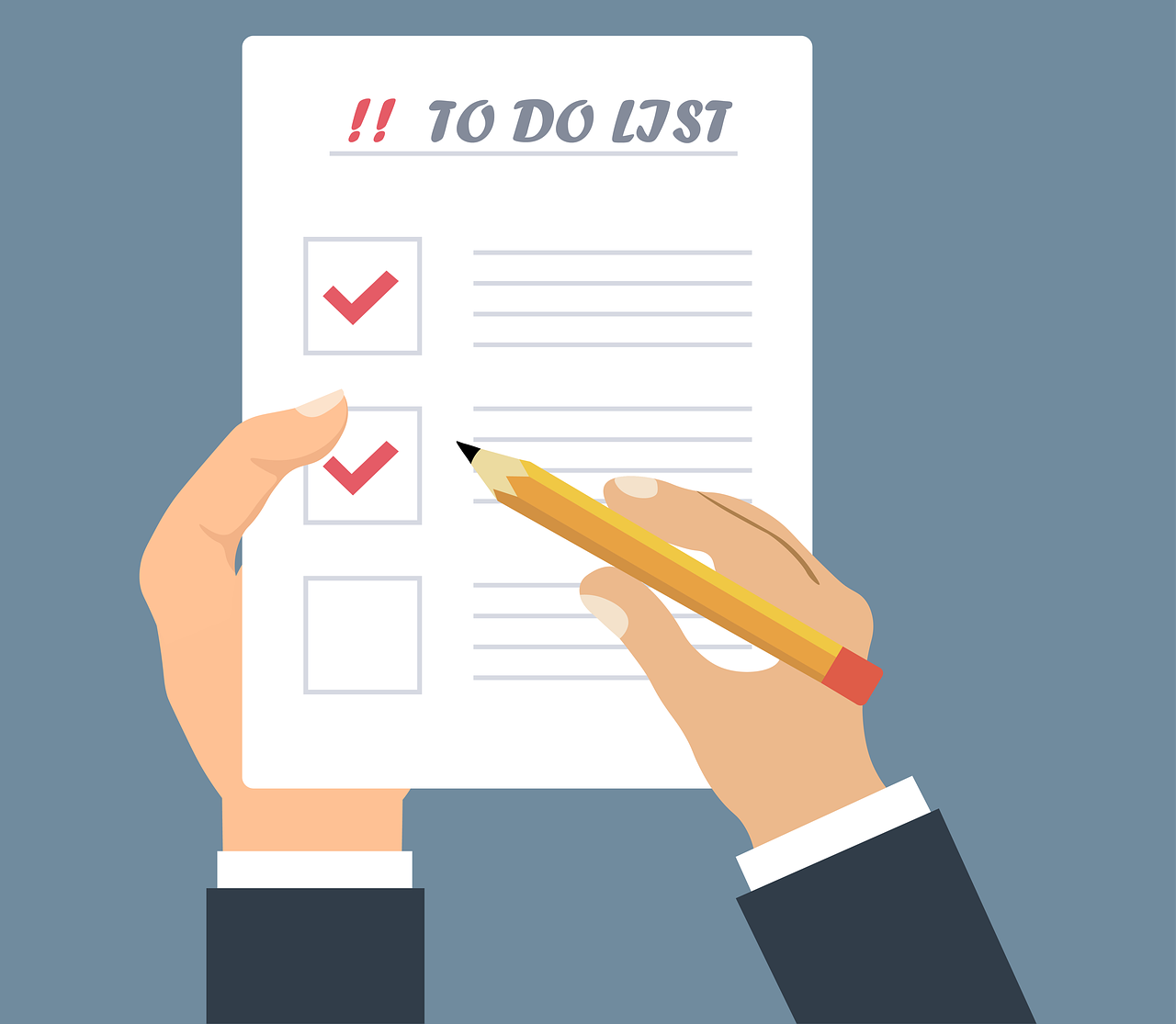
Use this structured checklist to ensure each vital aspect of your event marketing planning is addressed. Engage early with stakeholders, identify your audience, and define clear goals, keeping the overall timeline in focus. Integrate effective promotional strategies tailored to your audience’s preferences. Use data and feedback to navigate your efforts leading up to the event, adjusting as necessary for optimal results. Encourage community interaction and create compelling content around your event. Implement technology where applicable to streamline communication and attendee engagement. Always remember to analyze post-event to refine future strategies. By adhering to this checklist, your event marketing planning will be more organized and ultimately more effective.