
Maximizing Savings with Balance Transfer Cards for Debt Reduction
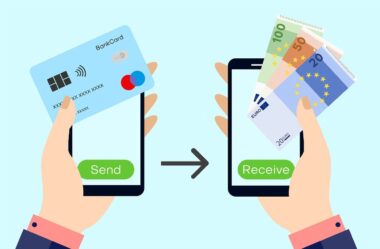
Many individuals struggle with high-interest debt burdening their finances. A popular strategy to reduce this heavy load is the use of balance transfer cards, which can provide significant financial relief. By transferring existing debt from high-interest credit cards to a lower interest rate balance transfer card, you can save on interest, allowing more of your payment to go towards the principal balance. This approach can streamline payments and ultimately lead to paying off debt faster. However, it’s crucial to consider potential balance transfer fees and the duration of the promotional period. Understanding these factors will help you make an informed decision. Moreover, some cards offer 0% APR for a limited time, making it an attractive option for those who intend to pay down their debt efficiently. Be diligent about budgeting and planning for payments that exceed the minimum required to fully leverage this opportunity. Making the most out of balance transfer cards can turn what seems like an overwhelming financial situation into a manageable path towards financial freedom.
Before opting for a balance transfer card, one should assess their current financial situation and ensure that this option aligns with their goals. Start by listing all of your current debts, including interest rates and minimum payments. This overview allows you to determine how much you might save by transferring balances. Research is essential to find the right balance transfer card for you, considering the promotional period length and the transfer fees involved. Most importantly, examine the card’s terms and conditions regarding what happens after the promotional period ends. Thus, a card with no annual fee and a long 0% APR window can mean considerable savings. Once you’ve identified a suitable card, keep in mind that timely payments are vital. Late fees can quickly offset potential savings, undoing any progress made with the card. Utilize budgeting tools or apps to keep track of payments. Outlining a payment strategy will significantly enhance your ability to successfully pay down the debt before the standard interest rates kick in. This proactive approach is critical to maximizing the benefits of balance transfer cards.
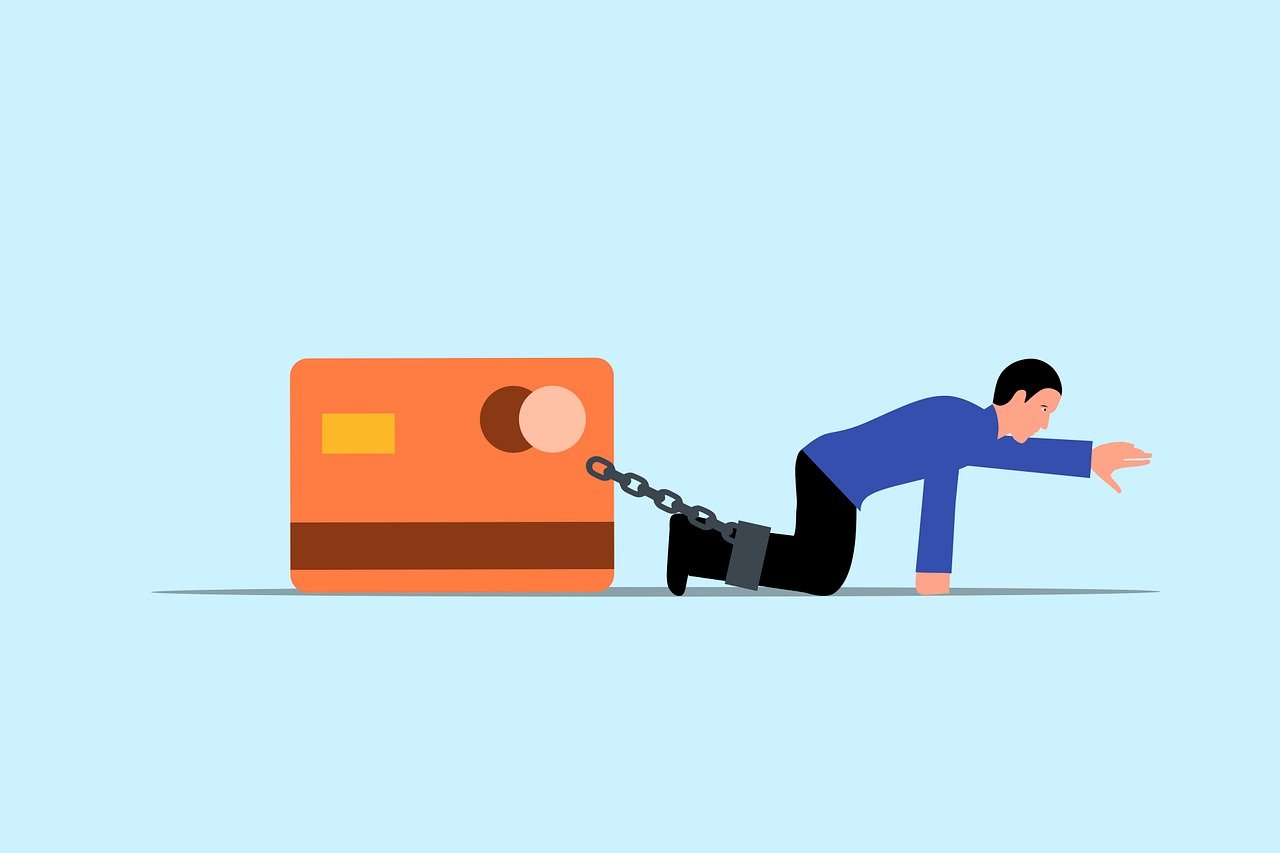
The psychological impact of transferring debt onto a balance transfer card should not be overlooked. Many individuals find that consolidating multiple debts onto one card provides clarity in managing payments. This simplification can lessen the anxiety often associated with juggling multiple creditors and due dates. With just one payment to focus on each month, individuals are less prone to miss payments, which can result in increased fees and complications. Furthermore, seeing a steady decline in the total amount owed can provide psychological incentives to stick to a repayment plan. Not only does this approach help financially, but it can encourage stronger habits surrounding credit management. By cultivating a discipline to pay more than the minimum amount required, you will hasten the journey towards financial health. In this pursuit, track your progress diligently and adjust your strategy as necessary. A good practice is to set small rewards for milestones achieved, enhancing motivation along the way. Using a balance transfer card can thus become part of a larger strategy to reclaim your financial independence.
Understanding Fees and Terms
It’s imperative to understand the various fees and terms associated with balance transfer cards before proceeding. Most notably, there is often a one-time balance transfer fee that can range from 3% to 5% of the transferred amount. This fee can impact your overall savings, so calculate how it affects your strategy before committing. You should also pay attention to the duration of the promotional interest-free period, which can span from six months up to 21 months, depending on the issuer and card. After this period, the regular interest rate may soar, which can lead to further debt if not planned for accordingly. Always read the fine print to understand factors such as the minimum payment requirements and penalties for late payments. Its good practice to consolidate all of your critical financial information before and during this process, as clarity in both costs and savings is essential to successfully navigating debt reduction strategies. Equipped with this knowledge, making an informed decision will be less daunting and amplify benefits.
When utilizing balance transfer cards, it’s crucial to maintain responsible spending habits. Many individuals fall into the trap of accumulating new debt after transferring existing balances to a lower-interest card. This can severely hinder your debt reduction efforts and create a cycle of financial stress rather than alleviating it. To combat this understanding, creating and adhering to a strict budget is vital. Focus on curbing unnecessary expenses and prioritizing payments towards the balance transfer card. Commit to treating the card solely as a tool for debt repayment instead of a means to incur new expenses. Additionally, establish an emergency fund to cover unexpected expenses, reducing the urge to rely on credit cards for new purchases. As you plan your budget, consider utilizing personal finance tools that allow flexible tracking of spending and payments. These tools can help you stay accountable and focused on your debt-free goals. Financial discipline is essential to take full advantage of the benefits provided by balance transfer cards.
Establishing a clear repayment strategy is critical for maximizing the benefits of balance transfer cards. One effective approach is the “avalanche method,” which focuses on paying off high-interest debt first. Alternatively, the “snowball method” involves paying off smaller debts first for quick wins. Determine which method resonates better with you and suits your financial situation. Make regular, above-minimum payments as you progress and target any additional funds towards your balance transfer card. Consider increasing contributions gradually through bonuses or windfalls, which can accelerate debt repayment. Furthermore, set clearly defined goals by breaking down your debt milestones into achievable targets. This can include categories such as paying off a specific dollar amount within each month or quarter. Engaging a financial advisor may also provide insights into fine-tuning your repayment strategy and optimizing your approach for long-term success. As you work through your strategy, maintain visibility through regular progress updates, adjusting as needed. Commitment to your repayment strategy will ultimately dictate the efficacy of employing balance transfer cards.
Seeking Professional Advice
While balancing transfer cards can be extraordinarily beneficial, professional guidance may enhance your debt-reduction journey. Financial advisors or credit counselors can offer tailored advice based on your unique financial situation. They can provide insights related to additional debt management strategies and budget guides that ensure continued progress. Furthermore, they may have access to resources and tools that could propel your debt reduction efforts beyond what you can achieve independently. When evaluating a counselor or advisor, ensure they are reputable and check for credentials like certifications from accredited organizations. User reviews may also inform your decision. A solid financial educational background may also enhance the effectiveness of their advice. When engaging with a finance professional, don’t hesitate to ask questions, particularly regarding their methods and whether they align with your financial goals. It may also be invaluable to create a clear action plan based on your discussions with them. Balancing expert insights with personal dedication will increase your empowering journey towards financial freedom.
In conclusion, balance transfer cards can be a powerful tool for individuals striving for debt reduction. They offer a unique avenue to manage high-interest debts and create more manageable payment plans. However, awareness of the associated terms, fees, and the importance of disciplined spending is vital to their success. Embarking on the journey of debt reduction with a sound strategy will heighten opportunities for significant savings and ultimately establish strong financial health. Monitor your progress consistently and adjust your approach as circumstances change. Connect with experts who can guide you through this financial landscape if needed. The right mindset and deliberate actions can lead to financial freedom and improved credit scores. Stay focused on your end goal: a debt-free life where financial stability is not just a dream but a reality. As you refine your strategies and maximize savings through balance transfer cards, the possibilities become endless. Celebrate small wins as motivation throughout this journey. A proactive approach can significantly change your financial future for the better.