
Cross-Channel Mobile Marketing Approaches for Events
Mobile event marketing strategies are essential in the current digital landscape where event attendance increasingly relies on technology. One effective approach is to utilize a multi-channel strategy that includes mobile applications, social media, email marketing, and SMS notifications. By integrating these channels, it ensures that event marketers can reach their audience effectively. Mobile applications tailored for events can enhance engagement by offering features like agendas, speaker information, and networking opportunities. Social media platforms provide a vast audience where marketing campaigns can go viral if executed correctly. This combination fosters a seamless flow of information across platforms, increasing brand visibility and participation. Consistent messaging across channels, coupled with strong visuals, creates a cohesive experience that people remember. Marketers should leverage user-generated content through social interactions to amplify reach. For instance, creating hashtags or contests encourages attendees to share their experiences and can draw more attention to the event. The blend of traditional and modern approaches is indispensable for enhancing overall attendee experience and satisfaction while optimizing marketing budgets more efficiently.
Another effective mobile marketing strategy includes the use of push notifications through dedicated event apps. These notifications can remind attendees of upcoming sessions, share important updates, and even provide last-minute changes in scheduling. This strategy not only improves engagement but also ensures that attendees are well-informed throughout the event. Furthermore, incorporating interactive features within the mobile app, such as live polling or Q&A sessions, enhances audience participation and feedback. By engaging massively through app features, marketers can keep the excitement alive and can measure the success of these strategies through data analytics. To make these push notifications even more effective, they should be personalized based on attendee interests and behaviors. This tailored approach encourages a higher open rate, which correlates with better attendee satisfaction and retention. Moreover, post-event feedback gathered through the app can enhance future marketing efforts and improve event planning. Therefore, utilizing push notifications is a vital part of a comprehensive mobile event marketing strategy that not only informs but also engages attendees in meaningful interactions.
Leveraging Social Media in Mobile Strategy
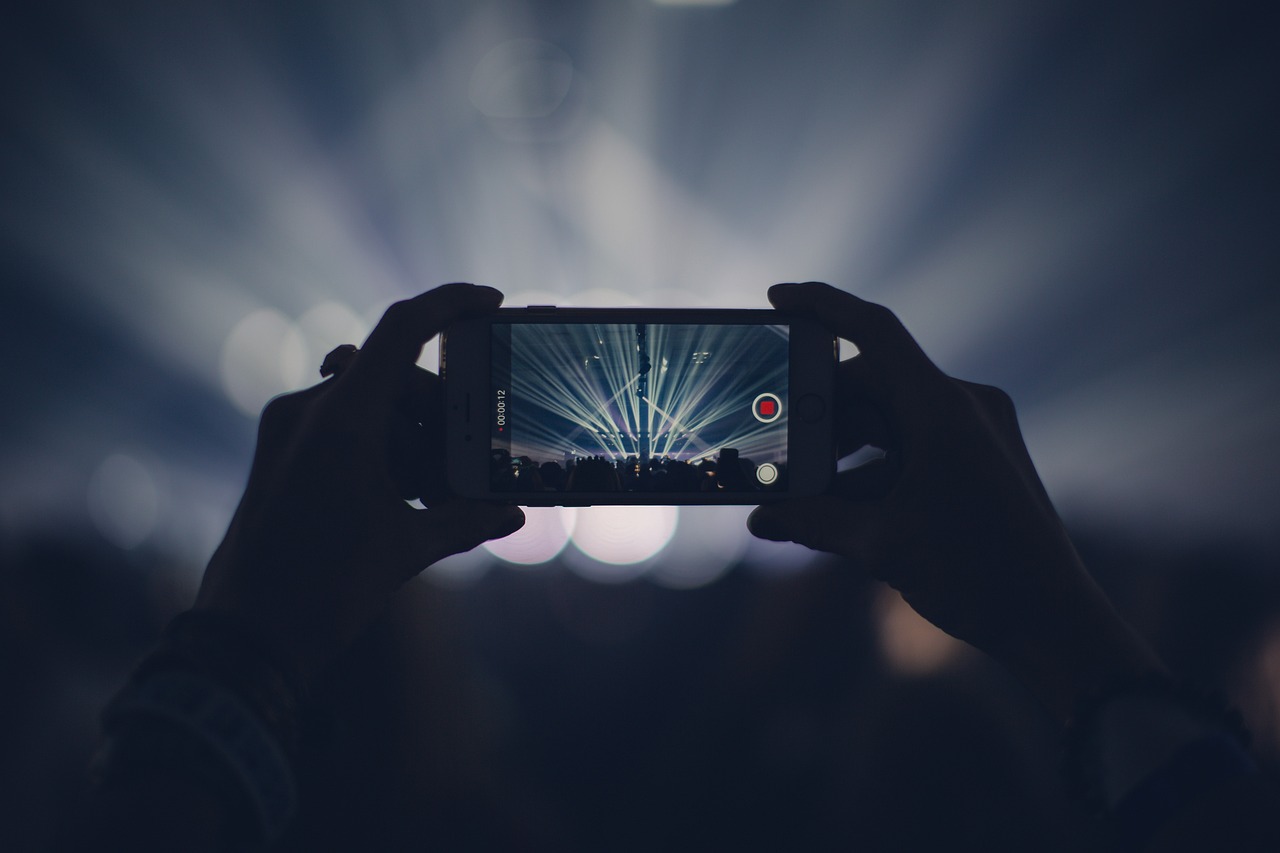
Social media platforms are vital tools that can enhance mobile event marketing strategies significantly. Marketers can integrate social media into event promotions to increase reach and participation rates. Live streaming on platforms like Instagram and Facebook during the event can engage those who cannot attend. Encouraging hashtag use and sharing moments will foster a community feeling, generating buzz around the event. Additionally, pre-event promotion using teaser content can build anticipation and excitement among potential attendees. When people see friends engaging with events on their feeds, they are more likely to participate. Creating shareable content, whether it be videos or engaging graphics, can lead to organic marketing through social shares, amplifying reach beyond paid promotions. An effective strategy could involve collaborating with influencers and spokespeople relevant to the event’s theme to maximize visibility. Influencers can showcase their attendance and endorse the value of the experience. Thus, social media is not merely an auxiliary tool but a fundamental aspect of a well-rounded mobile marketing strategy, crucial for achieving desired marketing goals.
The integration of augmented reality (AR) features in mobile apps can vastly enhance the attendee experience at events. AR provides opportunities for interactive elements where attendees can explore the event space in unique and engaging ways. This can include virtual tours of exhibitions or special interactive presentations, which capture the interest of a younger, tech-savvy audience. Employing AR fosters a more immersive experience by blending the physical and digital worlds. This level of engagement encourages attendees to share their experiences on social media, driving organic reach and visibility for the event. Furthermore, AR functionalities can be used for gamification, where attendees can participate in challenges or treasure hunts throughout the event, incentivizing involvement and providing rewards. Additionally, analyzing the data gathered through AR interactions helps marketers understand attendee preferences and can inform future event strategies. To successfully implement this, a clear plan is necessary, ensuring that the technologies used are accessible and user-friendly. Ultimately, AR integration is an innovative approach that can make events memorable, facilitating deeper connections among attendees.
Email Marketing as a Tool
Email marketing, though traditional, remains a powerful tool for mobile event marketing. It allows for direct communication with target audiences, ensuring personalized content that resonates with potential attendees. A well-structured email campaign can create excitement, sharing essential details like guest speakers, schedules, and topics being covered. Marketers should adopt a segmented approach, tailoring messages to different audiences, ensuring relevancy and increasing the likelihood of engagement. For example, sending exclusive early bird tickets to previous attendees can imbue a sense of belonging and incentive to register early. Additionally, reminders leading up to the event can keep it top-of-mind, along with follow-up emails post-event urging attendees to provide feedback. Including visually appealing elements and mobile optimization in email designs enhances user experience, especially for those checking emails on their smartphones. Automating email campaigns allows marketers to efficiently manage timing and content delivery. A well-executed email strategy can lead to improved registration rates and attendee retention, making it an indispensable element of a comprehensive mobile event marketing strategy.
Mobile event marketing strategies can be further elevated by utilizing SMS marketing effectively. By sending timely text messages to attendees, marketers can keep individuals updated about session changes or special announcements. This method is particularly useful as it taps into the immediacy of mobile communication, ensuring attendees receive real-time updates. Moreover, SMS campaigns can be used for reminders regarding registration deadlines, ensuring that potential attendees don’t miss out on early bird rates. Offering exclusive information or discounts via SMS can also entice people to sign up or engage with event activities. Additionally, implementing a keyword-based opt-in system allows attendees to choose what types of messages they want to see, improving satisfaction rates. A major advantage of SMS is that texts have a significantly higher open rate than emails, ensuring that your messages reach your audience promptly. This strategy dovetails nicely with other mobile marketing tactics to create a cohesive communication strategy. Therefore, embracing SMS marketing in mobile event marketing is essential for maximizing outreach and engagement, enhancing the overall event experience.
Measuring Success in Mobile Marketing
Finally, measuring the effectiveness of mobile event marketing strategies is crucial for ensuring ongoing success. Analytics provide marketers insights into attendee behavior and engagement levels, offering invaluable data to adjust future campaigns. Key performance indicators (KPIs) should focus on metrics such as registration numbers, session attendance, and app engagement rates. By analyzing which aspects of the marketing strategy led to the highest levels of engagement, marketers can make informed decisions about future events. Additionally, collecting attendee feedback through surveys can reveal the emotional impact and satisfaction levels of participants. Post-event reports should reflect data-driven insights that could guide future marketing initiatives. It is essential to adapt and refine strategies based on concrete data and feedback. Employing various analytic tools can streamline this process, allowing marketers to focus on effectiveness and optimization. Ultimately, a robust evaluation strategy is necessary to ensure you’re not only meeting goals but surpassing them, allowing for continuous improvement in event marketing efforts. Balancing creativity with data analytics will result in enriching event experiences, meeting both attendee expectations and organizational objectives.
In conclusion, applying cross-channel mobile marketing insights within event marketing strategies leads to a holistic approach to engage attendees effectively. Marketers must embrace integrated methods, leveraging mobile apps, social media, email, SMS, and innovative technologies like AR. Creating cohesive messaging boosts visibility and excitement while collective engagement fosters memorable experiences. It is essential to remain adaptive to the changing technologies and preferences of the audience, ensuring the marketing efforts align with audience expectations. Furthermore, measuring success through relevant metrics while soliciting attendee feedback helps refine future strategies. As event marketing evolves, adept use of mobile technologies will help organizations enhance attendee experiences and drive growth. Overall, crafting experiences that create emotional connections with attendees is the ultimate goal. Marketers should continually innovate and test new approaches to stay competitive in this dynamic landscape. As the industry moves into the future, prioritizing mobile strategies will be instrumental in achieving organizational success during events. With a well-executed mobile marketing strategy, events can flourish, engaging attendees meaningfully while building lasting relationships.