
The Role of Credit Scoring in BNPL Approval Processes
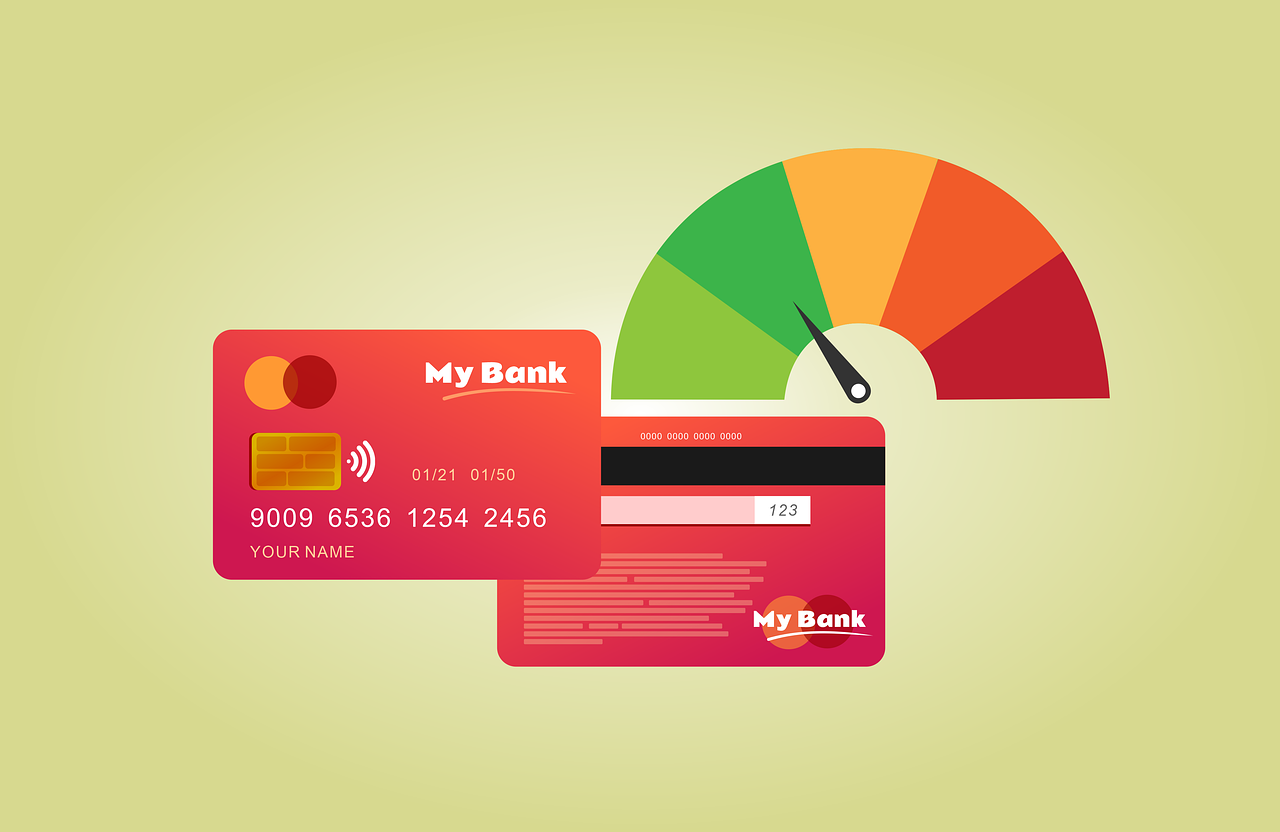
Buy Now Pay Later (BNPL) services have surged in popularity, offering consumers flexibility in payment options. Central to the approval process for these services is the concept of credit scoring. Within this context, credit scores act as vital indicators of a borrower’s reliability and potential risk. Firms that provide BNPL services assess the credit scores of applicants to determine whether approving a payment plan is prudent. This practice provides insights for lenders, enabling them to gauge a consumer’s creditworthiness swiftly. Nevertheless, many BNPL providers utilize alternative data points alongside traditional credit scores. This is particularly beneficial for consumers with limited credit histories, like young adults. These alternative metrics can encompass income details, spending patterns, and even social media behaviors. By employing a broader range of data, BNPL services aim to enhance the approval process while simultaneously expanding access to credit. This balance facilitates lending to a wider consumer base while mitigating risk for providers. As the BNPL landscape evolves, understanding the intricacies of credit scoring will become increasingly paramount for participants in this burgeoning market.
Credit scores traditionally stem from reports generated by major credit bureaus, such as Equifax, Experian, and TransUnion. For many BNPL providers, however, the reliance on these scores is evolving. The emphasis is shifting towards integrating various data sources to facilitate more accurate assessments. This approach involves analyzing elements like transaction histories and previous loan repayment behaviors. As a result, the approval process can become streamlined, adapting to the fast-paced nature of online shopping. Many consumers appreciate the convenience of BNPL, yet they may not fully understand the underlying mechanisms. It’s essential for these services to maintain transparency, ensuring that users grasp how their data influences approval decisions. Clarity in operations breeds trust among consumers, incentivizing them to engage further with BNPL offerings. Engaging promotional strategies can also enhance understanding while fostering responsible borrowing habits. Educating consumers about credit scoring implications can offer life-long benefits for financial decision-making. In this milieu, collaboration between fintech companies and educational institutions could cultivate informed users, effectively merging technology with financial literacy.
The Impact of Credit Scores on BNPL Outcomes
In the BNPL approval landscape, credit scores significantly shape not only approval rates but also the terms of services provided. Lower credit scores typically lead to stricter conditions, including higher interest rates or lower transaction limits. This reality can marginalize borrowers who may genuinely require assistance but are penalized due to their limited credit history. BNPL providers increasingly recognize the need to address this imbalance by offering tailored solutions catering to diverse consumer segments. Such solutions encompass graduated repayment plans, grace periods, and flexible scheduling options. Additionally, by implementing features that allow users to build or improve their credit scores, BNPL services can empower customers. This capability would encourage responsible financial behavior while simply broadening access to credit opportunities. Furthermore, regulatory scrutiny remains a prevalent concern, as the BNPL sector faces pressure to uphold fair lending practices. In addressing these challenges, providers can foster sustainable growth while ensuring their operations remain compliant and ethical. Ultimately, beneficiaries stand to gain from a well-regulated environment promoting fair treatment across various credit profiles.
As BNPL services proliferate, the adoption of advanced technologies will play an essential role in credit scoring. Artificial intelligence (AI) and machine learning algorithms can greatly enhance assessment accuracy. By analyzing vast datasets beyond traditional credit reports, these technologies can identify patterns and trends indicative of creditworthiness. For instance, a potential borrower exhibiting consistent purchasing behavior, even with a sparse credit history, might prove to be a lower risk than initially presumed. Consequently, BNPL providers can afford to grant approval under more favorable conditions. Regulatory authorities are beginning to recognize the potential benefits of leveraging technology in shaping the future of finance. This creates opportunities for open discussions about consumer protection and access considerations in the evolving BNPL landscape. Despite the advancements, it remains crucial that consumer education aligns with technological development. Users must be made aware of how emerging technologies affect their borrowing decisions and their long-term credit profiles. Amplifying awareness contributes to their empowerment within the financial ecosystem, ensuring that the growth of BNPL services serves its intended purpose of enhancing consumer experiences.
Challenges in Credit Scoring Transparency
Despite the advancements and potential benefits of integrating alternative data into credit scoring, challenges remain. Primary among these is ensuring transparency throughout the evaluation process. Consumers might not fully comprehend how their data is interpreted or what criteria BNPL providers consider most significant. This lack of understanding can deter consumers from participating and fostering anxiety or distrust towards BNPL services. Therefore, establishing transparent and user-friendly communication becomes vital. To bridge knowledge gaps, it is imperative for providers to offer easy-to-understand resources illuminating the credit scoring process. Educational initiatives could encompass webinars, articles, and interactive tools that visually demonstrate how credit decisions materialize. Moreover, enhancing user interfaces on BNPL platforms can provide customers with greater insights into their lending decisions. Not only does this foster trust, but it empowers consumers to manage their financial behavior proactively, equipping them to improve their credit standings over time. Collaborative efforts between BNPL platforms and credit education organizations can cultivate an ecosystem grounded in trust, accountability, and informed consumer choices.
The future trajectory of BNPL and its credit assessment practices is undeniably intertwined. As the industry undergoes significant transformations, it is essential for financial technology companies to remain adaptable while prioritizing ethical considerations. The role of credit scoring in BNPL will increasingly focus on enhancing opportunity for underserved populations while ensuring responsible lending. Moreover, regulatory entities may introduce frameworks governing credit assessments, primarily emphasizing fairness and inclusion. The evolution of credit scoring will likely lead to improved access and outcomes for consumers who previously faced barriers, granting them pathways to financial empowerment. For instances, individuals may benefit from credit products tailored to their specific needs, ultimately driving financial well-being. As these developments unfold, collaboration among stakeholders will be paramount to shaping the future of credit scoring in the BNPL landscape. By working cohesively, stakeholders can ensure that credit assessment becomes a tool for justice rather than a barrier to access. This collaborative approach will allow the BNPL sector to maximize its potential while fostering inclusive growth within the broader financial ecosystem.
Conclusion
In conclusion, the significance of credit scoring in the BNPL approval process cannot be overstated. The shift towards integrating alternative data sources signifies a promising evolution, enhancing assessment accuracy while empowering underserved consumers. Nonetheless, adherence to transparency remains paramount, ensuring consumer trust and understanding. Bridging gaps in financial literacy will ultimately improve the relationship between borrowers and BNPL providers. Looking ahead, technological advancements and regulatory landscapes will shape the future of credit assessments. Stakeholders must remain vigilant, continuously adapting to meet emerging challenges while emphasizing ethical lending practices. By prioritizing inclusive growth, financial technology companies can expand access to credit while promoting positive behavioral changes. Moreover, ongoing collaboration between fintech entities and consumers will be essential in developing a fairer financial ecosystem. This collaborative effort can drive lasting transformations in BNPL services, offering significant benefits to consumers and fostering financial well-being. As the market continues evolving, the role of effective credit scoring practices will undoubtedly prove pivotal in shaping successful BNPL frameworks that uphold fairness, efficiency, and accessibility.
As we embrace a dynamic future for BNPL, ongoing strategic innovation can pave the way for sustainable growth in a competitive marketplace.