
Branding Yourself as an Industry Expert to Increase Sales
Personal branding is crucial in today’s competitive market, especially in sales roles. It allows sales professionals to distinguish themselves from competitors and emerge as trustworthy leaders in their field. To effectively build your personal brand, start by identifying your unique value proposition: what skills, experiences, or knowledge do you possess that set you apart? This step is foundational in defining how you will present yourself. Social media platforms like LinkedIn provide an invaluable space to showcase your expertise. Ensure that your profiles are up-to-date with your latest achievements and insights. Regularly sharing industry-related content, engaging with followers, and participating in discussions can help solidify your position as an expert within your niche. Keep in mind that being authentic is essential; don’t just share what you think people want to hear, but rather, stay true to your beliefs and knowledge. Additionally, consider creating a personal blog or website, where you can delve deeper into your expertise and share valuable insights. This not only complements your social media presence but also enhances your credibility in the industry. Adopting these strategies effectively builds trust, leading to increased sales opportunities.
Another vital element of personal branding is networking. Building and maintaining relationships within your industry can exponentially increase your visibility. Attend industry-related events, webinars, and conferences to network with peers and potential clients. Each interaction offers a chance to showcase your knowledge and personality, reinforcing your brand as an expert. Don’t hesitate to follow up with new contacts after meetings or events; a simple email expressing your appreciation can leave a lasting impression. Joining professional organizations or groups related to your field can also provide valuable resources, connections, and support to further develop your brand. Consider offering to speak at workshops or seminars, as this not only establishes your authority but also allows you to share your insights and connect with a larger audience. Utilize platforms like Meetup or Eventbrite to find local gatherings that cater to your interests and expertise, amplifying your brand’s reach. Lastly, remember that personal branding is not a one-time effort; it requires ongoing updates to your strategies, messages, and interactions. Consistency in your branding efforts yields trust and reliability among potential clients, leading to fruitful sales results.
Establishing Credibility and Authority
Establishing credibility and authority is fundamental in personal branding. To accomplish this, focus on becoming an informed and trusted source in your niche. Regularly consume and share informative content related to your industry; merging your insights with news can position you as an authority. Consider writing articles for industry publications or guest posting on relevant blogs to increase your visibility and validate your expertise. Joining discussions on social media platforms and forums can help you interact meaningfully with your audience. Another effective method is obtaining relevant certifications or training, showcasing your commitment to learning and growing in your field. Sharing your journey in acquiring these credentials can resonate with your audience, enhancing their trust in your expertise. Furthermore, ask satisfied clients for testimonials or endorsements, as social proof can greatly influence potential buyers. Incorporating these elements into your branding strategy will enhance your reputation as an industry expert, leading to increased leads and conversions. You should consistently evaluate your branding strategies to ensure you present yourself authentically while maintaining relevance in a rapidly changing market landscape.
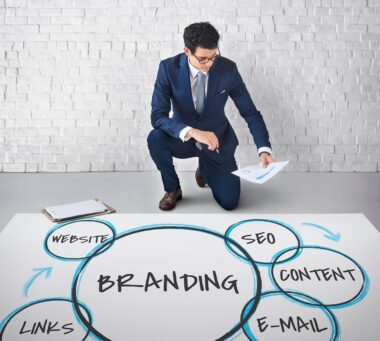
Building a powerful online presence is crucial for shaping your personal brand. Your website or blog should serve as your online home, offering visitors insights into your expertise and experiences. Use it to publish case studies, success stories, and informative articles that resonate with your target audience. Optimize your content for search engines by using relevant keywords to ensure potential clients can easily find you online. Additionally, creating a professional email newsletter can help you maintain engagement with your audience by regularly providing valuable insights and updates. Social media platforms are equally essential; use them to share your content, connect with industry leaders, and participate in conversations. Be consistent in posting updates and interacting with your audience to keep your profile lively and engaging. Visual branding elements, such as logos and color schemes, should be thoughtfully designed for a cohesive look across all platforms, reinforcing your professional identity. Adopting a multi-channel approach ensures your message reaches both a broader audience and engages them uniquely, ultimately leading to stronger connections and increased sales opportunities.
Content Creation and Sharing
Creating high-quality content is key to solidifying your personal brand. Focus on producing valuable, relevant, and informative content that resonates deeply with your target audience. Whether it’s blog posts, videos, podcasts, or infographics, consistency is paramount. Utilize a content calendar to schedule posts, ensuring you remain organized and maintain a steady flow of communication. Share insights about trends, challenges, or opportunities in your industry to establish yourself as an informed voice. Collaborating with influencers or industry experts can also expand your reach, allowing you to tap into new audiences. Use engaging storytelling techniques to present your ideas and experiences, making your content relatable and memorable. Seek feedback from your audience to refine and improve your content strategy continually. Incorporate user-generated content, such as testimonials or success stories, to add authenticity and value to your brand’s narrative. Additionally, don’t overlook the power of visual content; using images, graphs, and videos can enhance engagement and convey your message effectively. By implementing a robust content strategy, you position yourself as a credible authority, paving the way for enhanced sales potential.
Another aspect of personal branding lies in evaluating and adjusting your strategies. The market trends and dynamics can shift rapidly, requiring you to stay adaptable and responsive. Regularly analyze your online presence and branding efforts to ensure they align with your goals. Tools like Google Analytics can provide insights into your audience’s behavior and preferences, helping you refine your content and approach. Consider conducting surveys or polls to gather direct feedback from your audience about your brand message and offerings. This engagement not only builds rapport with your followers but also provides you with valuable insights to enhance your branding strategy. Adjust your messaging to reflect the evolving needs of your target audience, ensuring you stay relevant and continue to resonate with potential clients. Furthermore, keep an eye on competitors to learn from their strengths and weaknesses, adapting your strategies accordingly. Don’t hesitate to experiment with new tools, trends, or platforms, as innovation can provide a distinct advantage. The key to successful personal branding is agility and continuous improvement, leading to a sustainable increase in sales opportunities.
Conclusion: The Ongoing Journey of Personal Branding
In conclusion, branding yourself as an industry expert is an ongoing journey that requires commitment and strategic effort. By establishing a strong personal brand, you not only elevate your credibility but create meaningful connections with your audience. The combination of effective networking, credible online presence, high-quality content creation, and flexibility to adapt will set you apart in the competitive sales landscape. Always prioritize authenticity and value in conveying your expertise to resonate with potential clients effectively. Remember that personal branding is not just about self-promotion, but rather about building trust and delivering value to those you serve. As you develop your personal brand, continually invest time and resources into your growth and learning, as this will reflect positively in your sales efforts. Stay updated on industry trends, and be willing to share your insights generously. The relationships you foster through personal branding can lead to increased sales and loyalty from clients. Ultimately, a strong personal brand is a powerful asset that can open doors and provide a competitive edge in your sales journey.
With the right strategies, anyone can effectively brand themselves in order to stand out in the sales industry. Each of these steps contributes to the larger goal of establishing a unique and recognizable industry presence. As you embark on this journey, focus on clarity in your messaging, consistency in your efforts, engagement with your audience, and a willingness to adapt and evolve. Invest in yourself, and the results will likely lead to success.