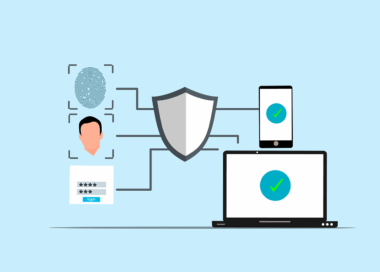

Maintaining Data Accuracy While Ensuring Privacy in CRM
Customer Relationship Management (CRM) systems play a crucial role in managing customer data and interactions. However, while utilizing these systems, businesses face the challenge of ensuring data accuracy and maintaining customer privacy simultaneously. Data accuracy is vital for effective communication and decision-making, yet it remains essential to protect sensitive information. Organizations must implement robust procedures to verify that the data collected is correct, complete, and up-to-date. It is important to educate employees about the significance of inputting accurate information and understanding privacy protocols. Frequent audits and data verification processes can help identify inaccuracies before they escalate into bigger issues. Furthermore, leveraging technology such as automated data cleansing tools can significantly reduce human error in data entry and maintenance. In addition, utilizing encryption methods ensures that customer data remains protected even if unauthorized individuals attempt to access it. Combining effective data management with the right security measures creates a balanced environment where businesses can focus on relationship building without compromising customer trust and privacy.
To maintain data accuracy, businesses should also consider the importance of obtaining customer consent when collecting and storing personal information. Clear communication regarding how data will be used fosters trust and reinforces the willingness of customers to share information. CRM systems can incorporate features that allow customers to review their details and make necessary changes, which not only enhances data accuracy but also puts customers in control of their personal information. This autonomy is vital in today’s landscape where consumers are increasingly cautious about their privacy. Moreover, businesses must navigate various regulations such as the GDPR and CCPA, which impose legal obligations on how customer data should be handled and protected. Non-compliance can lead to severe penalties, thus necessitating an integrated approach towards data stewardship in CRM practices. Therefore, organizations need to be diligent in training staff about compliance requirements and best practices relating to data management. Such initiatives can enhance data accuracy while ensuring adherence to privacy laws, thus establishing a more trustworthy and robust CRM framework that serves both the organization and its customers.
Utilizing Technology for Data Management
Leveraging advanced technologies plays an essential role in improving data accuracy within CRM systems. Artificial intelligence and machine learning can automate data entry processes, significantly reducing human error and increasing efficiency. By analyzing patterns, these technologies can identify discrepancies and suggest corrections, ensuring that data is always reliable and up-to-date. Additionally, predictive analytics can assist businesses in anticipating customer needs based on accurate information, ultimately enhancing customer satisfaction and engagement. Integrating data from various sources can also create a more comprehensive view of customer interactions. Companies must invest in technology that not only secures data but also promotes seamless accessibility for authorized users. Furthermore, cloud-based CRM solutions provide flexibility and scalability, enabling organizations to manage vast amounts of data without compromising on security. However, with increased dependence on technology, it becomes crucial for businesses to conduct regular risk assessments to identify potential security vulnerabilities. Ultimately, the right technology combined with effective security measures enables companies to maintain data accuracy while upholding privacy commitments.
Data governance frameworks are fundamental in maintaining the balance between data accuracy and privacy in CRM systems. Establishing guidelines that dictate how data should be collected, managed, and protected serves as a roadmap for organizations. This includes defining roles and responsibilities for data handling, ensuring that every employee understands the significance of their contributions in keeping data precise. Implementing multifactor authentication for accessing sensitive information strengthens security protocols and prevents unauthorized access. Moreover, the framework should encompass regular training and awareness programs to keep employees informed about evolving privacy concerns and data management practices. Stakeholders must regularly review and update these governance structures to adapt to new challenges and regulatory changes. By fostering a culture of accountability and vigilance, businesses can improve their data accuracy initiatives while safeguarding customer privacy. Collaboration with external experts and compliance specialists may also aid in refining these governance frameworks, ensuring that they are comprehensive and effective. Through diligent governance practices, organizations can reinforce customer trust while maintaining the integrity of their CRM systems.
The Role of Customer Feedback
Customer feedback is invaluable for enhancing data accuracy and upholding privacy in CRM practices. Actively soliciting feedback from customers can reveal inaccuracies or gaps in the information collected. Businesses should establish accessible channels through which customers can provide their input, such as surveys or direct communication through the CRM platform. Promptly addressing feedback demonstrates a commitment to accuracy, which can reinforce customer loyalty. Furthermore, implementing customer suggestions can lead to improved data collection processes, thus optimizing the overall CRM system. Transparency is also crucial in this process; customers must be informed about how their feedback will be utilized and ensure their privacy is preserved. Clear privacy policies should accompany any data collection efforts, allowing customers to feel secure in sharing their insights. Utilizing anonymization techniques can also protect individual identities when analyzing feedback for trends or patterns. By valuing customer input, businesses can refine their practices and improve the overall quality of data, leading to enhanced customer relationships and satisfaction.
Regular audits and assessments of CRM data are imperative for ensuring ongoing accuracy and compliance with privacy standards. Organizations should schedule time for thorough examinations of their customer databases, identifying outdated, incorrect, or redundant entries that may distort the accuracy of customer insights. Employing automated auditing tools can streamline this process, providing real-time monitoring and alerts for any anomalies. Additionally, assigned data stewards or teams can oversee the integrity of data, ensuring adherence to governance frameworks. Beyond audits, companies must stay updated on the latest privacy laws and security threats to adapt their practices accordingly. Implementing a proactive strategy for data management not only mitigates risks but also enhances overall operational efficiency. As part of this strategy, businesses should continuously review their data collection, storage, and management practices to align with evolving standards. Periodically revisiting these protocols creates an adaptive environment that can maintain data accuracy while respecting customer privacy. Consistent efforts in this direction position organizations as leaders in ethical CRM practices, ultimately yielding long-term benefits.
Building Trust Through Transparency
Establishing trust with customers is essential in today’s market where privacy concerns are paramount. Businesses can build this trust by being transparent about their data practices and policies. It is crucial to communicate clearly how customer data will be used, who will have access to it, and the measures taken to protect that information. Creating detailed privacy policies and accessible FAQs can guide consumers, helping them understand their rights and choices regarding their data. Furthermore, organizations should promote open dialogues through customer service channels about any concerns regarding privacy and data accuracy. By encouraging customers to ask questions and vocalize concerns, businesses demonstrate their commitment to their clients. Regularly publishing updates about changes in data handling practices or privacy laws can also reinforce transparency and foster customer trust. Additionally, certifications or compliance badges can further authenticate a company’s dedication to protecting customer information. Trust not only enhances customer loyalty but also positions a company favorably in the marketplace, especially as consumer awareness of data privacy continues to evolve.
In conclusion, maintaining data accuracy while ensuring privacy in CRM systems is a multifaceted challenge that businesses cannot overlook. Implementing a strategic approach that includes technology, governance, customer feedback, and transparency is essential for success. Companies must not only focus on collecting accurate data but also be vigilant in protecting that data from unauthorized access or misuse. Educating employees on data management processes and compliance guidelines further enhances accuracy and safeguards customer information. Embracing customer feedback not only provides insights into improving practices but also reinforces trust between businesses and clients. Regular audits and assessments facilitate the identification of inaccuracies and ensure adherence to privacy standards. By fostering an organizational culture that prioritizes data integrity and privacy, companies can cultivate stronger relationships with their customers. Ultimately, a balanced focus on accuracy and security will lead to more meaningful interactions, enhanced customer satisfaction, and long-term loyalty.