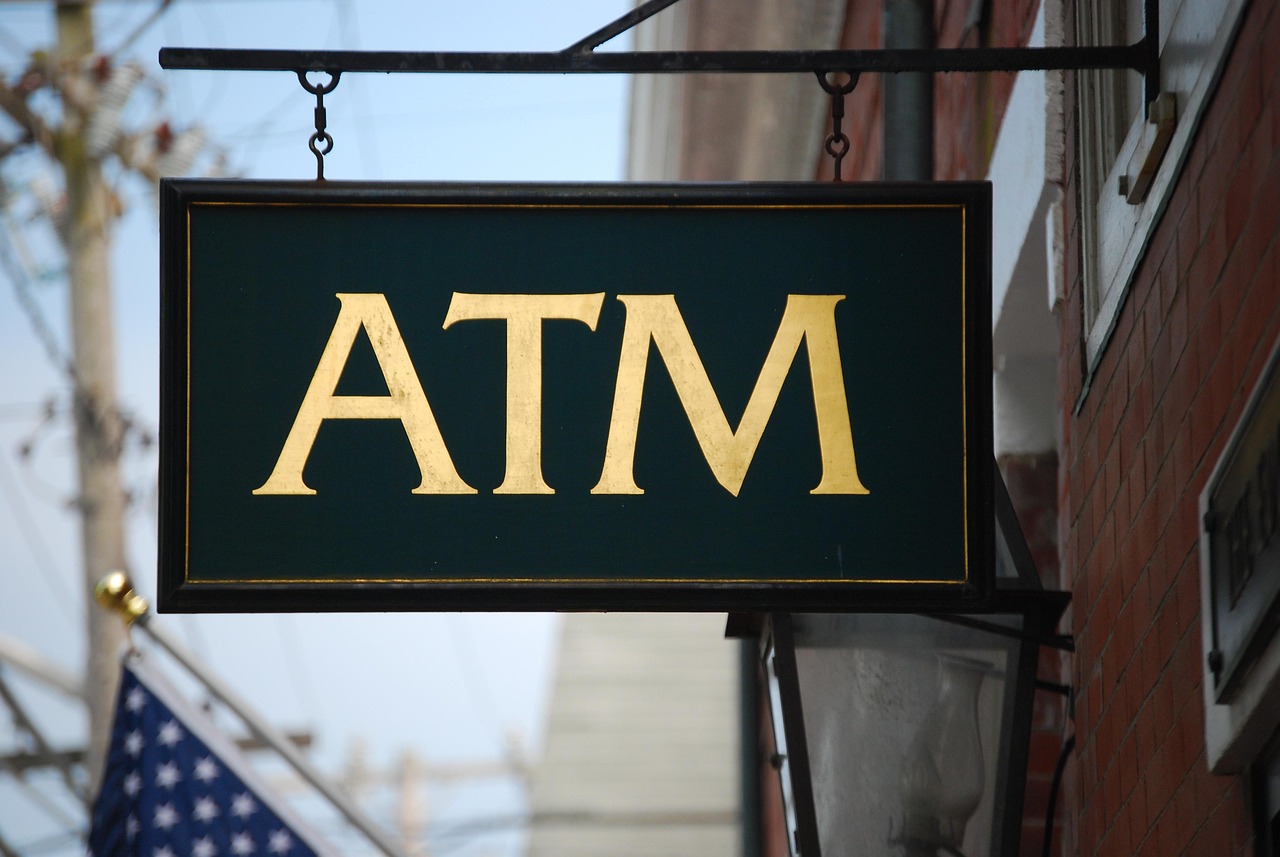

How Smart ATMs are Transforming the Banking Experience
The evolution of banking technology has ushered in a new era, with Smart ATMs leading the charge. These advanced kiosks not only dispense cash but also provide a broad range of services traditionally offered only in branches. With a simple, intuitive interface, users can perform transactions such as transfers, bill payments, and even investment account management. Enhanced connectivity and integration with online banking platforms are among the core benefits of Smart ATMs. As a result, customer engagement has increased significantly. Institutions adopting these technologies are witnessing satisfaction boosts as clients appreciate flexibility, speed, and convenience. Moreover, enhanced authentication methods improve security measures, addressing common concerns regarding ATM fraud. Smart ATMs can also offer personalized financial advice based on individual customer profiles, leading to more tailored banking experiences. This shift marks a transformative moment for banking and consumers alike. As technological advancements continue, it is likely that institutions will invest further in Smart ATM programming, reflecting emerging consumer needs. The landscape of financial transactions is changing dramatically, and Smart ATMs are at the forefront of this transformation.
In addition to basic functionalities, Smart ATMs incorporate state-of-the-art technology, including AI algorithms. These algorithms allow the machines to learn from user behavior, optimizing services and transaction pathways over time. Institutions can remotely monitor these ATMs to ensure they are functioning efficiently and assess usage patterns. Furthermore, Smart ATMs are designed with multifunctionality in mind; they support services like check deposits and account verification, making them an indispensable part of modern banking. This proliferation of capabilities is not merely a marketing tactic but a strategic response to the evolving demands of tech-savvy consumers. By offering varied services in one location, Smart ATMs help reduce long queues at traditional bank branches. This transformation encourages customers to choose self-service options, promoting a more comfortable and faster banking experience. Customers can thus focus on other priorities rather than waiting in line for basic transactions. Overall, the technological advancements integrated into Smart ATMs underscore their value in contemporary banking landscapes. They epitomize convenience and efficiency, thus revolutionizing customer interactions with financial services.
Enhanced Customer Interactions
Another remarkable feature of Smart ATMs is their capacity for real-time customer interactions. With built-in video capabilities, users can connect with bank representatives for assistance without having to visit a branch. This innovative interaction method supports a more personal approach tailored to individual needs. A client can discuss their queries in real-time, making hurdles or misunderstandings easier to navigate. The integration of AI chatbots further enhances these interactions, offering instant solutions or guidance even during off-peak hours. Thus, customers feel valued and understood, promoting a positive perception of the banking institution. Additionally, the ability to easily access financial advice serves to empower consumers in their financial decisions, whether that be investment options or budgetary advice. This proactive approach enhances user satisfaction while also promoting financial literacy. Consequently, adopting these advanced interfaces can differentiate banks in competitive markets. Smart ATMs exemplify how innovative technology can bolster not only transaction efficiency but also overall customer relationships. They represent the perfect meeting of customer experience, technology, and banking.
Security remains a top priority in banking, particularly as digital transactions become more pervasive. Smart ATMs are engineered with multiple layers of security to safeguard sensitive customer data. Biometric authentication, such as fingerprint scanning or facial recognition, enhances user verification processes. These high-tech features help reduce risks associated with card skimming and unauthorized access. Additionally, real-time monitoring systems can flag suspicious activities, prompting immediate responses from banking institutions. Such proactive measures significantly mitigate fraudulent activities, ensuring that both clients and banks retain trust in these services. Transparent communication about safety features also helps to reassure customers, enhancing their comfort while using these machines. Furthermore, financial institutions that prioritize robust security protocols can foster stronger loyalty among consumers, as they demonstrate a commitment to protecting confidential information. As banks integrate Smart ATMs into their service offerings, it’s crucial that their security measures keep pace with technological advancements, assuring clients of their safety at every level. This interconnected approach to security and customer service embodies the essence of modern banking.
Future of Smart ATMs
The future of Smart ATMs also promises to revolutionize client-initiated transactions further. Advancements in machine learning and data analytics will allow these devices to provide predictive insights tailored to consumer habits. For instance, users might receive alerts for bill payments or personalized recommendations based on their spending patterns. Such responsive features make financial management seamless and engaging. Moreover, the connectivity between Smart ATMs and mobile banking applications opens new avenues for user engagement. A customer could initiate a transaction on their mobile app and complete it at the ATM, creating a fluid ecosystem of banking services. The growth of Smart ATMs is also likely to push traditional banks toward embracing fintech developments, leading to a more innovative and agile sector. Collaboration with technology developers will ensure that Smart ATMs stay ahead of consumer expectations, continuously adapting to industry trends. The combination of convenience, tailored service offerings, and cutting-edge technology puts Smart ATMs at the vanguard of the banking industry’s transformation. Hence, continued investment in these technologies will be essential for financial institutions.”
Moreover, the advent of Smart ATMs extends beyond mere convenience; they are integral in promoting financial inclusion. For many unbanked or underbanked individuals, access to traditional banking can be challenging. Smart ATMs can act as a bridge, providing basic banking services in communities lacking bank branches. With functionalities such as cash withdrawals, deposits, and account information, these ATMs can democratize financial access. Furthermore, they are adaptable to local languages and cultural nuances, making them more accessible to diverse populations. By incorporating additional services like microloans or savings accounts, banks can reach underserved segments of society, contributing to economic development in these areas. Consequently, the role these ATMs play in specific communities not only reinforces the importance of technological advancement but also addresses societal challenges. Financial institutions that recognize and leverage the potential of Smart ATMs in promoting financial access could help facilitate significant changes. As we advance, the success of these initiatives will depend on ongoing innovations and a commitment to reaching broader demographic audiences.
Conclusion
In conclusion, Smart ATMs are undeniably reshaping the banking landscape by merging advanced technology with consumer needs. Their multifunctionality, enhanced customer interaction capabilities, and emphasis on security create a compelling opportunity for banks to innovate. As the trend to adopt Smart ATMs continues, financial institutions must remain vigilant in updating security measures, ensuring that customers can confidently utilize these services. Ultimately, they represent a harmonious blend of convenience and creativity, positioning banks favorably against competitors. Moreover, the role of Smart ATMs in fostering inclusive financial services cannot be overlooked, as they provide essential access to underserved populations. The dynamic and ever-changing world of fintech provides banks a unique opportunity to evolve, and Smart ATMs are central to this transition. Consequently, customers can expect a more engaging and tailored banking experience in the near future. As technologies continue to develop, so will the array of services provided through these machines, enticing users to embrace a future defined by both innovation and convenience. As such, Smart ATMs stand as symbols of transformation in a sector that is rapidly adapting to new realities.
Ultimately, the advancement of smart ATMs signifies a pivotal point in the banking sector that redefines how users interact with their finances. By leveraging the integration of innovative technologies and a client-centered approach, these automated systems heighten the entire banking experience. Customers will enjoy an unprecedented level of multifunctionality, from completing routine transactions to receiving tailored financial advice. Financial institutions will need to prioritize innovation and adaptability, ensuring that their offerings meet the evolving demands of consumers while remaining competitive in a crowded marketplace. Moreover, a strong emphasis on security is essential, protecting customer data as they navigate their financial journeys. As we witness the transformation of traditional banking into a modern, tech-savvy approach, Smart ATMs will undoubtedly play a pivotal role in this evolution. The financial technology landscape is expected to continue flourishing, providing new opportunities for banks to engage users and enhance banking practices. By investing in the future of Smart ATMs, banks can ensure lasting relationships with their clients, ultimately leading to a more secure and efficient banking future. The path forward will be shaped by continuous advancements and the unwavering commitment of financial institutions to meet consumer needs.