
Psychological Triggers to Enhance Sales Funnel Effectiveness
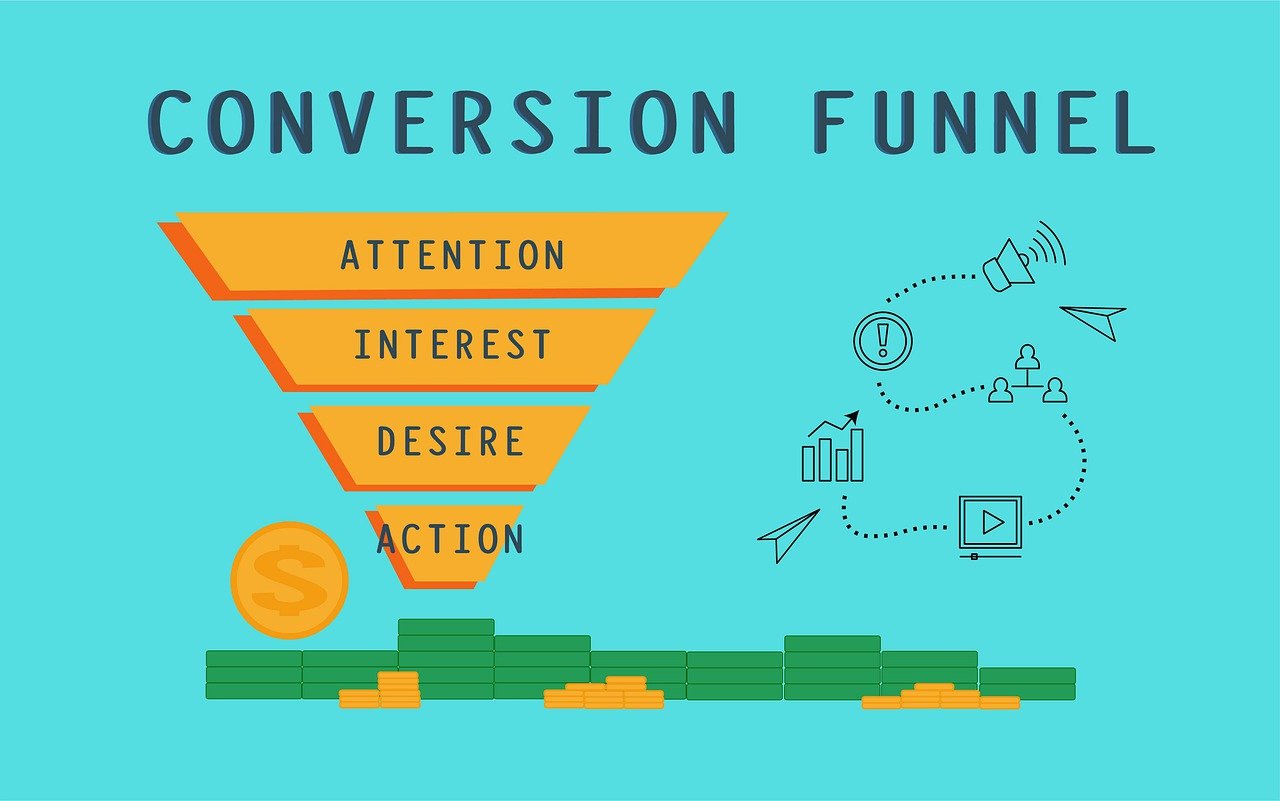
Understanding psychological triggers is vital for optimizing sales funnels. A sales funnel represents the journey a potential customer follows, from awareness to decision-making. Effective trigger strategies can significantly enhance conversion rates. These triggers play on human emotions and biases, making customers more likely to proceed to the next stage. For instance, the principle of scarcity often evokes urgency, compelling leads to take action quickly. By emphasizing limited-time offers, businesses can motivate hesitant buyers. Another key factor is social proof, demonstrating that others have benefited from a product. This includes showcasing testimonials and reviews on a website. People inherently trust the experiences of their peers, elevating conversions. Additionally, utilizing the commitment and consistency principle can persuade individuals to stick with their choices, especially if small commitments are made initially. By reinforcing these initial actions, you sow the seeds for larger purchases. These psychological triggers create a seamless experience that guides potential customers towards purchase decisions. To maximize results, keeping the sales funnel visually appealing and easy to navigate can also improve effectiveness. Exploring the interplay of psychology in sales funnels can yield substantial business results.
Identifying key psychological triggers requires understanding your target audience. Knowing the emotions and thought processes of potential customers enables marketers to craft tailored strategies. Researching demographics helps formulate effective messaging that resonates deeply. For example, leveraging fear of missing out (FOMO) can create a compelling reason for customers to engage quickly. The right language and images in marketing materials evoke emotional responses, effectively pushing prospects further down the funnel. Another effective tool is utilizing reciprocity, which builds a sense of obligation. This can be achieved through free trials or valuable content, fostering goodwill. As customers receive something valuable, they feel more inclined to reciprocate by making a purchase. Additionally, anchoring occurs when a higher-priced product is presented first, making subsequent options appear relatively cheaper. This price comparison influences decision-making, swaying buyers toward options you want them to choose. Creating urgency and highlighting limited availability can further motivate quick action. Furthermore, personalizing the customer experience based on their interests and behaviors can amplify emotional engagement. Tailored content and recommendations create a deeper connection, guiding individuals towards final purchases seamlessly.
Using Emotions to Drive Decisions
Emotional connections profoundly impact buying behaviors. People do not merely buy products; they buy feelings, experiences, and affiliations. Therefore, appealing to emotions is paramount for effective sales funnel optimization. Through storytelling, companies can transport potential customers into a narrative that relates closely to their desires and experiences. This connection transforms transaction-focused interactions into deeper engagements. By sharing real stories from satisfied customers, brands evoke empathy and trust. Utilizing vivid imagery can further create a compelling emotional landscape. Marketers can explore happiness, nostalgia, or even excitement as emotions to drive customers. Siren calls to individual aspirations can also be effective; marketing messages should reflect desires that resonate with customer values and goals. This balance between rational and emotional appeals creates a strong persuasion model. Implementing these strategies effectively requires finesse, as messages must align with the brand voice and values. Semantics and phrasing can evoke subtle feelings, developing a sense of community within the target audience. Existing loyal customers often respond similarly, reinforcing the relationship established while influencing new prospects toward conversions. Tapping into the power of emotions can redefine sales funnel paths and elevate overall performance.
Visual elements play a crucial role in amplifying psychological triggers. Humans process images significantly faster than text, making visuals an essential component of sales funnels. High-quality images, tailored to align with customer expectations, enhance overall engagement and retention. Utilizing infographics or charts to convey data strengthens persuasive arguments, making information more digestible. It’s vital to use images that evoke the desired emotional response; for instance, happy customers using a product can positively influence new leads. Color psychology is another important aspect of visual marketing that can impact consumer perceptions. Different colors can evoke various feelings and meanings, guiding customers toward particular actions. For example, red can induce urgency while blue can foster trust. Additionally, maintaining a consistent visual style throughout the funnel enhances brand recognition and trust. These elements help create a cohesive experience from awakening interest to conversion. Eye-catching calls-to-action (CTAs) also leverage visual design to encourage engagement. Every visual aspect should align with defined triggers, enhancing both the emotional and the rational journey. Through thoughtful integration of visuals, businesses can develop a more dynamic sales funnel that resonates deeply with potential customers.
The Role of Clarity in Messaging
Clarity in messaging is essential throughout the sales funnel for enhancing effectiveness. Clear, concise communication helps reduce confusion and supports making informed decisions. When presenting offers, it’s crucial to articulate benefits explicitly so that customers can easily grasp the value proposition. Simple language and straightforward explanations eliminate potential barriers to progression in the funnel. Utilizing bullet points to highlight key features or advantages can enhance comprehension significantly. As customers navigate through information, organized content can make their journey smoother. The significance of user-friendly interfaces cannot be overstated, as a disorganized layout can drive customers away. Additionally, aligning marketing messages across channels reinforces consistency and fosters trust. When customers receive cohesive information from different sources, it enhances their understanding and fosters brand loyalty. Frequent repetition of key messages helps solidify retention, ensuring that leads remember essential information when making decisions. A seamless flow of information creates a natural progression towards purchasing. Marketers should evaluate and refine messaging continuously, seeking feedback from customers regarding clarity and understanding. Striving for clarity in messaging is a fundamental aspect of a successful sales funnel, which facilitates better user experiences.
Effective follow-ups are crucial in capitalizing on the psychological journey of potential customers. Implementing timely follow-up strategies can enhance retention and push hesitant individuals towards converting. The right follow-up messages serve as reminders of value propositions, reigniting interest. Using personalized elements in follow-ups can further enhance engagement by demonstrating attentiveness to individual needs. For example, sending a tailored email that references previous interactions cultivates a deeper connection and increases conversion likelihood. Case studies or additional testimonials in follow-ups can serve to reinforce beliefs, reminding prospects of the positive outcomes others have experienced. Additionally, employing reminders about urgency, such as limited-time offers or impending deadlines, can prompt quicker responses. Regular follow-ups can position your brand as a considerate ally in their decision-making process, rather than a mere opportunistic seller. Leveraging customer data to predict follow-up timing can yield a more responsive experience, adapting to individual behaviors. Setting an appropriate frequency for follow-ups is vital, as oversaturation can lead to disengagement. Balancing persistence with respectfulness is essential for cultivating long-term relationships and fostering favorable brand perceptions.
Continuous Testing and Learning
Ongoing testing and optimization of psychological triggers are critical for improving sales funnel effectiveness. Marketers should regularly analyze the performance of various strategies to determine what resonates most with their target audience. A/B testing allows for comparative analysis between different messages, visuals, and approaches, revealing insights into customer preferences. By systematically refining triggers based on data, businesses can develop more effective sales funnels. This iterative process fosters a culture of learning and responsiveness, adapting strategies to meet evolving customer needs. Regularly engaging with customers for feedback can also enhance the testing process, offering valuable perspectives on experiences and perceptions. Combining quantitative and qualitative data builds a robust understanding of what influences customer engagement. It’s essential to stay abreast of current trends and consumer behaviors to remain relevant in a competitive marketplace. Continuous learning helps ensure your sales funnel evolves and remains effective over time. A proactive approach to improving psychological triggers ultimately leads to better conversion rates and enhanced sales performance. As businesses adapt and grow, so too should their understanding and implementation of psychological strategies in sales funnels.
In conclusion, the intersection of psychology and sales funnel optimization presents a complex yet rewarding landscape. Businesses effectively harness psychological triggers to manipulate customer behavior positively and ethically. This art of persuasion relies on knowing your audience, emotional engagement, and disciplined testing of strategies. Clarity, visuals, and tailored communication are vital components of effective funnels. By applying these principles, businesses can create seamless and engaging customer experiences that foster trust and drive conversions. It’s essential to embrace a culture of continual learning and adaptation in this dynamic field. After all, understanding why people make purchasing decisions is fundamental to constructing a successful sales funnel. As consumer behaviors shift, so must the approaches to influencing them effectively. Organizations prioritizing these psychological strategies will likely see significant improvements in their sales performances. The enhancement of the sales funnel through careful design and research can potentially revolutionize how businesses interact with prospective customers. This ongoing effort to master psychological triggers will ultimately determine future success and growth in any competitive market. Investing time in understanding and implementing these strategies can lead businesses to achieve remarkable outcomes in their sales processes.