
Understanding Influencer Marketing
Influencer marketing has rapidly evolved into a critical strategy for brands aiming to amplify their product launches. It allows brands to reach targeted audiences through trusted voices, enhancing credibility and engagement. By collaborating with influencers who resonate with their target demographic, brands can harness the power of social proof. In influencer-driven campaigns, authentic content and storytelling become essential elements. Influencers craft narratives that captivate their followers, and when they showcase products, it feels genuine and relatable. Audiences often look to influencers for recommendations in their purchasing decisions, creating a sense of trust. Therefore, integrating influencer marketing into product launches can significantly impact brand visibility and sales. Metrics indicate that consumers engage more with brands that utilize influencers seamlessly in their promotional strategies. Authenticity is crucial; audiences can quickly spot inauthentic endorsements, making it vital for brands to collaborate with influencers that align with their values and messaging. To achieve maximum success, brands must carefully select the right influencers and develop tailored strategies for their product launches. This targeted approach not only increases reach but also drives meaningful conversations around the brand’s offerings.
Choosing the Right Influencers
Identifying the right influencers for a product launch is a fundamental step that can determine the campaign’s overall success. Brands must consider several factors when selecting influencers. First, it’s essential to evaluate the influencer’s audience demographics to ensure they align with the target market for the product. This includes assessing the influencer’s geographical location, age group, gender, and interests. A thorough analysis of engagement metrics is equally important; brands should look for influencers with high engagement rates rather than just large follower counts. Engagement rates indicate a more active and loyal audience. Additionally, brands should review the influencer’s previous collaborations to gauge authenticity and compatibility with their brand values. This compatibility significantly enhances the effectiveness of the campaign. Brands can utilize tools to track influencer performance and identify the most effective ones in their niche. Collaboration style needs consideration too; influencers with a creative vision that aligns with the brand can produce distinctive content that resonates better with audiences. Establishing a positive relationship with selected influencers is key to developing compelling content that promotes product launches effectively.
Creating Compelling Content
Influencer-generated content (IGC) plays a pivotal role in product launch promotions, captivating audiences through personalization and storytelling. Effective IGC enhances brand perception and builds emotional connections with potential customers. Collaborating with influencers to create visually striking and authentic content allows brands to showcase their products in real-life contexts. It is essential for brands to communicate their products’ key features while allowing influencers creative freedom to express their unique styles. This balance can drive more authentic engagement and viewer interest. Facilitating an open dialogue between brands and influencers helps ensure that consumer interests shape the content. Brands can suggest content guidelines, but influencers should feel empowered to bring their individual touch. Additionally, conducting product trials can lead to honest reviews and effective endorsements, boosting consumer trust. Integrating user-generated content into campaigns extends the concept further, as this content showcases real customers enjoying the product. Incorporating hashtags and challenges associated with the product can also encourage audience participation, driving higher engagement levels. The objective should be to create a cohesive narrative that sparks curiosity and excites audiences about the product launch.
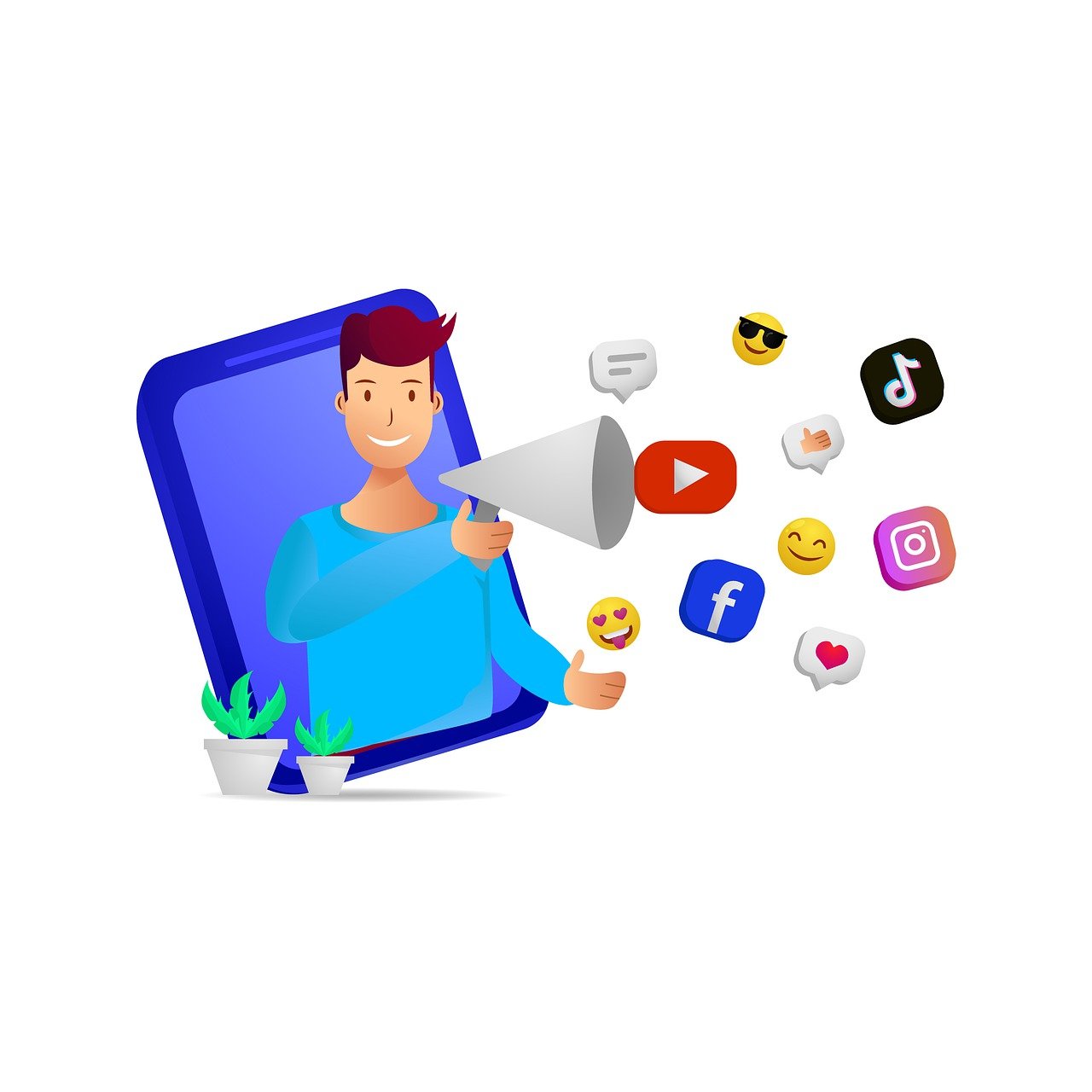
Leveraging various social media platforms is crucial during a product launch campaign. Different platforms offer unique advantages that can cater to diverse target audiences. For instance, Instagram is known for its visual content, making it an ideal platform for beauty and fashion brands to showcase products through eye-catching images and stories. Engage with users through Instagram polls and stories to gain insights and feedback. TikTok has also gained immense popularity, making it a powerful avenue for brands to create viral content through short, entertaining videos featuring influencers. Brands can partner with TikTok influencers to drive trends or challenges that showcase the product in fun and engaging formats. YouTube remains a staple platform for longer-form content and in-depth product reviews, where influencers can provide thorough demonstrations and experiences. Brands must analyze their target audience’s preferred platforms and tailor their strategies accordingly, ensuring that content is optimized for each medium. Adding compelling calls to action across platforms encourages user engagement, whether driving traffic to product pages or prompting users to share content. By strategically utilizing multiple platforms, brands can maximize their outreach and facilitate more impressive launch campaigns.
Engaging the Audience
Engagement is key to a successful product launch, and influencer marketing can significantly enhance this aspect. Brands should actively encourage influencers to engage with their followers throughout the campaign. Open-ended questions, giveaways, or interactive posts can invite audience participation. This interaction not only keeps followers invested in the launch but can expand reach as audience members share content with their networks. Developing creative contests or challenges allows followers to actively participate while promoting the product organically. Engaging audiences can generate excitement and anticipation, prompting users to discuss the upcoming launch. Furthermore, influencers can establish live sessions where they share their experiences with the product. This fosters a deeper connection with followers as they can ask questions and receive real-time answers. Following up with audiences after the launch is equally crucial. Brands can encourage influencers to share user feedback and experiences in post-launch content. This continued interaction maintains audience interest and builds long-term relationships with potential customers. Encouraging reviews and testimonials also provides social proof, reinforcing the product’s credibility. Engaging effectively can turn a simple launch into a memorable event for consumers.
Measuring Success
Once a product launch campaign utilizing influencer marketing is executed, measuring its success is a critical phase to evaluate its effectiveness. Brands should establish clear objectives and key performance indicators (KPIs) before launching the campaign. Common KPIs include engagement rates, conversion rates, and traffic generated from influencer posts. Utilizing tracking tools can help brands monitor the performance of individual influencers and content pieces. Analyzing engagement metrics can reveal how effectively the audience connected with the content, providing insight into follower reactions. Brands should also collect feedback directly from influencers regarding their experience during the campaign. Gathering qualitative and quantitative data will better inform future strategies. Sales figures post-launch can significantly indicate the campaign’s impact. A surge in sales may reflect that the influencer’s efforts successfully converted their followers into customers. Additionally, reviewing social media sentiment through mentions, hashtags, and comments can provide a broader understanding of audience perceptions. Ultimately, analyzing these metrics will help brands refine their influencer marketing strategies for future product launches, ensuring continuous improvement in their campaigns and achieving long-term success in their marketing efforts.
Conclusion
Utilizing influencer-generated content for product launch promotions can drive significant engagement and credibility for brands. This strategy hinges on the collaboration between brands and appropriate influencers who resonate with the target audience. Creating authentic, compelling content that engages consumers will establish a lasting impact. The careful selection of influencers, aligning brand values, and innovative content creation are vital components for success. Exploring various platforms while actively engaging audiences during the promotional period maximizes brand visibility and awareness. Furthermore, measuring success by tracking relevant metrics builds a foundation for future strategies. Feedback from both influencers and consumers enhances continuous improvement in campaigns. Ultimately, influencer marketing for product launches aligns experience, trust, and creativity, delivering effective promotion that benefits brands. As the social media landscape continues to evolve, staying updated on trends will keep brands competitive in their respective industries. Integrating these practices not only paves the way for successful product launches but also fortifies long-term relationships with consumers. In a crowded market, leveraging the power of influencers can make all the difference in achieving desired outcomes and fostering enduring brand loyalty.