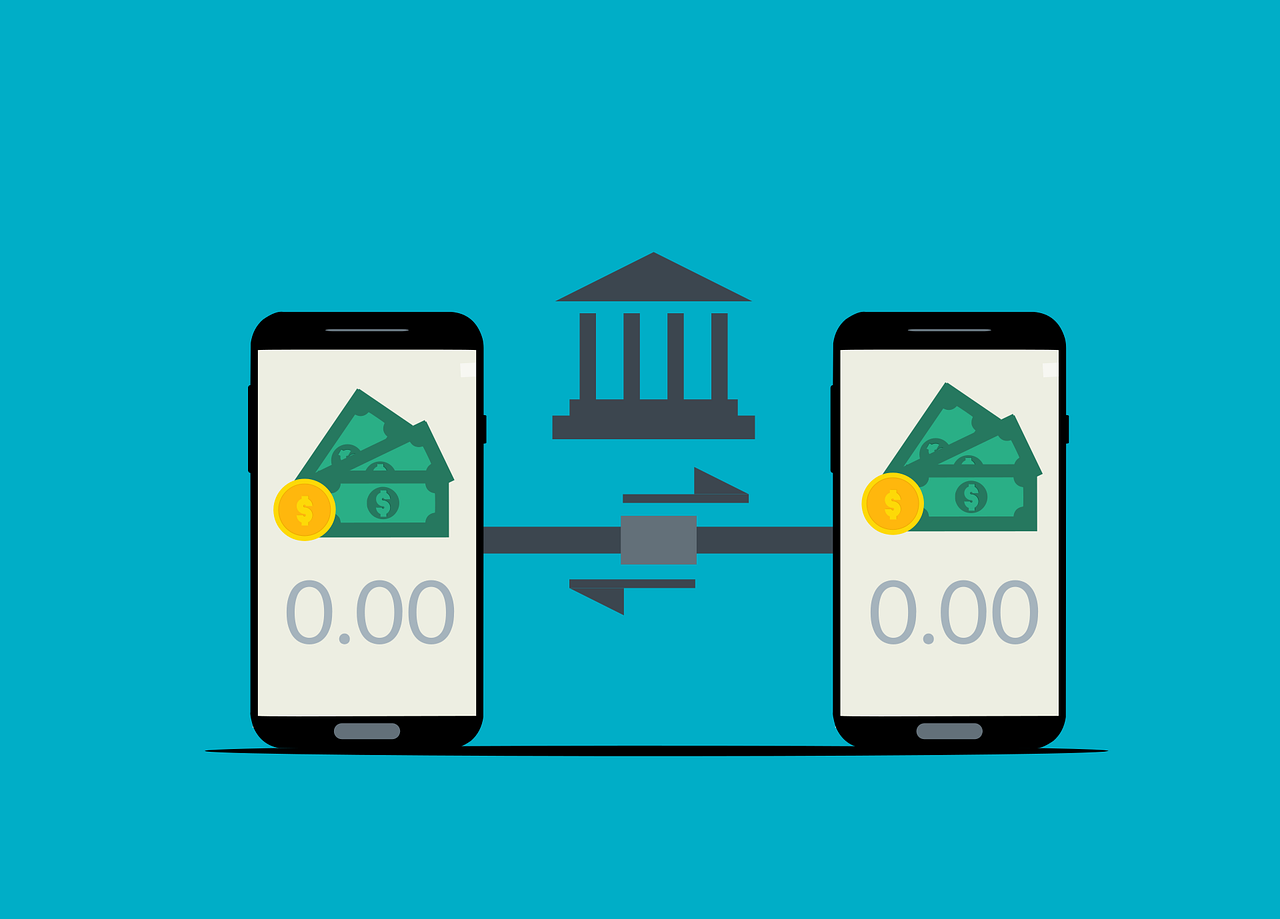

Cross-Border Payment Solutions Using Digital Wallets
The evolution of digital wallets has substantially transformed cross-border payment solutions, making transactions faster and more convenient. As more individuals embrace digital currencies, the arithmetic of sending and receiving money across borders becomes simpler. Digital wallets, like PayPal, Venmo, and others, allow users to store multiple currencies, significantly reducing the complexity of currency conversions. With the increased penetration of smartphones, accessing these wallets has never been easier. Additionally, digital wallets eliminate the need for traditional banking infrastructure in many regions. Due to their ease of use, they also cater to the unbanked populations globally. Truly, this evolution is reshaping global commerce, as users can send money instantly with just a few taps on their screens. Security is another major factor driving the adoption of digital wallets, as they utilize advanced encryption techniques to protect user data. This feature builds trust among users wary of sharing their financial information. With governments gradually providing regulations suited for digital transactions, the landscape for cross-border payments continues to grow wider, fostering economic inclusion and broader market opportunities.
The rise of digital wallets signifies a significant shift towards a cashless society. Many consumers now prefer to conduct transactions through apps, as they provide added layers of functionality. For instance, many digital wallets facilitate the quick processing of payments, making them ideal for international purchases. Users can track expenses directly through the wallets, enhancing personal financial management. Moreover, various wallets increasingly partner with local businesses, providing discounts to encourage use. As consumer behavior trends towards digital solutions, it becomes evident that traditional banking systems might need to adapt or risk becoming obsolete. The immediate future points toward further integration of wallets with e-commerce platforms. Furthermore, cross-border digital payments can be settled in seconds, compared to the standard processing time of traditional banking systems. This reality has attracted numerous businesses and entrepreneurs aiming to cater to global audiences. The convenience offered by digital wallets largely outweighs that of traditional banking. To optimize the experience, wallet providers frequently update their platforms, adding functionality like budgeting tools or investment tracking. Ultimately, the global shift towards digital payments sets the stage for more dynamic economic interactions.
Benefits of Using Digital Wallets for Cross-Border Transactions
Digital wallets provide an array of advantages in cross-border transactions, which are paramount for the modern economy. These benefits predominantly include reduced transaction fees compared to traditional banking methods. Banks often impose high fees for international transactions, but wallet services often minimize or eliminate these costs. Above all, consumers appreciate the transparent pricing provided by digital wallets, allowing them to see upfront what they will incur. Additionally, transactions via digital wallets are often faster and more efficient, significantly reducing waiting times for funds to clear. In businesses, this benefit is critical as timing can affect customer satisfaction. Moreover, the step of sending money directly between digital wallets simplifies the transaction process. Many digital wallet platforms also incorporate user-friendly interfaces that appeal to people of different technological backgrounds. The widespread adaptability of these services means that they cater both to tech-savvy youths and older populations not accustomed to digital banking. Furthermore, the evolutionary nature of digital wallets includes continual improvements based on user feedback, ensuring that they remain relevant in an ever-evolving financial landscape.
However, along with benefits, challenges exist for digital wallets in cross-border payments. One of the primary concerns is security – users fear potential hacking or data breaches. While digital wallets implement robust security measures, successful hacking incidents can undermine consumer trust. Therefore, service providers continually emphasize their safety protocols and improve them as cyber threats evolve. Additionally, interoperability among various wallet providers can be a significant hurdle. For instance, some wallets may only operate within specific geographical regions or currencies. This situation can create complications for those wishing to exchange funds across borders seamlessly. Another challenge to consider is compliance with local regulations surrounding financial transactions. Different countries have distinct laws governing digital payments, necessitating that wallet providers adapt their services accordingly. Lastly, there remains a degree of uncertainty about the future of cryptocurrencies, which can impact digital wallet usage. Economic fluctuations, market volatility, and regulatory changes surrounding cryptocurrencies can lead to hesitance among consumers regarding their willingness to use digital wallets. Understanding these challenges is crucial for users and businesses aiming to leverage digital wallets effectively.
The Future of Digital Wallets in Global Payments
The prognosis for digital wallets in cross-border payments remains incredibly optimistic. As technology continues to evolve, these wallets will likely become more integrated with artificial intelligence and machine learning. Such advancements enable personalized financial services, making it easier for users to manage their funds and understand spending patterns. Emerging technologies will provide even further enhancements regarding transaction speeds and efficiencies, potentially changing user expectations altogether. Additionally, the growing use of blockchain technology will only fortify the reliability and transparency of international payments. As various industries adopt blockchain, digital wallet providers will benefit from greater trust in their systems due to the unalterable nature of the technology. Consumers will also experience increasing convenience, as wallets integrate with everyday applications and services. These synergies will drive user engagement and create a more streamlined transaction process. Furthermore, financial literacy campaigns are expected to rise, contributing to a broader understanding of digital wallets. As more users become informed about digital finance, global adoption rates are projected to escalate. Consequently, the fintech sector anticipates robust investment inflows, allowing for further innovations in digital wallets.
Particularly, collaboration is likely to flourish between digital wallet providers and traditional financial institutions. This partnership can create a symbiotic relationship whereby innovative platforms pool resources to enhance services. By collaborating, providers can leverage the experience of established banks in navigating regulatory environments while still pushing the envelope on consumer-friendly technologies. These synergistic efforts may result in expansive digital ecosystems making cross-border payments simpler than ever before. Furthermore, emerging markets are anticipated to lead this charge, as populations increasingly shift towards digital-first solutions. Lower barriers to entry and the inevitable rise of mobile phone usage provide fertile ground for digital wallet technologies to thrive. Additionally, enhanced internet connectivity is ensuring that even remote populations are increasingly gaining access to digital financial services. As individuals in developing nations adopt these digital wallets, they stand to gain unprecedented access to global marketplaces. Ultimately, combining innovation with consumer education is vital for maximizing the potential of digital wallets.
Conclusion: Embracing Digital Wallets
In conclusion, the evolution of digital wallets signifies a fundamental shift in how we manage our finances, especially for cross-border transactions. Their growing prominence is reshaping monetary exchanges in a globalized world. As the consumer appetite for convenience grows, businesses must adapt by incorporating these digital solutions into their payment infrastructures. Digital wallets are positioned to foster financial inclusion by appealing to consumers regardless of their economic stature. Future developments hinge on robust security features, ease of use, and compliance with diverse regulations, all while enhancing international accessibility. Furthermore, education surrounding digital wallet usage is paramount, empowering consumers to make informed financial decisions. As these wallets continue to evolve, they will not only facilitate smoother transactions but also create enhanced economic opportunities across the globe. By embracing these digital solutions, individuals and businesses can navigate an increasingly interconnected world. The journey to a cashless society is well underway, and the growth of digital wallets is proof of a shifting landscape in finance. Harnessing these tools allows participants to contribute effectively to the new economy.
This positive trajectory of digital wallets is pivotal in transforming how individuals engage with financial transactions globally. As digital wallets continue gaining traction, their influence will span across various sectors, prompting industries to innovate in response. Companies able to adapt to this evolving financial landscape will position themselves favorably in their respective markets. In essence, the adoption of digital wallets signifies more than a mere shift in transaction methods; it represents an ideological change towards embracing technology as a solution to traditional financial barriers. As we look towards the future, anticipation grows regarding how digital wallets might revolutionize personal and global finance. The ultimate outcome promises to be an inclusive financial system built on accessibility, cooperation, and opportunity. Existing and emerging digital payment systems must retain consumer confidence by staying ahead of potential security threats while also advocating for financial literacy. Overall, engaging with digital wallet solutions opens new frontiers for consumers and businesses alike. Together, they can navigate the complexities of the evolving marketplace, capitalizing on the benefits these technologies bring to everyday financial interactions.