
Aligning Ad Copy with Funnel Stages to Increase SEM Effectiveness
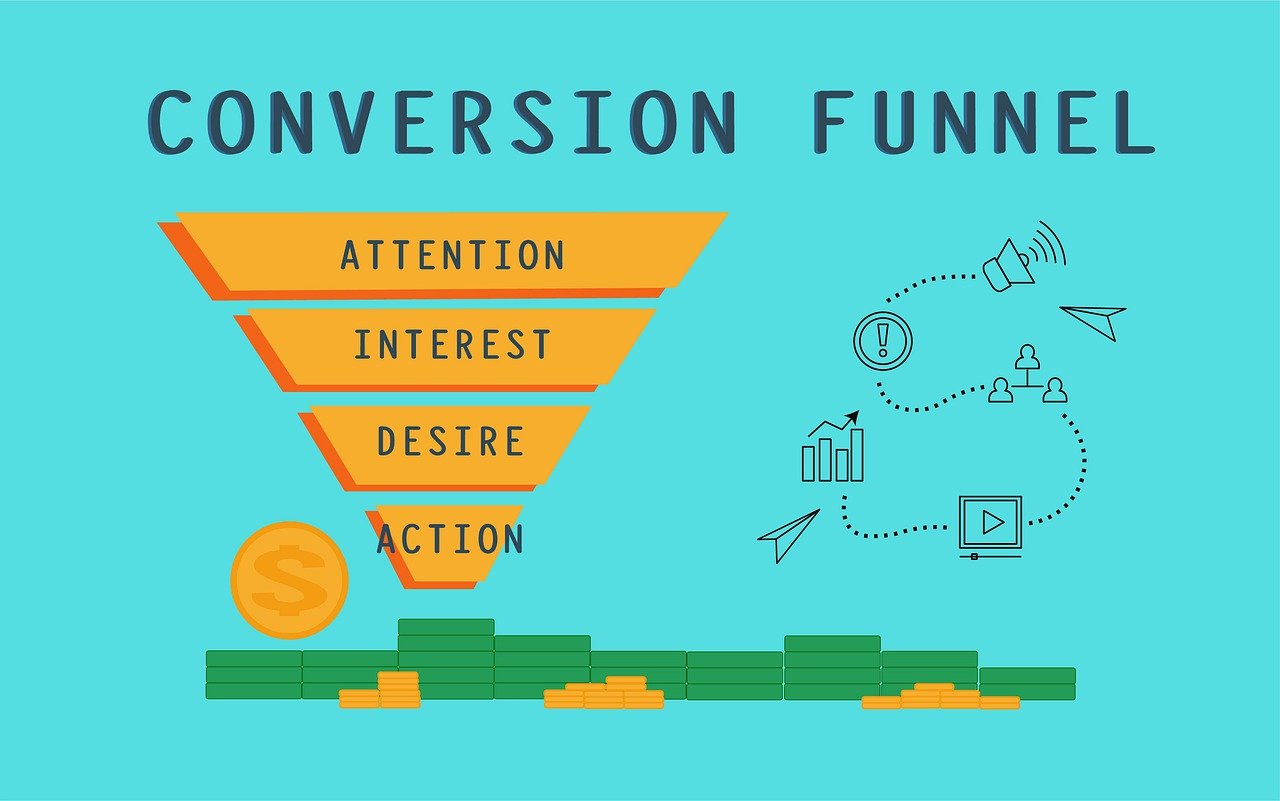
Effective Search Engine Marketing (SEM) depends on aligning ad copy with the various stages of the marketing funnel. Each stage, from awareness to conversion, requires a different messaging approach to drive engagement and conversion rates. Understanding consumer behavior at each funnel stage is vital. At the top of the funnel, potential customers are just becoming aware of your product or service, so ad copy should focus on grabbing attention rather than hard selling. Utilizing catchy headlines and engaging visuals can create interest. As they move to the middle stages, potential leads need more information; hence, the ads should provide value through insights or educational content. Incorporating benefits and features is essential. Finally, at the bottom funnel stage, ads should prompt decision-making with clear calls to action and offers. Constantly analyzing performance metrics such as Click-Through Rate (CTR) and Conversion Rates (CR) helps refine the messaging strategy. Successful SEM campaigns leverage insights to tailor ad copy that resonates with consumers at each specific stage of their journey, improving overall effectiveness and return on investment.
Ad copy tailored for each stage of the marketing funnel not only resonates better with the audience but also increases the likelihood of conversions. At the top of the funnel, ads should aim to educate rather than push for immediate sales. Engaging content that addresses common pain points leads to higher visibility and interest. This can include blog post links, videos, or infographics that provide insights into the problem. When the audience progresses to the consideration stage, it’s essential to showcase the product’s unique value proposition. Detailed product descriptions, testimonials, and comparison guides reinforce trust and facilitate informed decision-making. Furthermore, the importance of focusing on keywords tailored to each funnel stage cannot be overstated, as these determine how potential customers find the ads. As users transition to the bottom of the funnel, the ad copy becomes more persuasive, with limited-time offers and personalized messages that prompt action. In conclusion, aligning ad copy with funnel stages ensures that all messaging speaks directly to the audience’s needs, resulting in better engagement across all phases and improved SEM performance.
Understanding the Marketing Funnel
The marketing funnel comprises several stages an individual goes through before making a purchase. The stages generally include awareness, interest, consideration, intent, evaluation, and purchase. Each represents a different point in the customer’s journey and requires unique types of messaging and strategies. Awareness is where potential customers first come into contact with a brand. This is critical in SEM as ad copy needs to capture attention quickly, often through ads on social media or search engines. In the interest stage, users begin seeking more information about options available. Providing resources like guides or webinars can fuel this. The consideration stage is vital for encouraging prospects to weigh their choices. Here, you might employ ads featuring product comparisons or customers’ success stories. Finally, delivering compelling and actionable messages in the intent and evaluation stages can prompt users to finalize their decisions, leading to conversion. By optimizing ad copy based on the understanding of each funnel stage, brands can significantly improve their SEM effectiveness and meet specific consumer needs at crucial moments.
To maximize SEM effectiveness, implementing precise targeting strategies tailored for each funnel stage is essential. Targeting options on platforms like Google Ads or social media allow marketers to refine their audience. For instance, during the awareness stage, broader targeting can yield greater exposure. Yet, as prospects move downward on the funnel, more specific targeting should be employed to reach users based on their behavior. This may include retargeting previous website visitors with relevant products or offers, enhancing the chances of conversion. Ad copy should evolve to reflect users’ changing needs at each stage. For instance, users familiar with the brand will respond positively to ads that highlight more features and benefits compared to those just entering the funnel. Implementing dynamic and responsive ads that adapt based on user engagement can also serve to optimize SEM outcomes. Ultimately, sophisticated targeting combined with responsive ad copy helps maintain engagement throughout the customer’s journey, ensuring that every interaction aligns strategically with their current needs and positions the brand favorably for future interactions.
The Role of Analytics and Metrics
Analytics play a pivotal role in refining ad copy for each stage of the marketing funnel. By analyzing performance data, marketers can identify trends and patterns that inform decision-making. Key performance indicators (KPIs) like Click-Through Rate (CTR) and Cost Per Acquisition (CPA) provide insight into what’s working and what isn’t. For instance, if the CTR is low at the awareness stage, it signals that the messaging may not resonate well with the intended audience. Adjustments can be made accordingly. In the consideration phase, focusing on metrics such as time spent on site and bounce rates can indicate interest levels; if these are low, it may necessitate reevaluation of the content offered. Additionally, tracking conversion metrics at the bottom of the funnel can unveil the effectiveness of various calls to action and promotional offers. Implementing A/B tests on ad copy variations enables precise measurement of impacts on engagement and conversion metrics, facilitating data-driven optimizations. Continual assessment and adaptation of strategies based on analytical insights lead to higher SEM success rates.
The optimization of ad copy for different funnel stages requires a deep understanding of consumer psychology and behavioral triggers. Each stage elicits different emotional responses and motivations, which should be reflected in the ad content. At the top of the funnel, curiosity and intrigue should be the focus; headlines must capture attention and entice users to learn more. As consumers progress to the middle stages, reinforcing trust through social proof and informative content becomes crucial. Here, the ad copy can leverage customer testimonials and case studies to build credibility. Towards the bottom of the funnel, urgency and exclusivity drive action; this includes phrases like “limited time offer“ or “exclusive discount for you.” Tailoring the tone and message appropriately for each funnel stage can significantly influence consumer behavior. Moreover, maintaining consistency in branding while adapting messages to fit the funnel ensures a cohesive customer experience. Consumers appreciate a seamless journey where each ad they encounter feels relevant and perfectly timed, which in turn cultivates a stronger relationship between the brand and its audience, ultimately fostering loyalty.
Conclusion and Best Practices
In conclusion, aligning ad copy with the marketing funnel stages is critical for maximizing SEM effectiveness. Understanding each phase encourages tailored messaging that addresses consumer needs and motivations. As marketers create ad campaigns, employing the aforementioned best practices will facilitate targeted communication. First, conducting in-depth audience research to grasp pain points and desires will inform compelling copy. Second, making use of dynamic ads can adapt messages based on user engagement, enhancing relevance. Third, utilizing strong calls to action and carefully crafted offers in bottom-funnel ads can propel consumers towards conversion. Finally, continuously leveraging analytics enables ongoing adaptation for improved outcomes. As the digital marketing landscape evolves, staying informed on consumer behaviors and trends is essential. Real-time adjustments can help keep ad content fresh and engaging. The synergy between targeted ad copy and consumer alignment throughout the marketing funnel ultimately leads to increased conversions and customer loyalty. By implementing these strategies, brands can fully optimize their search engine marketing endeavors and navigate consumers towards meaningful interactions that benefit both parties.
The optimal SEM strategy, therefore, lies in recognizing that every customer is on a unique journey. Careful alignment of ad copy according to funnel stages ensures each interaction contributes purposefully towards conversion. Emphasizing education, trust-building, and compelling offers at the right times creates a path that feels natural and rewarding.