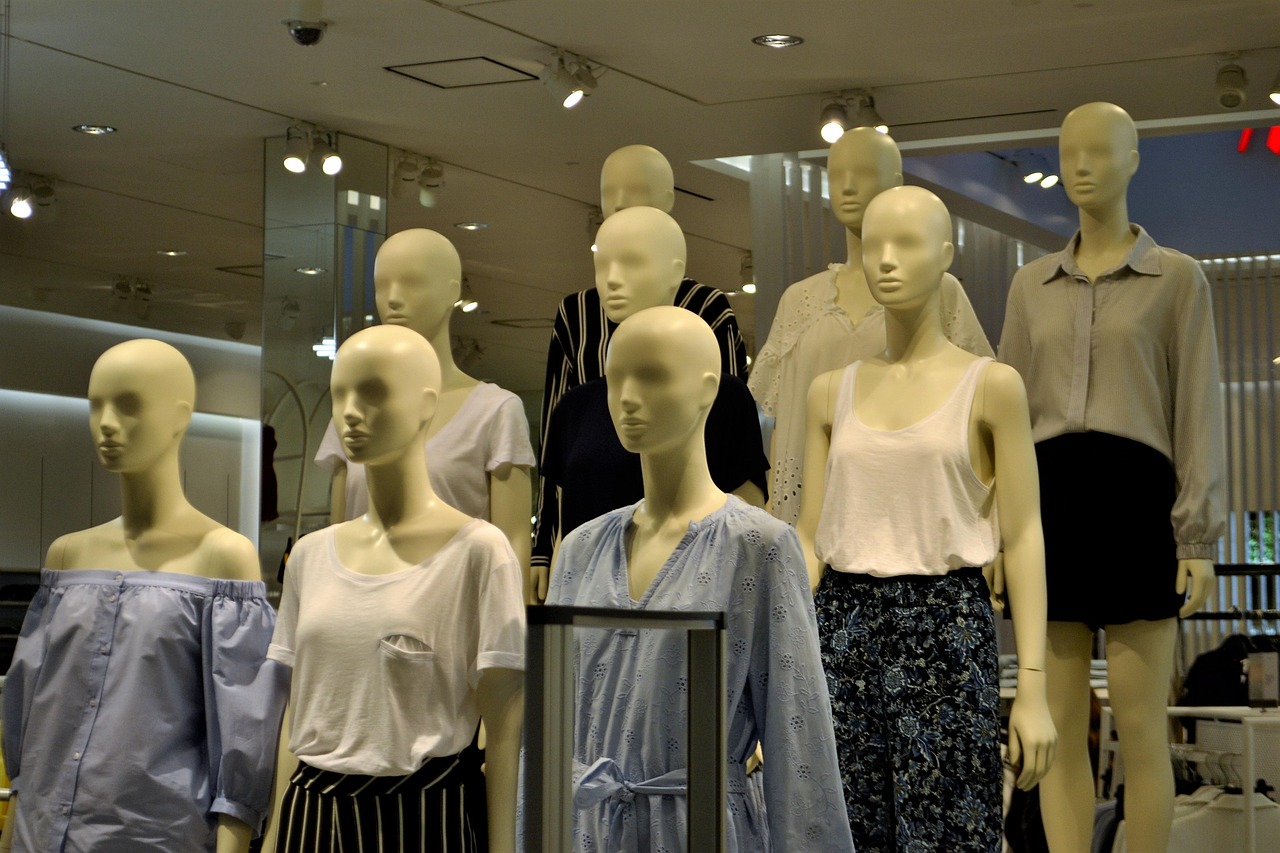

Designing Visual Merchandising that Aligns with Brand Identity
Effective visual merchandising is a powerful tool for retailers seeking to enhance customer engagement and drive sales. To achieve this, it’s essential that the visual elements reflect the brand identity while creating an inviting atmosphere. Branding involves more than just a logo; it encapsulates the core values, mission, and personality of a brand. Incorporating these elements into visual displays helps to evoke the desired emotions in shoppers, encouraging them to connect on a deeper level. The choice of colors, materials, and layouts can evoke emotions aligned with brand messaging. Consumers subconsciously respond to these cues, interpreting them as signals of quality and value. Consequently, shopping becomes not merely a transaction but an experience. When designing displays, consider customization options tailored to various target demographics. Utilizing local themes or seasonal variations can reconstruct brand identity in a relatable manner. Moreover, digital enhancements such as interactive displays or augmented reality can further reinforce connections to the brand story, making the storefront informative as well as visually appealing. Ultimately, the goal is to create a cohesive narrative that resonates with the audience and enhances their shopping journey.
Implementing effective color schemes is a crucial aspect of visual merchandising aligned with brand identity. Colors evoke specific emotions and associations that may significantly impact consumer behavior. For instance, red often conveys excitement and urgency, while blue tends to communicate trust and calmness. Thus, retailers can strategically select these colors to reflect their brand values while influencing shopping decisions. A consistent color palette across displays and store themes reinforces brand recognition, making it easier for customers to identify the brand among competitors. Additionally, contrasting colors can draw attention to featured products, ensuring they capture shopper interest effectively. Pairing these colors with appropriate signage can further enhance notifications and promotions. Display arrangements that harmonize with the color scheme may contribute to an overall pleasing aesthetic that reflects the brand’s identity. Effective use of color can transform mundane displays into lively, attractive environments that foster engagement. Examining prevailing trends can yield insights for refreshing design approaches while staying true to the brand ethos. Therefore, retailers should remain agile around color choices and adjust them to reflect seasonal themes or special events. The success of the merchandising strategy lies in synchronization of colors with the overarching brand message throughout the shopping experience.
The Role of Layout in Visual Merchandising
Layout plays a pivotal role in visual merchandising that aligns with brand identity and enhances customer experience. A thoughtfully designed store layout guides shoppers through the space while promoting product discovery. Different layout styles, such as grid, racetrack, or free-flowing layouts cater to distinct shopping behaviors and customer journeys. For example, the grid layout encourages efficiency for customers familiar with product locations, while a racetrack layout promotes exploration and discovery. Engaging layouts encourage customers to linger longer in the store, ultimately increasing the likelihood of purchases. Thoughtful placement of key items in high-traffic areas boosts visibility and encourages impulse buying. Merchandising strategies, such as creating focal points in each section, help to maintain shopper interest. Such focal points should resonate with the brand narrative, whether emphasizing flagship products or seasonal items. Additionally, harmonious flow between sections can illustrate the brand story in a linear fashion, guiding the customer seamlessly from one area to another. This orchestrated experience fosters emotional connections and loyalty. Consequently, layout serves as a critical blueprint that complements the visual merchandising strategy while reinforcing the overarching brand identity, ultimately driving sales and enhancing customer satisfaction.
The importance of storytelling in visual merchandising cannot be overstated. Retailers have the unique opportunity to create compelling narratives through visual displays that resonate with customers. The narrative could start by selecting a theme that reflects the brand identity, including seasonal stories or lifestyle concepts that customers aspire to embrace. Each display should communicate an aspect of this narrative, whether showcasing products in a way that conjures aspirational lifestyles or addressing customer pain points. Educative displays can further enlighten customers about featured items, deepening the connection between the product and the customer. Employing props and backdrops that align with the overarching story can enhance the visual experience, captivating buyers and making them feel part of the narrative. Retailers may also incorporate technology, such as videos or digital storytelling elements to engage shoppers in immersive experiences. Events or promotions tied to the narrative can draw in crowd participation. Shoppers who connect to the story are more likely to form an emotional bond with the brand, leading to repeat visits and fostering loyalty. Ultimately, storytelling serves as a strategic tool that breathes life into visual merchandising, enabling it to resonate on an emotional level.
The Significance of Signage in Visual Merchandising
Signage is an integral aspect of visual merchandising, enhancing the communication of brand identity effectively. It functions as both a guide and an informative tool for customers navigating store layouts. Clear, well-placed signage allows shoppers to locate products quickly while also conveying essential brand messaging. Quality visuals coupled with appealing text can evoke interest and curiosity about products. In aligning with brand identity, signs should incorporate consistent typography and color schemes that reinforce brand recognition. Informative signs detailing product benefits, prices, or promotions help shoppers make informed decisions, often leading to increased sales. Engaging designs, including attention-grabbing graphics, can transform traditional signage into visual merchandising pieces. Additionally, digital signage offers opportunities for dynamic content, such as rotating promotions or seasonal advertisements, enhancing customer engagement. Stylish and practical, effective signage helps streamline customer experiences while reinforcing the brand narrative. Retailers must evaluate their signage strategies, aligning them with the overall visual merchandising approach and brand identity. Investing in quality signage as part of the visual merchandising strategy can derive substantial returns by enhancing service and improving customer satisfaction, ultimately driving repeat visits.
Another vital aspect of visual merchandising is the selection of props and display materials that reinforce the brand identity. The proper choice of materials influences perception, aesthetics, and practicality. Retailers need to choose props that not only enhance merchandise presentation but also reflect the brand ethos, creating cohesive relationships. Materials ranging from rustic wood to sleek metal can convey different brand personalities. When props complement the aesthetics of the product, they effectively elevate the overall visual experience. For example, luxury brands might prefer elegant glass displays, while casual brands might opt for playful and vibrant materials. Cohesion in prop selection enhances storytelling and evokes feelings that consumers associate with the brand. Seasonal props that align with holidays or events can also create a sense of urgency and relevance for shoppers. Incorporating unique display elements can differentiate a brand from the competition, making visual merchandising an effective edge. Additionally, retailers should prioritize sustainability, opting for eco-friendly materials to align with the growing consumer demand for ethical practices. Ultimately, the sensible selection of props and materials cements brand identity and cultivates lasting impressions on customers.
Conclusion: The Future of Visual Merchandising
As the retail landscape evolves, so will the approaches to visual merchandising. In a digital age, shoppers are increasingly influenced by online interactions, making it essential for physical stores to create compelling experiences. Visual merchandising that aligns with brand identity will be a key differentiator in driving foot traffic and sales. Retailers must embrace innovation, leveraging technology and insights to enhance storytelling aspects within their displays. This may involve integrating augmented reality or interactive elements that deepen customer engagement. Flexibility in design will become paramount, as retailers look to adapt to various trends while remaining true to their core branding. Crucially, as sustainability becomes a priority, visual merchandising will need to reflect ethical considerations, utilizing recyclable materials and promoting responsible practices. Brands committed to fostering emotional connections through visual merchandising can cultivate loyalty and advocacy. By consistently aligning merchandising strategies with brand identity, retailers can not only adapt to changing consumer expectations but also thrive in a competitive marketplace. Ultimately, visual merchandising represents a blend of creativity, strategy, and identity that will shape the future of retail experiences, offering immense potential for growth and success.
In conclusion, visual merchandising plays a pivotal role in aligning a brand’s identity with consumer experiences. The art of harmonizing colors, layout, and storytelling elements cultivates emotional connections and fosters customer loyalty. Brands can enhance storytelling through strategic selection of props and signage, enriching the overall shopping experience. As retailers innovate and adapt to changing trends, the foundation should consistently reflect brand identity. Ultimately, successful visual merchandising is about making informed choices that resonate with the audience while capturing the essence of the brand. Integrating digital elements will become increasingly essential for engaging the tech-savvy shopper. Therefore, brands must approach visual merchandising with an understanding of their core ethos and values. By consistently evaluating and refining strategies based on consumer feedback and market trends, retailers can craft memorable shopping experiences. The integration of sustainability into merchandising practices will not only reflect social responsibility but also appeal to conscious consumers looking to support ethical brands. As a dynamic field, visual merchandising will continue evolving, shaping the retail environment in transformative ways. Investing in quality visual merchandising strategies will yield significant returns and heighten brand affinity, ultimately driving successful outcomes in today’s retail landscape.