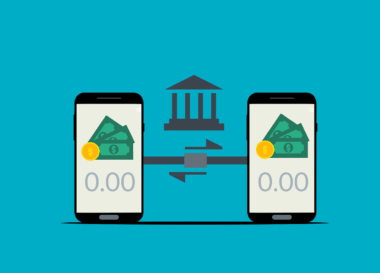

How Digital Wallets Are Revolutionizing Finance and Marketing
Digital wallets are transforming the way individuals conduct financial transactions in today’s fast-paced market. With the rise of technology, consumers demand convenience and speed, and digital wallets meet these expectations. They allow users to store funds securely and complete transactions seamlessly, providing the ultimate user experience. Moreover, digital wallets enable enhanced data analytics for businesses. Companies can utilize valuable insights gathered from users’ purchasing behavior and preferences to tailor marketing campaigns effectively. Digital wallets not only offer traditional services like peer-to-peer transfers but also facilitate loyalty programs and cashback promotions. Furthermore, the minimal transaction time associated with digital wallets gives businesses a competitive edge. This swift processing caters to the growing consumer expectation of prompt service in e-commerce. As digital wallets evolve, they will continue to integrate with various platforms and services, promoting financial inclusion and accessibility. The ongoing collaboration between financial institutions and fintech companies will drive further innovations in this space. The convenience of making payments via smartphones or other devices is not just a trend but a fundamental shift in consumer behavior across the globe.
Security Aspects of Digital Wallets
One major concern for users considering digital wallets is security and privacy. As more individuals embrace these technological advancements, safeguarding personal information becomes critical. Most digital wallets use encryption methods and advanced authentication features, such as biometric verification, to ensure the safety of users’ data and funds. Additionally, many providers offer transaction alerts to inform users about account activity, allowing them to react quickly in case of unauthorized access. It’s wise for users to engage in security practices, including utilizing strong passwords and regularly updating them. Using two-factor authentication can greatly enhance account safety. With growing consumer skepticism regarding online transactions, educating users about digital wallets’ security measures is vital. Companies must emphasize their commitment to protecting users’ sensitive information. Moreover, educating customers on recognizing potential scams and phishing attempts is essential. Reassuring consumers about the safety of their information will undoubtedly drive wider adoption. As digital wallets gain traction in the market, the emphasis on developing robust security protocols will enhance users’ confidence in utilizing these modern financial tools, facilitating the expansion of the digital financial ecosystem.
The integration of digital wallets into everyday transactions highlights another significant development in finance and marketing. Consumers can now utilize these tools to pay for goods and services with just a tap, whether in physical stores or online platforms. This revolutionary payment method eliminates the need for cash while streamlining the checkout process for businesses, which ultimately enhances customer satisfaction. Moreover, businesses benefit from reduced costs associated with handling cash and less time spent managing transactions. Digital wallets also present an opportunity for companies to reimagine their marketing strategies. Personalized marketing initiatives can reach users directly through notifications and promotions sent via mobile wallets. The target audience can respond quickly to offers that match their preferences, increasing conversion rates significantly. Moreover, digital wallets allow for innovative payment structures that cater to seasonal purchases or event-based promotions. Consumers appreciate the ability to access discounts and rewards, incentivizing them to return to businesses that implement effective loyalty programs. This mutually beneficial relationship creates a win-win, driving sales for businesses while enhancing overall consumer experience and engagement in today’s competitive landscape.
The Role of Digital Wallets in E-commerce
In the realm of e-commerce, digital wallets play an essential role, especially as shopping increasingly shifts online. Consumers enjoy the convenience that comes with making purchases using their mobile devices, which creates immense pressure on e-commerce platforms to adapt. With digital wallets, customers can save their payment information securely, allowing for a faster checkout process. This rapid transaction capability can significantly reduce cart abandonment rates, as customers are less likely to drop off due to lengthy checkout procedures. E-commerce businesses that integrate multiple digital wallet options cater to a broader audience, enhancing their potential customer base. Additionally, this seamless experience supports impulse buys, encouraging consumers to make unplanned purchases. Moreover, as various payment methods are offered via digital wallets, such as credit cards, cryptocurrencies, and bank transfers, it gives users flexibility. Encouraging the integration of seamless payment systems will further establish digital wallets as a staple in the online shopping experience. Consequently, companies able to offer these features will stand out in an increasingly competitive marketplace. As e-commerce continues to evolve, the reliance on digital wallets will further cement their significance in retail transactions.
Transitioning from traditional financial systems to digital wallets has broader implications, particularly for underserved communities. Digital wallets provide an accessible alternative for individuals who lack traditional banking facilities, ensuring that financial services reach everyone. It empowers users to manage their financial resources effectively while participating in the global economy. For many individuals in developing regions, they facilitate immediate cashless transactions through mobile devices, leapfrogging traditional banking infrastructures. This trend has been especially beneficial during periods when physical banking is impractical, such as during global crises, like pandemics. Furthermore, digital financial products can be tailored to fit diverse cultural contexts, allowing for customized solutions that meet local needs. Financial education initiatives can be implemented alongside these technologies to help users navigate their digital wallet experience successfully. Partnerships between tech companies and local organizations are crucial to maximize the impact of digital wallets in these communities. By prioritizing education and accessibility, we can ensure that everyone benefits from the financial technology revolution. As these tools become integral in bridging gaps, the positive impact on economic participation and sustainability will undoubtedly continue to grow.
The Future of Digital Wallets
The future of digital wallets is promising, as evolving technologies will continue to shape this sector. Innovations in artificial intelligence, machine learning, and blockchain technology will enhance digital wallet capabilities for users and businesses alike. AI can facilitate improved fraud detection methods, providing an even more secure experience for users. Enhanced security measures will encourage the adoption of digital wallets as more individuals become confident in this technology. Moreover, the integration of the Internet of Things (IoT) will drive new use cases for digital wallets, enabling payments across connected devices. This interconnectedness will revolutionize how users interact with their finances, turning everyday objects into potential payment gateways. As digital wallets continue to develop, they will likely incorporate elements like virtual currencies, enhancing user experience and versatility. With the focus on sustainability, emerging technologies can also lead to greener financial practices. Businesses that adapt early to these trends will benefit significantly, establishing themselves as industry leaders. As financial institutions and fintech companies collaborate to develop innovative solutions, the growth of digital wallets will usher in a new era of efficiency, convenience, and user empowerment, shifting how consumers approach their finances.
While the proliferation of digital wallets presents numerous opportunities, challenges remain in their advancement. Regulatory standards and compliance issues across different jurisdictions must be considered for widespread adoption. Governments and financial authorities must develop clearer guidelines to govern the use of digital wallets. Breaches of privacy and concerns surrounding data security require vigilant oversight, as users’ trust is paramount. Additionally, market saturation poses challenges for new entrants offering digital wallet services. Companies must differentiate themselves by offering unique features and user experiences to stand out in a crowded marketplace. As competition intensifies, ensuring exceptional customer service and robust security measures will be pivotal. Educating consumers about the functionalities and benefits of digital wallets should also be prioritized; this fosters trust and encourages usage. The collaboration between financial services and technology sectors will ultimately shape the future of digital wallets, influencing mainstream adoption. As this innovative financial technology continues to evolve, businesses must remain keenly aware of shifting trends to create strategies that resonate with consumer expectations. Doing so will ensure they remain relevant amidst the rapidly changing landscape of finance and technology.
Conclusion
In summary, digital wallets are set to fundamentally transform finance and marketing as we know them. Integrating technology in everyday transactions enhances user experiences and drives significant changes in consumer behavior. As digital wallets continue to evolve, we can expect to see increased adoption across various demographics, influencing financial inclusion and accessibility. The role of security and privacy will remain essential in building consumer trust and facilitating digital wallet growth. Moreover, businesses that leverage digital wallets effectively will benefit from richer customer insights and improved targeting capabilities. The impact on e-commerce will encourage continued innovation, fostering a more efficient and pleasurable shopping experience. Finally, navigating the challenges that lay ahead—regulatory compliance, market differentiation, and consumer education—will be crucial as companies look to capitalize on this financial evolution. As digital wallets reshape our financial landscape, they create new opportunities for collaboration between technology providers and financial institutions. The future holds great promise for the development of digital wallets that cater to user preferences, enhancing user experiences, and enabling seamless transactions in an increasingly digital world.