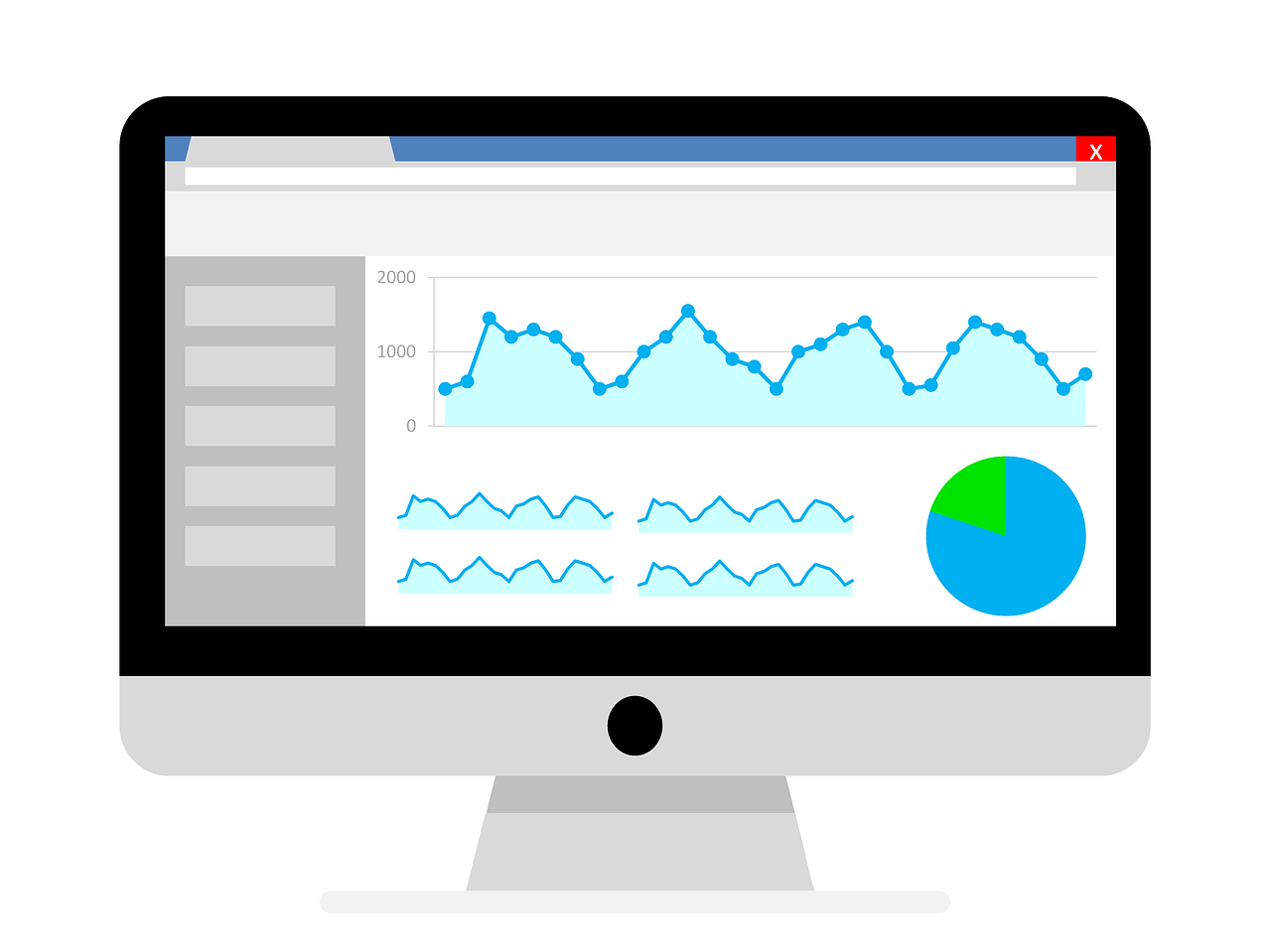

Boosting Conversion Rates with Web Traffic Analysis Insights
Understanding web traffic analysis is crucial for optimizing your marketing strategies and boosting conversion rates. By analyzing the data collected from user interactions on your website, you can identify key trends, behaviors, and preferences that influence purchasing decisions. This information empowers you to tailor your marketing efforts to better align with customer needs, enhancing overall satisfaction. Effective web traffic analysis involves monitoring various metrics, such as page views, bounce rates, and average session durations. Regularly tracking these metrics enables you to pinpoint areas of your website that may need improvement. For instance, a high bounce rate on a landing page could indicate that visitors aren’t finding what they expect. By making changes to the content or layout, you can encourage users to stay longer and ultimately convert. Additionally, segmenting your audience based on demographics and behaviors allows for more targeted marketing campaigns. This specificity not only increases engagement but also improves your chances of converting site visitors into repeat customers. Implementing advanced analytics tools can further enhance your ability to glean actionable insights from your data.
Another important aspect of web traffic analysis is understanding the source of your traffic. Knowing whether your visitors are coming from organic search, paid advertisements, social media, or referral links can significantly shape your marketing strategies. By identifying which sources are most effective, you can allocate your resources more wisely. For example, if social media is driving a substantial portion of traffic, investing more into social media marketing may yield higher returns. Conversely, if certain sources are underperforming, it may be worth reassessing your approach or even discontinuing those efforts. Metrics like click-through rates and conversion rates from various traffic sources provide valuable insights into their effectiveness. Moreover, conversion rate optimization should be a continuous process. Implementing A/B testing for different elements on your website—such as headlines, call-to-action buttons, and images—can provide data-driven insights. Over time, these small changes can lead to significant improvements in overall conversion rates. By continually analyzing and adjusting your strategies based on data, you can maximize your website’s effectiveness and drive more sales or leads.
Tracking user behavior on your website gives you a deeper understanding of how visitors interact with your content. Utilizing tools like heatmaps can visualize user engagement, revealing which areas of your site attract attention and which are ignored. This information is crucial for optimizing layout and design elements to retain visitor attention. Additionally, understanding the user journey—from the first interaction to conversion—enables you to pinpoint drop-off points in the funnel. By decreasing friction at these stages, you can improve the overall user experience, thereby increasing the likelihood of conversions. For instance, simplifying the checkout process or providing additional product information at critical decision points can make a substantial difference. Moreover, analyzing customer feedback and surveys can complement your web traffic analysis efforts. Visitor satisfaction informs not only website functionality but also product offerings. Effective communication with users fosters trust and loyalty, further solidifying their potential to convert. Overall, a comprehensive approach to web traffic analysis allows businesses to adapt swiftly to changing user preferences and market trends, ensuring sustained growth and increased conversion rates over time.
Leveraging Analytics Tools for Enhanced Insights
To truly benefit from web traffic analysis, leveraging powerful analytics tools is essential. Platforms such as Google Analytics, Adobe Analytics, and others provide a wealth of data for marketers. These tools help you track essential metrics while offering customizable reports to suit your specific needs. By analyzing this data, you can better understand your audience demographics, behaviors, and preferences. Additionally, setting up goals and tracking conversions enables you to assess the effectiveness of your marketing strategies. Integrating analytics tools with your website is generally straightforward, and many resources are available online. Once implemented, you can easily monitor real-time data, which is invaluable for making informed decisions quickly. Furthermore, some tools offer predictive analytics capabilities that can forecast upcoming trends based on historical data. Utilizing such features can give you a competitive edge, allowing you to proactively adapt your marketing campaigns. As you harness these insights, you can fine-tune your messaging and promotional efforts, thus optimizing conversion rates. The greater your understanding of user behavior patterns, the more you can tailor your strategies to meet their needs, driving improved results.
Moreover, audience segmentation plays a pivotal role in the effectiveness of your web traffic analysis efforts. By categorizing your audience into distinct segments based on behaviors and demographics, you can craft personalized messaging that resonates deeply with each group. This approach not only enhances engagement but significantly boosts conversion rates. For instance, targeting returning customers with tailored offers can motivate repeat purchases. Conversely, creating specialized landing pages for new users can guide them towards taking the desired actions. Understanding the preferences and needs of different user groups allows for more effective marketing strategies. Using customer personas as reference points can guide your content creation process and promotional tactics. Additionally, continually assessing the performance of these segments enables you to adapt your efforts over time. A/B testing can also be employed within segments to determine which messaging or design works best. By fine-tuning your campaigns based on segment performance, you can maximize your conversion rates effectively. Ultimately, audience segmentation serves as a critical tool in translating web traffic analysis data into actionable marketing insights that drive results.
The Impact of Mobile and Social Traffic
In today’s digital landscape, mobile traffic and social media presence are significant contributors to web traffic. Increasingly, users are accessing websites through smartphones and tablets, making it vital to optimize user experience across all devices. A mobile-responsive design enhances accessibility and ensures that visitors can navigate your site seamlessly. This optimization can drastically improve your conversion rates as users expect fast-loading and easy-to-navigate mobile experiences. Furthermore, analyzing traffic derived from social media provides insights into how well your content resonates within these platforms. By understanding which social sites are driving traffic, you can tailor your content and promotions accordingly. Integrating social media channels into your marketing strategy effectively captures an audience actively engaged in your brand. Engagement on social platforms often translates to increased website visits, so maximizing your performance in these areas is crucial. Additionally, utilizing social proof and customer testimonials in your marketing efforts can significantly influence potential customers. Highlighting positive experiences from existing clients can enhance credibility, thereby nurturing user confidence and boosting conversion rates further.
Finally, continuous improvement is an ongoing requirement in web traffic analysis. Most successful marketers understand that data analysis doesn’t end with merely gathering information and generating reports. Instead, it requires a dynamic approach, using findings to inform future strategies. Identifying trends and generating insights from your web traffic analysis allows for rapid adaptation to market fluctuations. For instance, if you’re observing a decline in conversion rates, it may require immediate action to explore causes. Running surveys can obtain direct feedback from visitors, which can clarify their motivations and buying processes. With these insights, remedial steps can be implemented swiftly to mitigate problems. Additionally, staying ahead of the competition requires recognizing shifts in customer behavior. By actively monitoring your site’s performance against competitors, you can uncover gaps in your strategies and capitalize on new opportunities. Therefore, maintain a cycle of evaluation and enact improvements based on data outcomes. Ultimately, businesses that prioritize ongoing analysis and adjustment of their marketing strategies are the ones set to thrive in an ever-changing digital environment, leading to consistently high conversion rates.
Remember that web traffic analysis should not be a one-time effort; it should be integrated into your overarching marketing strategy. This integration fosters a culture of data-driven decision-making, thereby aligning your team around common goals. Moreover, reporting tools can facilitate collaboration across departments, allowing sales, marketing, and customer service teams to operate in synergy. In doing so, you reinforce a customer-centric approach, further enhancing the likelihood of conversions. Regularly reviewing and sharing insights from your web traffic analysis can also inspire new marketing initiatives. Encouraging team brainstorming sessions based on data findings can foster innovation and agility within your strategies, pushing your marketing efforts to new heights. Equally important is the need to adhere to the ethical collection and use of data to respect user privacy. Transparent policies that outline how and why consumer data is collected and utilized build trust and strengthen brand loyalty among users. This not only encourages conversions but establishes a positive brand reputation. In conclusion, leveraging web traffic analysis as a central pillar of your marketing strategy can dramatically improve conversion rates, propelling your business toward sustained success.