
How to Conduct an Insurance Risk Assessment for Your Business
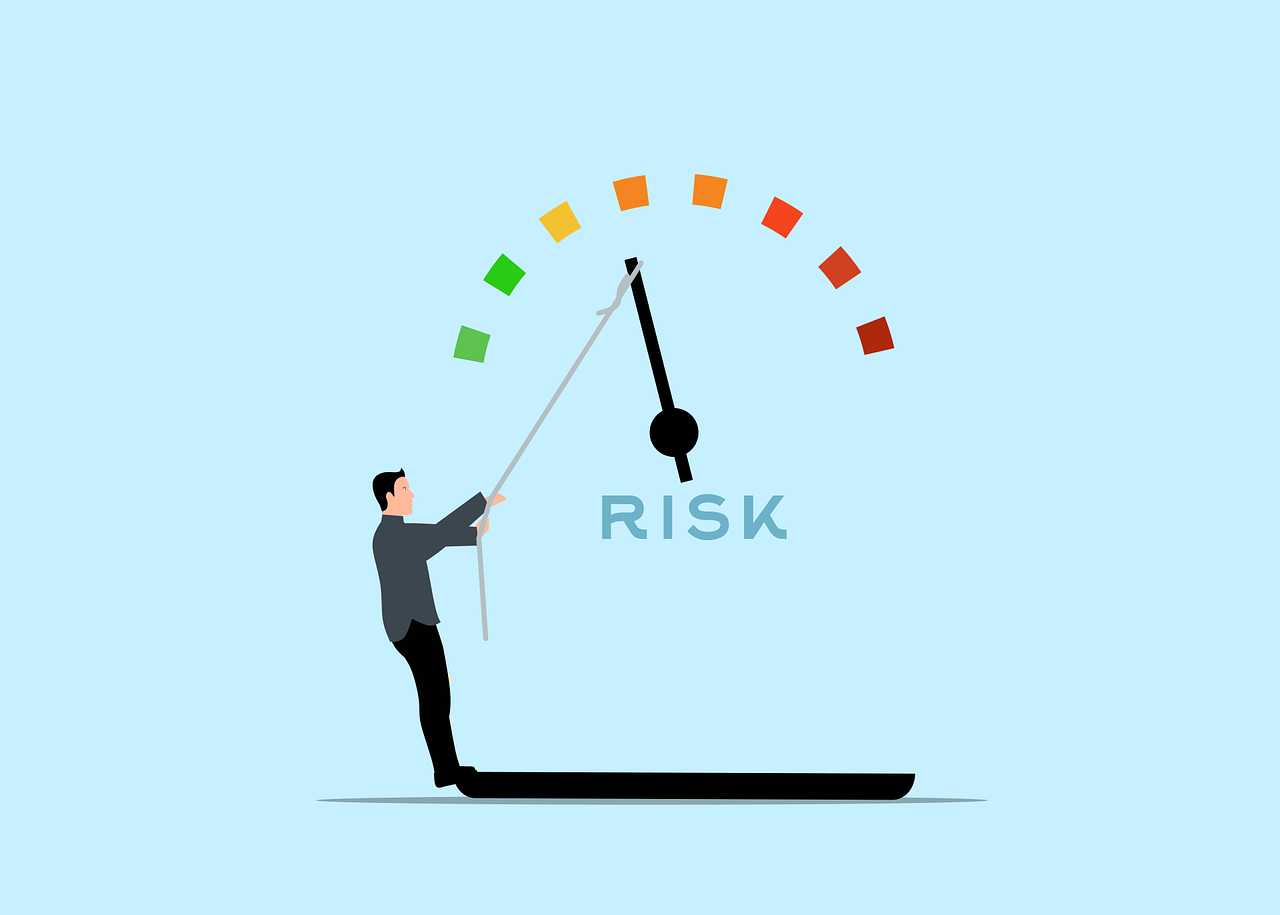
Conducting an insurance risk assessment is imperative for businesses aiming to safeguard their assets and operations. Businesses must identify potential risks to determine what insurance coverage they need. Begin by listing all the physical assets, such as property, equipment, vehicles, and intangible assets like intellectual property. Additionally, considering operational risks, employee safety, and liability concerns is essential. This well-rounded perspective on potential risks will guide you in assessing your current insurance policies and identifying gaps. Proper evaluation will help ensure you carry enough coverage to protect your business. Engage with key stakeholders and employees as they may know potential vulnerabilities. Use methods like surveys or interviews to gather valuable information on risks. By understanding these factors, business owners can make informed decisions on how to mitigate these risks through insurance planning. Next, categorize risks based on their likelihood and potential impact; this will help prioritize coverage needs. Seek advice from licensed insurance professionals who can guide you tailored insurance markets. Your proactive approach can save money over time while ensuring you maintain adequate protection against unforeseen events affecting your business.
After assessing your business’s risks, the next step involves evaluating the coverage options available for mitigating them effectively. Different businesses face diverse challenges, thus necessitating tailored insurance plans. Consider types of insurance like general liability, property coverage, and specific policies designed for your industry. Gathering quotes from multiple providers allows comparison of coverage features and premiums. Look for policies that cater specifically to the unique needs of your enterprise. Analyzing the cost of potential deductibles, claims limits, or exclusions will ensure you gain a comprehensive understanding of each policy. Additionally, assess add-ons or riders such as business interruption insurance, which protects revenue during unexpected service disruptions. Engage an insurance broker for professional advice on finding the best plans tailored to protect against your unique risks. Beyond coverage, analyze the insurer’s reputation and claims processing efficiency. A reliable insurer streamlines claims following incidents, thus minimizing downtime or losses. It is crucial to read reviews and assess ratings when selecting an insurance provider. Such due diligence is invaluable. Schedule regular reviews of your insurance as your business grows and changes. Keeping your coverage aligned with your evolving needs can help avoid costly gaps, ensuring sustained protection.
Implementing Risk Management Strategies
Effective risk management strategies help mitigate and manage the risks identified during the assessment. Begin by separating high-risk and low-risk activities within your operations. This allows you to allocate resources effectively to those that pose greater threats. Develop clear policies and procedures to guide employees in their roles concerning safety and compliance. Providing training on safety protocols ensures that all employees are aware of the risks and equipped to handle emergencies. Regular drills and reviews enhance preparedness for unforeseen incidents. Investing in safety equipment and technology can significantly lower the likelihood of accidents, thus reducing insurance claims over time. Implement proactive measures like cybersecurity strategies to protect against data breaches that can endanger operations. Furthermore, maintain accurate records to track incidents and assess trends over time. Regularly reviewing these records will provide insights into where controls may require adjustments. Also, conduct periodic reviews of your risk assessment and management strategies to ensure they remain effective and relevant. As your business environment and market evolve, continuously adapting your risk management keeps your strategy dynamic and responsive to changing threats.
Engaging with employees goes beyond assessments—it plays a vital role in building a culture of safety and risk awareness. Foster open communication where team members feel encouraged to voice concerns regarding safety or potential risks. Empower employees by involving them in safety committees or workshops, allowing them to contribute to formulating policies. When staff understands the significance of compliance and risk management, they become vigilant in applying practices that enhance workplace safety. This collaborative approach not only safeguards your business but also promotes employee morale and retention. Routine training and refreshers on safety practices cement the importance of risk awareness in your workplace culture. Additionally, recognizing and rewarding safe behavior can improve compliance further; employees who feel appreciated are typically more vigilant in maintaining safety standards. Regularly assess employee awareness of risk management protocols to ensure continuous awareness. By creating a safety-conscious environment, businesses foster resilience against potential threats. Moreover, an engaged workforce is vital to ensuring compliance with laws and regulations relevant to occupational safety and insurance needs. It minimizes the likelihood of incidents that could lead to claims and financial losses.
Monitoring and Review Processes
Once risk management strategies are in place, establish a monitoring and review process for ongoing effectiveness. Schedule regular check-ins to assess the adequacy of the current insurance coverage. Changes in business operations, market conditions, or regulatory environments can significantly impact exposure to risk. Conducting annual assessments allows for re-evaluation of policies according to emerging trends and risks. Additionally, rely on data analytics tools to visualize incident patterns and trends within your organization. Metrics about claims frequency and severity can help illustrate workplace vulnerabilities and aid in strategic adjustment. Emphasize the importance of maintaining updated records for all crucial insurance-related documentation. Insurance certificates, claims filed, and policies should be organized for fast reference. Should incidents occur, quick access to these records can facilitate claims processing, minimizing disruptions in operations. Engage with your insurance broker regularly to stay informed about new products or changes in the insurance landscape. Collaborate with them to enhance your risk strategies continuously. A well-documented process will ensure that future revisions remain thorough and effective, safeguarding your organization against mature threats.
In summary, conducting a thorough insurance risk assessment is a vital component of safeguarding your business. From identifying risks to customizing insurance coverage, understanding your organization’s unique needs leads to informed decision-making. Engage with employees and stakeholders throughout the process to gather insights and develop an inclusive safety culture. Continuous education and training for staff regarding risk management help embed responsibility within everyday operations. Monitoring and reviewing your strategies should become routine practice, addressing emerging risks and ensuring compliance. Investing in robust insurance and risk management practices offers invaluable protections for businesses. While it may seem overwhelming initially, making these efforts cultivates resiliency and safeguards valuable assets over time. By prioritizing risk assessment, companies not only protect themselves from potential losses but foster growth in their operational capabilities. Understanding insurance options enables businesses to navigate the complex landscape of commercial insurance effectively. Embrace a proactive mindset regarding risk management; this approach empowers business owners to face challenges head-on while adapting to evolving market conditions. Ultimately, a well-laid insurance strategy positions your business favorably in the competitive landscape.
Conclusion
Moving forward, remember that the role of insurance in business resilience cannot be overstressed. Adopting a proactive stance on risk management has the potential to transform how businesses operate and thrive amidst uncertainties. The initial steps of risk assessment lead to a greater understanding of vulnerabilities, empowering businesses to address these proactively. In tandem with comprehensive insurance strategies, keeping an eye on trends and shifts in the industry can yield competitive advantages. Companies that prioritize risk assessment are typically better positioned to manage crises effectively while minimizing financial impact. Empowering employees to contribute toward safety standards enhances compliance and enthusiasm for a culture of risk management. When everyone takes responsibility for risk mitigation, businesses can operate smoothly, regardless of unforeseen challenges. As such, the capacity to manage risks prudently strengthens an organization’s market position and sustainability. Aligning with skilled advisors, brokers, and existing industry standards can amplify your efforts. Ensure insurance coverage adapts as your business grows and changes in complexity. Engaging continuously in risk assessment and management contributes significantly to the longevity and prosperity of any business in today’s marketplace.