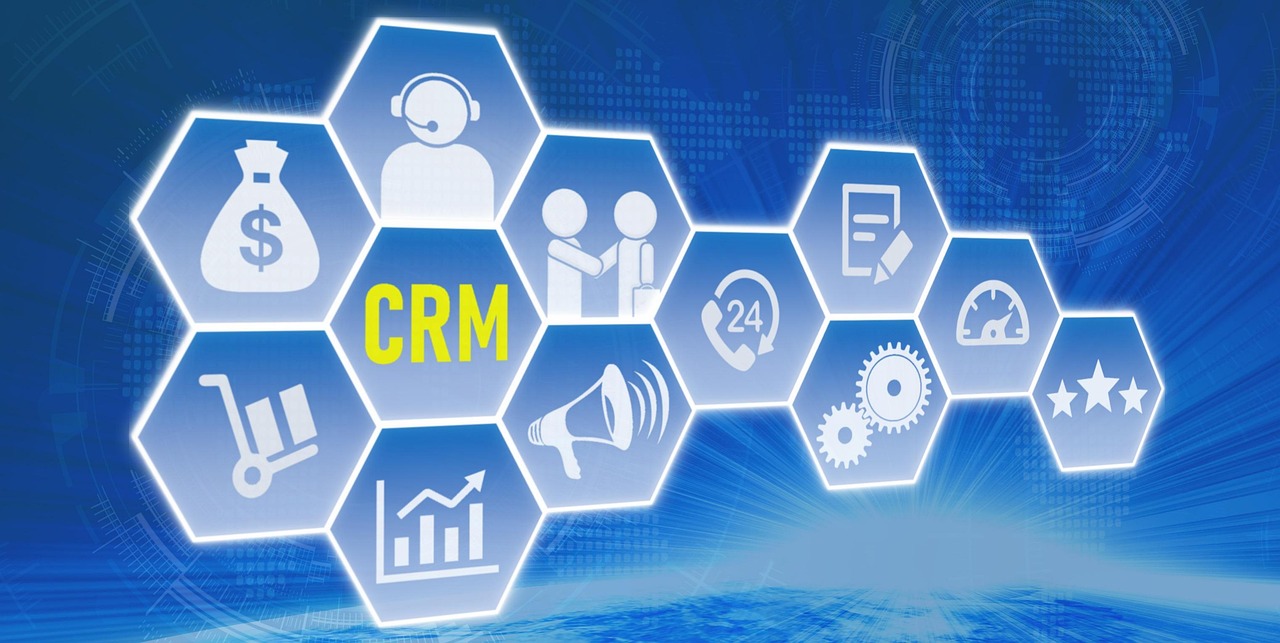

The Role of Customer Relationship Management (CRM) Tools in Retail Marketing
Customer Relationship Management (CRM) tools play a crucial role in the retail marketing landscape by enabling businesses to understand and nurture their customer relationships. These tools help retailers collect data about their customers, such as purchasing behavior, preferences, and feedback. With this information, businesses can segment their customers into distinct categories, allowing for more targeted marketing strategies. By analyzing data, retailers can create personalized promotions and communications, increasing overall customer engagement and loyalty. Furthermore, CRM systems streamline communication between retailers and customers through various channels, including email, social media, and in-store interactions. This multi-channel approach ensures that customer queries and issues are addressed promptly, enhancing the overall shopping experience. Additionally, integrating CRM with e-commerce platforms allows retailers to track customer activity across online and offline channels, providing a comprehensive view of customer interactions. As technology advances, the capabilities of CRM tools continue to evolve. Retailers must stay informed about the latest innovations and best practices to maximize the potential of these powerful tools for improving customer relationships and driving sales.
In today’s competitive retail environment, the importance of CRM tools cannot be overstated. These platforms aid in understanding customer insights, enabling retailers to align their marketing strategies effectively. One of the key advantages of CRM tools is their ability to gather and analyze data from multiple sources. By leveraging this information, retailers can identify trends and patterns that inform product development, pricing strategies, and promotional campaigns. For instance, retailers can discover which products are popular among specific demographics, allowing for targeted advertising and inventory management. Moreover, CRM systems often include analytical tools to measure the effectiveness of marketing campaigns in real-time, facilitating adjustments as necessary. Retailers can also automate follow-ups and reminders, ensuring that customers remain engaged and informed about new offers or products. Such strategies not only encourage repeat purchases but also foster brand loyalty. With the evolution of mobile technology, CRM tools have adapted to include mobile functionalities, enabling retailers to connect with customers on-the-go, enhancing convenience and satisfaction. This development underscores the necessity for retailers to adopt innovative CRM solutions as part of their overall marketing strategies.
As competition intensifies, customer loyalty becomes a vital concern for retailers, and CRM tools are instrumental in fostering this loyalty. By utilizing CRM to cultivate relationships with customers, retailers can effectively create a sense of community and belonging among their patrons. Personalization is at the heart of CRM, enabling businesses to engage customers with relevant content, such as tailored recommendations based on previous purchases or engagement history. Such personalized experiences lead to higher customer satisfaction, which can drive long-term loyalty. Furthermore, retailers can implement loyalty programs conveniently through CRM systems, offering rewards and incentives that further encourage repeat business. Integration with social media platforms enhances this approach even more, allowing customers to share feedback and experiences, primarily when incentivized to do so. Positive word-of-mouth generated through these channels can significantly amplify brand visibility and reputation. It is also crucial for retailers to monitor customer satisfaction and feedback actively. By utilizing CRM tools to track sentiment, businesses can proactively address issues, thereby further solidifying customer trust and loyalty. In summary, the role of CRM in driving customer loyalty is both significant and multifaceted.
Improving Marketing Efficiency through CRM Tools
Integrating CRM tools into retail marketing strategies promotes enhanced efficiency in various processes. Firstly, CRM platforms help automate routine tasks, such as email marketing campaigns, responses to customer queries, and scheduling follow-ups. This automation allows marketing teams to focus on strategic initiatives while ensuring no customer interaction is overlooked. Additionally, CRM systems provide valuable insights into sales pipelines, enabling retailers to track prospects and conversions effectively. This visibility aids in making data-driven decisions regarding resource allocation, product promotions, and customer targeting, optimizing marketing efforts. CRM analytics also play a crucial role in measuring performance metrics, such as customer acquisition costs, which are essential for assessing the success of marketing campaigns. With such metrics, businesses can refine their marketing strategies to improve ROI over time continually. Furthermore, CRM tools allow for seamless collaboration among different departments, as marketing, sales, and customer service teams can access shared data. This connectivity fosters a cohesive approach to customer relationship management, ensuring consistent messaging and experiences at every touchpoint, which is critical in establishing a strong brand identity.
Another key benefit of CRM tools in retail marketing is their ability to enhance customer service. Providing exceptional customer service is essential for success in the retail industry, and CRM systems contribute to achieving this goal. By consolidating customer data, retailers can gain a comprehensive understanding of individual needs and preferences. This knowledge allows customer service teams to provide personalized support, quickly addressing any concerns or inquiries. For instance, if a customer faces issues with a product, having their shopping history readily available empowers representatives to offer tailored solutions effectively. Moreover, CRM systems facilitate efficient communication among team members, enabling them to share insights and collaborate on resolving customer issues. This level of organization ensures that customers receive consistent and informed responses, ultimately leading to higher satisfaction rates. Additionally, CRM tools can help retailers identify common customer pain points and areas for improvement. By actively monitoring feedback and addressing concerns, businesses can make necessary adjustments to their products and services, further enhancing the customer experience. Ultimately, leveraging CRM tools for improved customer service yields lasting benefits in building customer trust and loyalty.
As the retail landscape continues to evolve, integrating artificial intelligence (AI) and machine learning capabilities into CRM tools becomes increasingly vital. These advanced technologies can analyze vast amounts of data quickly and effectively, revealing insights that were previously difficult to identify. AI-driven analytics can help retailers predict customer behavior, identify trends, and forecast inventory needs with unprecedented accuracy. By understanding customer patterns, retailers can optimize their marketing campaigns and product offerings, ensuring they align with consumer demands. Furthermore, AI enhances personalized marketing efforts by analyzing real-time data to deliver tailored recommendations directly to customers. This level of personalization significantly improves the shopping experience, leading to higher conversion rates and customer satisfaction. Moreover, machine learning algorithms can refine segmentation strategies, enabling retailers to target specific groups with tailored promotions, resulting in more effective marketing efforts. Integrating AI with CRM systems also supports improved automation, allowing retailers to streamline workflows and enhance operational efficiencies. By adopting AI-enhanced CRM tools, retailers position themselves to thrive in a rapidly changing industry, ultimately enhancing their competitive edge and customer loyalty.
The Future of CRM in Retail Marketing
The future of CRM tools in retail marketing is set to evolve as technology and customer expectations continue to shift. The rise of big data and analytics will significantly influence the functionality and capabilities of CRM systems. Retailers must adapt to harness the power of integrated data sources effectively, offering a holistic view of their customers. This integration will enable retailers to better understand their target audiences, market trends, and competitive landscape. Additionally, the focus on customer experience will drive the development of more intuitive, user-friendly CRM interfaces, allowing even non-technical staff to leverage these tools easily. Moreover, the growing importance of privacy and data protection will shape consumer relationships with brands. Retailers must prioritize transparency while actively protecting customer data and ensuring compliance with regulations. Enhancing AI and automation in CRM tools will further streamline interactions, allowing retailers to respond quickly to customer inquiries and personalize marketing messages accordingly. As the retail sector embraces these advancements, the adoption of omnichannel strategies will become increasingly vital, ensuring seamless communication and engagement across all platforms. In conclusion, retailers who embrace these innovations will find themselves ahead in the competitive landscape.
In summary, Customer Relationship Management (CRM) tools are essential for modern retail marketing strategies. Their ability to gather, analyze, and act upon customer data fosters enhanced engagement and loyalty. By leveraging personalization and automation, retailers can improve customer service and streamline marketing efforts. Additionally, the integration of AI and machine learning technologies into CRM systems will revolutionize the way retailers understand and interact with their customers. With a focus on data-driven decision-making, businesses can optimize their approaches to meet consumers’ evolving preferences and expectations. The future of retail marketing lies in an adaptive strategy that embraces these innovations, ensuring a comprehensive understanding of the customer journey. As the competitive landscape continues to change, it will be essential for retailers to not only adopt CRM tools but also continuously refine their use of them. By doing so, retailers can enhance customer experiences, drive sales, and establish lasting relationships with their clientele. To remain successful, retailers must prioritize building strong customer connections, as this will ultimately lead to sustained business growth and profitability. Investing in effective CRM tools is a critical step in achieving these long-term objectives.