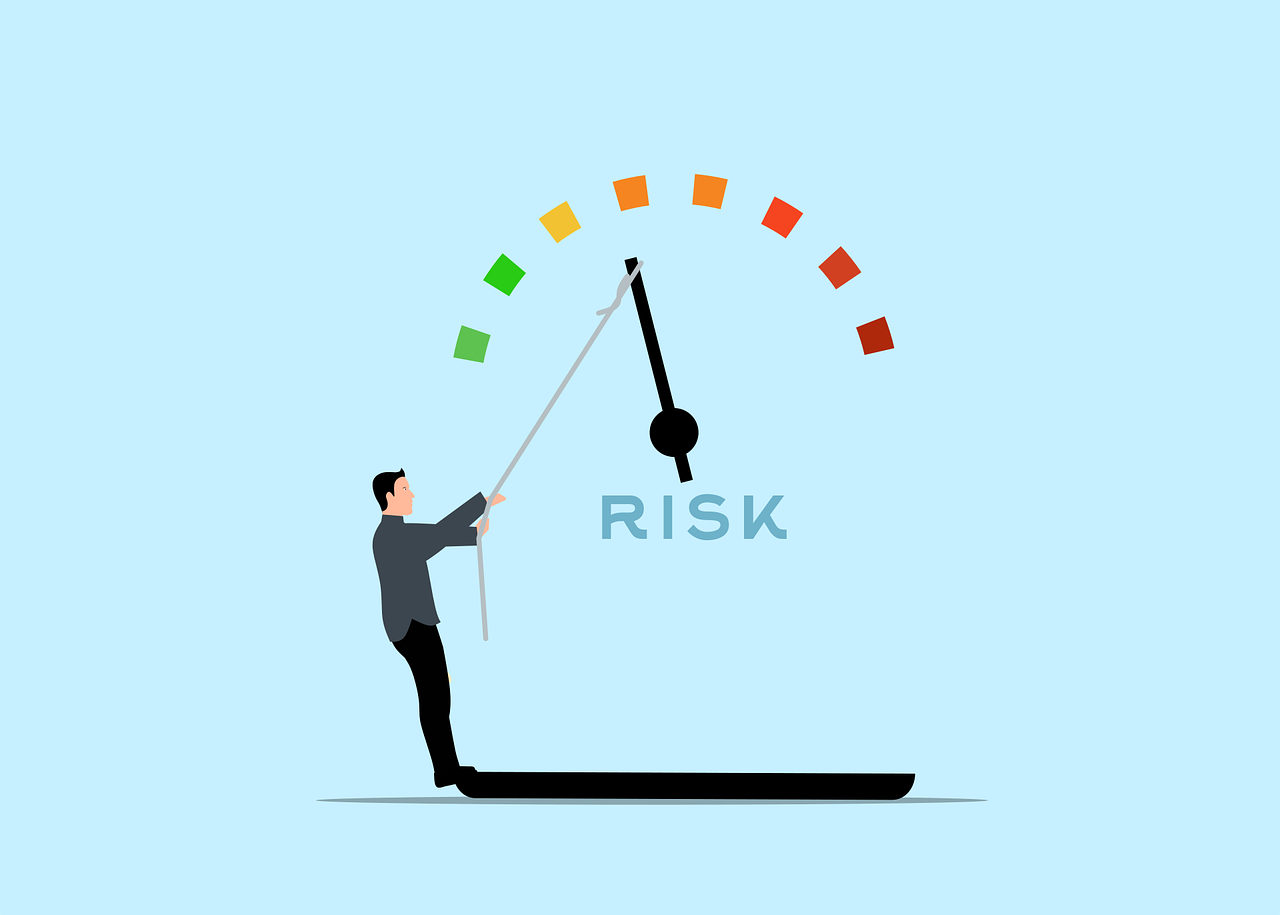

Risk Assessment Techniques for Strategic Partnerships in Finance
In the financial sector, assessing risk within strategic partnerships is vital. Risk assessment techniques help organizations identify, analyze, and mitigate potential pitfalls. These techniques focus on various factors, including market trends, regulatory compliance, and financial stability. By performing a thorough evaluation, firms can prioritize their partners more effectively, reducing financial risks. A structured approach often begins with quantitative analyses, such as financial ratios and performance metrics. These metrics aid in comparing potential partners and making informed decisions. However, qualitative assessments should also be included, encompassing reputation, cultural fit, and strategic alignment. Stakeholders must collaborate to gather insights and assess these non-numerical aspects thoroughly. Effective risk assessment requires regular updates and continual monitoring, adapting to changes in the market and the partner’s circumstances. Organizations that prioritize risk assessment can navigate potential challenges more successfully. Emphasizing communication and transparency fosters trust between partners. In conclusion, integrating both quantitative and qualitative assessments creates a comprehensive risk profile, paving the way for successful strategic partnerships in finance.
Financial organizations should utilize various tools to improve risk management. These tools include software solutions designed to analyze large datasets and provide insights into potential risks. Companies can incorporate scenarios and simulations to evaluate how external factors might impact their partnerships. Scenario analysis examines various hypothetical situations, measuring their possible outcomes on financial stability and partnership performance. Additionally, tools like Monte Carlo simulations allow firms to model uncertainties, providing a clearer picture of risk exposure. A thorough understanding of probabilities helps make risk more manageable. Combining these advanced techniques with traditional assessments leads to more informed decisions. Risk dashboards are also valuable; they summarize key risks for stakeholders in real-time, supporting timely interventions. Regular reporting mechanisms ensure that all parties remain aligned on risk exposure and mitigation efforts. This holistic approach not only prepares organizations for challenges but also strengthens relationships with partners. Regular communication about risk assessment findings solidifies trust, reinforcing the partnership’s foundation. Employees across departments should be trained in these tools to ensure cohesiveness. Ultimately, effective risk management enhances competitiveness, leading to long-lasting strategic partnerships.
Incorporating risk mitigation strategies in financial partnerships is essential. Once risks are identified through assessments, organizations must develop actionable plans. These strategies often include diversification, insurance, and contractual safeguards. By diversifying investments and not relying on a single partner, firms can spread risk across multiple avenues. This approach minimizes the impact of any single partnership failure. Furthermore, securing appropriate insurance can protect organizations against unforeseen financial losses. Contracts should include clear terms outlining each party’s responsibilities, risk-sharing agreements, and exit strategies. The importance of due diligence cannot be overstated; thorough research prior to partnership formation can prevent many challenges later. Engaging third-party experts for insights can offer objective views that highlight possible pitfalls overlooked by internal teams. Each partner should be committed to transparent communication, especially regarding risk management efforts. Understanding each other’s risk profiles fosters cooperation and ensures everyone is on the same page. Regular reviews and updates to risk mitigation plans keep the strategies relevant and effective as conditions change. By embedding risk mitigation into the partnership framework, organizations can safeguard their interests and promote stability in their strategic alliances.
Monitoring and Revising Risk Assessments
Monitoring the effectiveness of risk assessment techniques is crucial for long-term success. After assessing risks and implementing strategies, regular evaluations are necessary. Conditions in finance can change rapidly due to market fluctuations, regulatory shifts, and technological advancements; therefore, risk assessments must be dynamic. Organizations should schedule periodic reviews of their risk profiles and continue gathering relevant data to inform these reviews. Feedback loops from partners can provide critical insights, allowing firms to fine-tune their assessments continually. Moreover, developments in the partnership itself may alter the risk landscape, necessitating a reevaluation of strategies. It’s essential to document all findings and changes in risk management approaches, creating a valuable historical record. This documentation helps identify trends and patterns over time. Engaging stakeholders in these discussions provides broader perspectives, ensuring all potential risks are considered. Training employees to recognize emerging risks strengthens the organization’s overall risk culture. Additionally, leveraging technology can automate aspects of the monitoring process, making it more efficient. By committing to an adaptive and responsive risk management process, organizations can sustain resilient strategic partnerships.
A critical aspect of evaluating strategic partnerships is understanding regulatory compliance. Financial organizations must navigate complex regulatory environments that can greatly affect risk. Regulatory compliance assessments should be integrated into risk evaluation processes, ensuring that potential partners align with legal and industry standards. Non-compliance can lead to significant financial penalties and reputational damage, underscoring the need for strict adherence. Regular audits and monitoring can help identify potential compliance gaps before they materialize into significant problems. Investigating regulatory histories, including any past violations, offers additional insight into a partner’s reliability. Firms should work closely with legal advisors to understand specific regulatory requirements relevant to their industry and geographic regions. Partnering organizations should prioritize transparency, opening lines of communication early on to discuss compliance issues. Establishing compliance protocols ensures all parties are aware and accountable for adhering to regulations. Remediation plans should be in place to address compliance failures, mitigating potential risks involved. Continual education about changing regulations is essential for maintaining compliance, as ignorance is not an acceptable defense. By focusing on regulatory compliance, organizations strengthen their partnerships and enhance overall risk assessment processes.
Furthermore, cultural compatibility significantly impacts the success of strategic partnerships. Companies frequently overlook the importance of aligning corporate cultures, which can result in misunderstandings and conflict. A cultural mismatch can hinder collaboration, affecting efficiency and productivity. Before formalizing any partnership, organizations should conduct cultural assessments, exploring both companies’ values, mission, and operational styles. Cultural fit often determines how well teams will communicate and respond to challenges together. Utilizing surveys and interviews can gather data regarding employees’ perceptions and expectations. Management must also foster an inclusive environment, encouraging input from employees across all levels. Cultural training for employees from both organizations can increase understanding and foster collaboration. Misaligned expectations often lead to increased conflict and decrease the potential for shared success. Strong relationships within strategic partnerships depend on mutual respect and understanding, making cultural assessments essential in risk evaluations. Organizations should communicate openly about any cultural tensions that arise and work collaboratively to address them. Periodic evaluations of cultural alignment throughout the partnership lifespan ensure that challenges are addressed proactively. By prioritizing cultural compatibility, firms can build strong foundations for successful partnerships.
Finally, technological considerations are vital in strategic partnerships within finance. As technology continually evolves, organizations must evaluate how these changes impact partnerships. Adopting new technologies may enhance risk assessments and better align with specific business objectives. Organizations should explore tools utilizing artificial intelligence, data analytics, and blockchain to gather insights and improve decision-making processes. These technologies assist in automating risk evaluations and offer more comprehensive analyses, reducing human error. During partnership evaluations, companies should assess their partners’ technological capabilities to ensure compatibility. Organizations must also recognize the potential cybersecurity risks inherent in partnerships; shared systems can expose both firms to new vulnerabilities. Conducting thorough security assessments is essential when integrating technology, protecting both organizations’ data and reputations. Regular updates and version control within shared technologies must be maintained to ensure seamless operations. Training employees on new technologies also promotes accurate use and facilitates collaboration. By embedding technology evaluations into their risk assessment techniques, companies can create more resilient and innovative partnerships. Adapting swiftly to technological advancements allows organizations to remain competitive and further optimize strategic alliances.
In summary, evaluating strategic partnerships in finance involves various crucial techniques that ensure a successful collaboration. From risk assessment methods to continuous monitoring and cultural compatibility, organizations must adopt an all-encompassing approach. Executing these evaluations enhances overall partnership stability and effectiveness. Focusing on both qualitative and quantitative metrics allows firms to establish shared objectives. Additionally, emphasizing regulatory compliance and technological adaptability helps mitigate risks inherent in financial partnerships. Organizations should be proactive in communicating with partners, creating a culture of transparency and shared responsibility. By integrating comprehensive risk management strategies, companies set a strong foundation for enduring partnerships that can adapt to change. Through effective risk assessment, organizations can better navigate uncertainties and seize opportunities within the financial landscape. Training and engaging employees with relevant skills further fortifies these evaluations. It is essential to remember that risk assessment is not a one-time event but an ongoing process requiring regular commitments. Ultimately, financial organizations that prioritize these assessments will be better positioned to thrive in the competitive finance arena. A strategic perspective on partnerships, coupled with a robust risk management framework, fosters sustainable growth.