
Tracking Customer Journeys: Strategies for Web Analytics Success
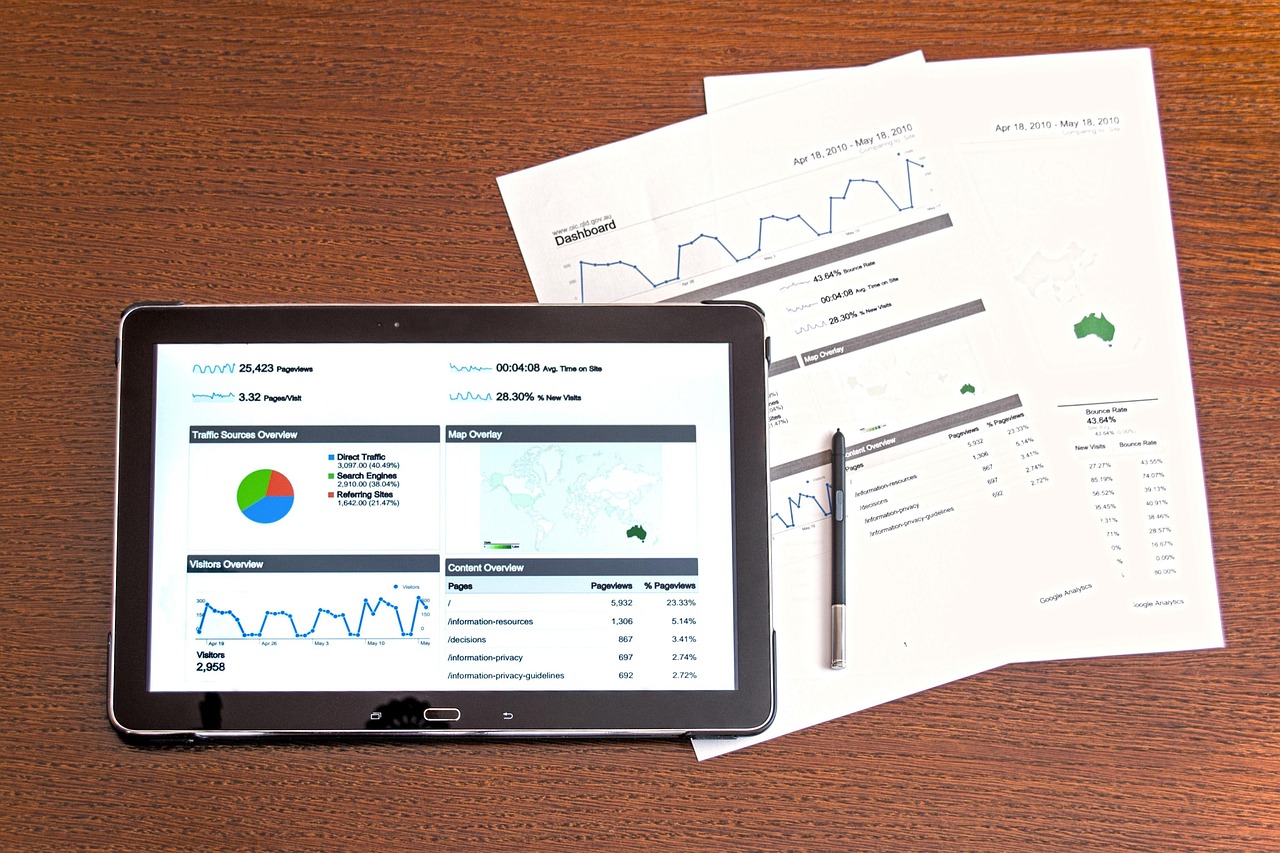
Web analytics plays a crucial role in understanding customer journeys, allowing businesses to tailor their marketing strategies effectively. By analyzing customer interactions across different platforms, organizations can gain insights into behaviors and preferences, guiding their future marketing efforts. Utilizing tools such as Google Analytics can help track various metrics, such as page views, bounce rates, and conversion rates. Analyzing these metrics allows marketers to identify drop-off points in the customer journey, revealing where improvements are needed. Additionally, segmenting data into distinct user personas can enhance the precision of insights derived from web analytics. For instance, understanding how different demographics interact with your site can lead to personalized marketing campaigns. Regular analysis of these insights helps businesses adapt to changing customer needs and preferences in real-time. Marketers should consistently review their analytics strategies, ensuring they maximize the available data. This proactive approach aids in predicting future customer behaviors and refining marketing tactics. By focusing on data-driven insights, brands can foster stronger relationships with customers, creating a more satisfying and engaging experience that ultimately drives sales and loyalty. The integration of robust web analytics tools is pivotal for ongoing success.
Moreover, tracking customer journeys requires setting clear and measurable goals aligned with business objectives. Defining Key Performance Indicators (KPIs) ensures that the analytics efforts focus on relevant outcomes, such as user engagement and sales conversion. KPIs can include metrics like average session duration, new versus returning visitors, and cart abandonment rates, which are instrumental in understanding customer behavior. Employing heatmaps can provide visual insights into user interactions on web pages, illustrating the areas that attract more attention. These visual tools enable marketers to optimize webpage layouts and enhance user experiences, encouraging visitors to explore further. Additionally, creating funnels within analytics software allows businesses to visualize the customer journey from initial engagement to final purchase. This funnel analysis illuminates critical touchpoints, uncovering where customers advocate for the brand or abandon their carts. Integrating feedback mechanisms such as customer surveys can provide direct insights into user experiences. Collectively, these strategies create a comprehensive view of the customer journey, enabling marketers to develop targeted campaigns that resonate with their audience. Ultimately, a deep understanding of these insights drives business growth by fostering increased customer satisfaction.
Enhancing User Experience Through Data
Enhancing user experience (UX) is vital for successful web analytics strategies. By focusing on data-driven insights related to customer behavior, businesses can identify pain points in the user journey and make necessary adjustments. Conducting user testing can complement analytics findings, verifying assumptions made through statistical data. Insights gained from A/B testing different elements can inform decisions about page design and content, allowing marketers to optimize user engagement effectively. Similarly, implementing personalization features, such as recommended products or customized landing pages, can create tailored experiences that keep visitors engaged. Moreover, adapting website content to be mobile-friendly is essential in today’s digital landscape, as many users access websites via mobile devices. Ensuring faster load times and easy navigation will minimize bounce rates, ultimately improving conversion rates. Using web analytics to track mobile performance is essential for adapting strategies to meet user behaviors effectively. Furthermore, studying customer feedback can provide qualitative insights important for enhancing UX. Addressing concerns raised by users can establish trust and improve brand loyalty, resulting in repeat business and positive word-of-mouth referrals. Collectively, strategically refining UX enhances overall marketing effectiveness.
Additionally, exploring social media metrics can expand the understanding of customer journeys. Social media analytics tools enable marketers to track interactions across various platforms, providing insights into customer sentiments and preferences. Analyzing metrics such as shares, likes, and comments can highlight which content resonates most with the audience. Social listening strategies can further enhance insights by monitoring brand mentions and industry-related discussions across social channels. By integrating social media analytics with web data, businesses can present a cohesive view of the customer journey, discovering how social interactions influence web traffic and conversions. Tracking customer paths from social media to landing pages offers critical information on the effectiveness of social campaigns. Implementing share buttons on website content allows users to easily circulate brand messages, boosting visibility. Promoting user-generated content through social media can also lead to increased trust in the brand, showcasing positive experiences shared by existing customers. Marketers should consistently leverage these insights to tailor messaging and increase engagement across both web and social platforms. Understanding the synergy between web analytics and social metrics enhances overall marketing impact and customer relationship management.
Implementing Advanced Analytics Techniques
Implementing advanced analytics techniques can vastly improve understanding customer journeys. Machine learning algorithms and predictive analytics offer innovative insights into customer behavior trends. These technologies analyze historical data to predict future actions, allowing businesses to anticipate customer needs proactively. By implementing these tools, organizations can refine their marketing efforts and allocate resources effectively. Moreover, cohort analysis helps identify patterns among groups of customers based on shared characteristics, providing deeper insights into their behaviors and preferences. Understanding these segments allows marketers to create highly targeted campaigns that resonate with each audience type. Role of artificial intelligence in data analysis should not be underestimated, as AI can automate data collection and analysis processes, saving time and resources. Additionally, employing natural language processing tools can transform qualitative customer feedback into actionable data that drives strategic improvements. Regularly reviewing these analyses should be part of the business strategy to ensure continuous optimization. As technology evolves, marketers must stay current with best practices to harness the full potential of analytics tools. Adopting an agile approach to implementing advanced analytics ensures sustained growth and adaptability in an ever-changing market landscape.
Furthermore, integrating cross-channel tracking is essential for a holistic view of the customer journey. Customers today interact with brands across multiple touchpoints before making a purchase, including social media, email, and online ads. Implementing Universal Analytics enables businesses to track user interactions across all these platforms, providing a comprehensive understanding of their journey. This integration facilitates the analysis of multi-channel attribution, allowing marketers to determine which touchpoints have the most significant impact on conversions. Accurate attribution modeling guided by analytics insights helps allocate marketing budgets more effectively. It’s vital for marketers to avoid relying solely on last-click attribution, as this may overlook crucial interactions that spurred earlier engagement. Additionally, implementing tag management systems simplifies tracking across various platforms, ensuring consistency in data collection. Being able to view the customer journey from multiple perspectives allows for more informed decision-making. Continuous monitoring and refinement of cross-channel analytics strategies are crucial for adapting to evolving customer behaviors. Ultimately, using these insights empowers marketers to optimize their strategies and foster deeper connections with customers.
Measurement of Success and Continuous Improvement
Measuring the success of web analytics initiatives is vital for ongoing improvement. Businesses should establish a system for consistently evaluating the effectiveness of implemented strategies and adjustments. Regularly reviewing key metrics against defined KPIs enables marketers to identify areas of success and opportunities for enhancement. Utilizing data visualization tools presents insights in comprehensible formats, allowing teams to make informed decisions quickly. Top-level managers and stakeholders should also be involved in these evaluations, ensuring alignment with overall business objectives. Establishing feedback loops using customer surveys or direct outreach can provide qualitative insights that complement quantitative metrics. These insights can bridge any gaps between customer expectations and business offerings. Additionally, adopting a trial and error approach when implementing new strategies fosters a culture of innovation. Marketers should be open to experimenting with various tactics to identify what resonates most with their audience. Continuous improvement based on data-driven insights ensures strategies remain effective over time. By remaining vigilant about the evolving marketing landscape, marketers can adapt quickly to changes in consumer behavior, ultimately mastering web analytics for sustained success.
Incorporating the aforementioned strategies ensures businesses maximize their web analytics potential, ultimately enhancing customer journeys. By focusing on comprehensive tracking, refining user experience, and utilizing advanced analytics techniques, organizations can create targeted marketing campaigns that resonate with their audiences. Enhancing engagement through social media metrics and cross-channel tracking adds further depth to understanding customer behavior. Measurement of success and continuous improvement in strategies is crucial for fostering long-term relationships with customers. As businesses further embrace a data-driven marketing approach, they will unlock significant opportunities for growth and innovation. This commitment to analytics not only boosts conversion rates but also strengthens overall customer satisfaction. Ultimately, brands that utilize data effectively will thrive in today’s competitive landscape, leading to increased brand loyalty and customer retention. The importance of keeping strategies flexible and adaptable cannot be understated. Continuous learning from customer insights and behaviors will ensure marketing endeavors remain relevant and impactful. As we navigate an increasingly complex digital ecosystem, implementing robust analytics practices will be the cornerstone of successful marketing strategies for the future.