
Marketing Automation Reporting for Small Businesses
In today’s competitive market, small businesses must leverage marketing automation reporting to streamline their efforts. This involves collecting and analyzing data from various marketing channels, which enables businesses to better understand their performance. By utilizing software tools for reporting automation, small enterprises can gain insights into their campaigns and optimize their strategies. These insights allow businesses to identify trends, customer preferences, and the return on investment (ROI) on their marketing activities. Tracking metrics such as email open rates, social media engagement, and website traffic is critical. With accurate reporting, businesses can make informed decisions. This helps in targeting the right audience effectively, thus saving time and resources. Moreover, automating reporting processes reduces the manual workload on marketing teams. This results in enhanced productivity, allowing employees to focus on creative tasks rather than data collection. Therefore, for small businesses, implementing marketing automation reporting is not just a luxury but a necessity. Investing time in understanding these reporting tools is vital, as they ultimately pave the way for improved marketing strategies and business growth.
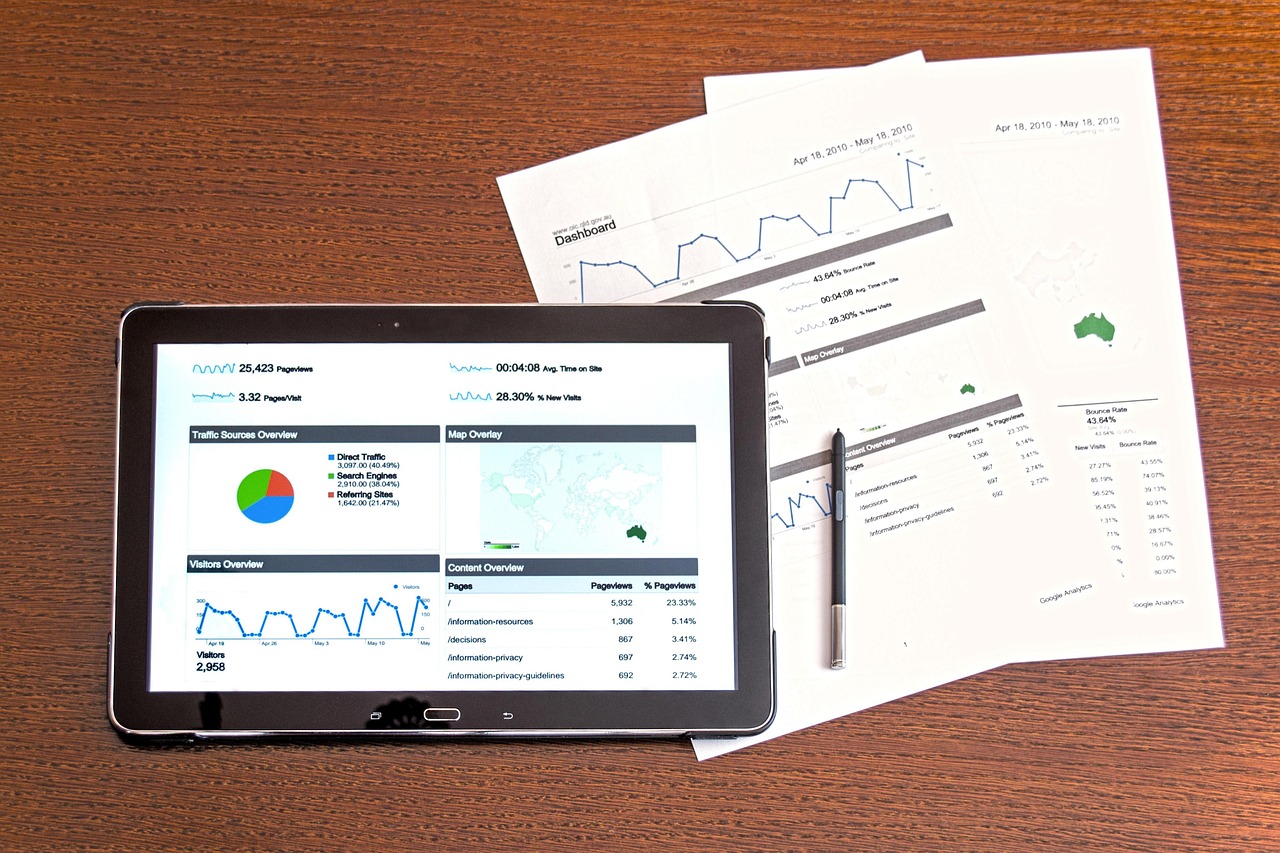
One of the key components of marketing automation reporting is data visualization. By presenting data in an easily understandable format, businesses can quickly grasp trends and performance metrics. This might involve using charts, graphs, or dashboards. Visual tools enhance clarity, enabling stakeholders to assess the effectiveness of various campaigns. For instance, a bar graph comparing email clicks can show which campaigns resonated most with the audience. Utilizing data visualization tools makes the information accessible to all team members, facilitating discussions about strategies and improvements. Additionally, many marketing automation software options offer built-in visualization features. These tools allow businesses to customize their reports to highlight what matters most. This means small businesses can focus on metrics relevant to their goals and audience. Another advantage of data visualization is the possibility of sharing insights easily with clients or team members. Presentations can be enriched with visual data, promoting better understanding and engagement. As reporting evolves, adopting effective data visualization methods becomes essential for small businesses aiming to remain competitive in their marketing efforts.
Key Metrics to Track in Marketing Automation
When it comes to marketing automation reporting, identifying key metrics is crucial for success. Small businesses should focus on several essential performance indicators (KPIs) that drive their marketing strategies. Start with the conversion rate, which measures the percentage of visitors who undertake desired actions, such as making a purchase. This metric helps assess the effectiveness of landing pages and marketing efforts. Another vital metric is customer acquisition cost (CAC), indicating the total cost associated with acquiring a new customer. Understanding this helps businesses allocate budgets effectively. Additionally, tracking customer lifetime value (CLV) is indispensable. This metric reveals how much revenue a customer is expected to generate during their engagement with the business. Identifying trends in customer behavior and demographics can make a difference in targeting future campaigns. Engagement metrics like click-through rates (CTR) or social media interactions provide insights into how audiences respond to content. Finally, email marketing metrics, such as open rates and unsubscribe rates, are indicators of content relevance. Monitoring these metrics ensures marketing automation efforts align with business objectives, leading to better planning and results.
The implementation of effective reporting tools is essential for small businesses to maximize the benefits of marketing automation. Numerous platforms offer integrated reporting capabilities, allowing users to consolidate data from various sources. Tools like HubSpot, Mailchimp, and Google Analytics provide in-depth insights pertinent to campaigns. For example, HubSpot allows users to track email performance, social media interactions, and the effectiveness of landing pages all within one dashboard. On the other hand, Google Analytics excels at presenting website traffic data, user behavior, and conversion tracking. By employing these tools, small businesses can conduct A/B testing on campaigns. This process involves sending out different versions of emails to see which performs better. Ultimately, choosing the right reporting tool depends on the unique requirements of each business. Some may prioritize user-friendly interfaces, while others might need advanced analytical features. Investing in robust reporting automation solutions can significantly influence the marketing strategies of small businesses, driving informed decision-making and promoting sustainable growth.
Benefits of Automating Reporting Processes
Automating reporting processes comes with several advantages for small businesses looking to enhance their marketing efforts. One of the primary benefits is saving time. With automation, the repetitive task of compiling data from different platforms can be streamlined, allowing marketing teams to focus on strategy development rather than manual data entry. In addition to time savings, automation helps reduce errors. Manual reporting often leads to discrepancies due to human oversight, while automated systems ensure accurate data collection and visualization. This reliability fosters trust in the analytics provided, enabling better decision-making based on accurate performance metrics. Furthermore, automated reporting can facilitate immediate adjustments to campaigns based on real-time insights. For instance, if a particular email campaign performs poorly, adjustments can be made on the spot. Automation also promotes consistency, as automated reports can be generated on a regular basis, ensuring stakeholders always have access to the latest data. Overall, for small businesses, the benefits of automating reporting processes extend far beyond mere efficiency; they lead to improved strategy formulation, better resource allocation, and enhanced overall performance.
Engaging with your target audience is vital, and marketing automation reporting can provide insights into audience behavior. By analyzing data collected from various sources, businesses can identify segments within their customer base that respond positively to specific campaigns. This allows for personalized marketing efforts tailored to individual preferences. For example, if data shows that a certain demographic engages more with social media advertisements, businesses can focus on strengthening that channel. Utilizing audience insights derived from automation reports can lead to higher engagement rates and, ultimately, more conversions. Automated surveys and feedback systems can also be integrated to gather direct consumer insights, supporting continuous improvement. With this knowledge, marketers can adapt content and messaging to match audience preferences, creating a more engaging experience. Additionally, measuring customer feedback consistently allows for prompt adjustments to marketing strategies. By ensuring continuous dialogue with the audience, small businesses can establish long-lasting relationships and build brand loyalty. This cyclical process of gathering data, analyzing it, and adjusting strategies is central to succeeding in today’s dynamic marketing landscape.
Conclusion: The Future of Reporting Automation
As the marketing landscape continues to evolve, the importance of reporting automation for small businesses cannot be overstated. With technology advancing rapidly, the future promises even more efficient solutions for collecting and analyzing marketing data. Businesses that proactively adopt these technologies will gain a competitive edge, allowing them to respond swiftly to market changes and consumer demands. Emerging tools are likely to incorporate artificial intelligence and machine learning, enabling deeper insights and predictive analytics. Small businesses will then be able to not only look back at past performance but also forecast future trends based on solid data. This will lead to more informed strategy formulation and resource allocation. Furthermore, integrating reporting automation into existing systems will become increasingly seamless, making it accessible for small businesses with limited technical expertise. The continuous evolution of consumer behavior will necessitate adapting marketing strategies accordingly, and automated reporting will play a crucial role in that adaptability. Thus, small businesses should view investing in reporting automation not merely as a trend but as a fundamental step toward sustainable growth and lasting success in the digital marketing realm.
In summary, marketing automation reporting is an essential tool for small businesses aiming to enhance their marketing efforts. By focusing on key metrics, utilizing effective tools, automating processes, and engaging audiences, businesses can maximize their marketing strategies. Embracing these practices helps small enterprises understand customer behavior better, track campaign performance effectively, and adapt their strategies in real-time. Automating reporting endows businesses with accurate insights and valuable data, which can guide decision-making and improve marketing outcomes significantly. As the field evolves, training staff and staying updated with emerging tools will be vital. Small businesses should leverage the benefits of reporting automation to maintain competitiveness in the ever-changing market landscape. By investing in reporting solutions and integrating them into daily operations, small businesses can streamline their reporting processes and focus on growth. Ultimately, mastering marketing automation reporting can empower small businesses to not only meet their current objectives but also prepare for future challenges, ensuring long-term success and sustainability.