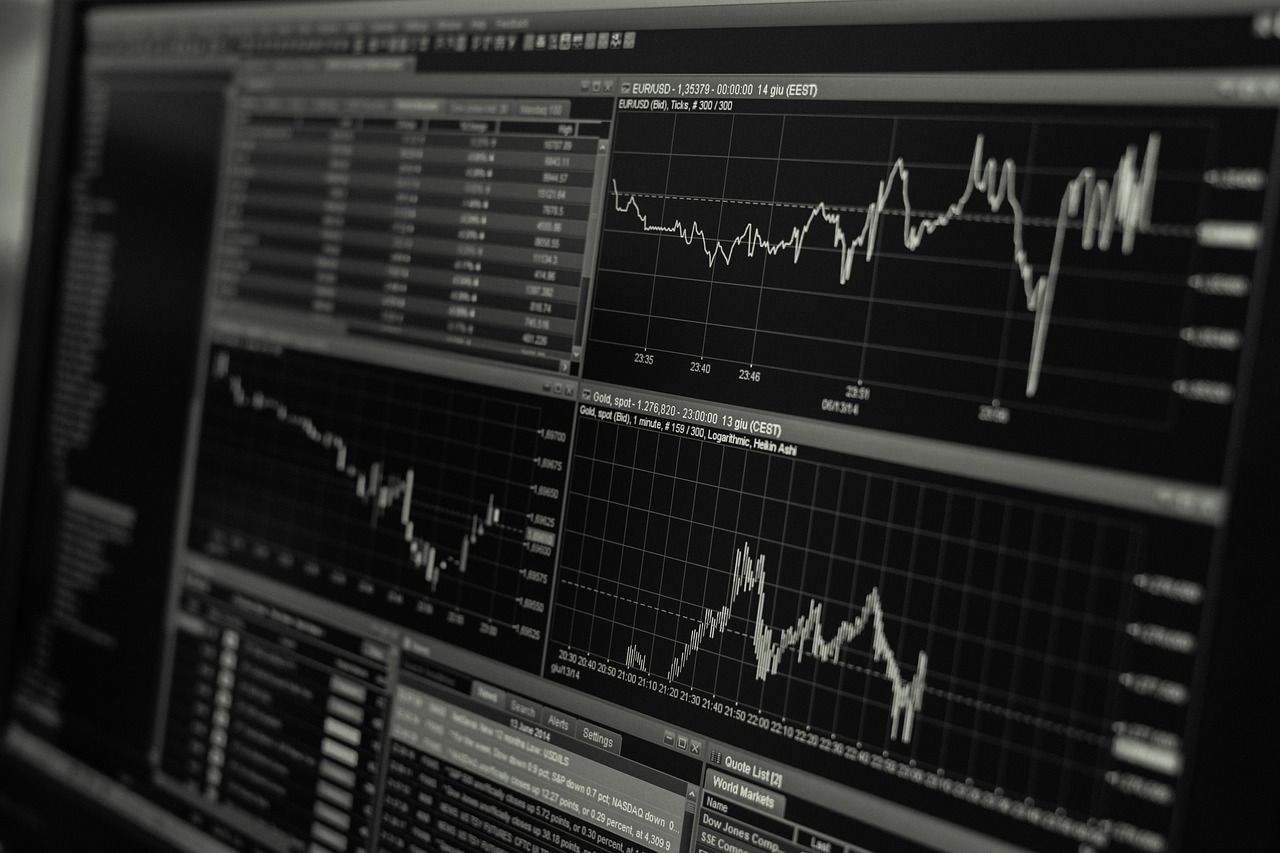

Understanding Social Trading Features
Social trading features within stock market apps have revolutionized the investment landscape by enabling investors to connect and collaborate. These platforms allow individuals to observe trading activity and strategies of other users, providing valuable insights and learning opportunities. By following successful traders, novice investors can gain a deeper understanding of market trends and decision-making processes. Furthermore, these features foster a sense of community among investors, encouraging knowledge-sharing and confidence-building. With the advancement of technology, many stock market apps now integrate advanced social features, such as chat rooms, discussion boards, and leaderboards that display top traders. This element of competition can further motivate users to optimize their trading approaches and stay updated on the latest trends. Moreover, the array of tools available allows users to copy trades directly from experienced investors, reducing the barriers for those just starting out in the market. In essence, social trading features create an engaging environment that empowers users to enhance their trading skills and ultimately achieve better investment outcomes.
Benefits of Community Engagement
One standout advantage of social trading is that it promotes community engagement among investors. By interacting with seasoned traders and fellow investors, individuals can share tips, strategies, and opinions that they may not have encountered otherwise. This exchange of insights fosters a collaborative space where users can learn from both successes and failures. Additionally, many stock market apps have built-in forums where users can discuss market events in real-time, enhancing information flow. This is particularly beneficial during periods of market volatility, where quick decision-making is vital. Engaging with a community can also aid in emotional support, especially during challenging trading phases. When individuals see how others manage their emotions and strategies, it can help them make more rational choices rather than impulsive ones. The social aspect serves as a cornerstone for novice investors to build confidence and refine their trading styles. Overall, the engagement fostered by social trading features can lead to a more informed, cooperative, and ultimately successful investment journey for all.
Moreover, stock market apps featuring social trading capabilities often provide performance metrics that users can leverage. Investors can analyze not just their own trades but also the performance of others they follow, thus gaining insights into effective strategies and techniques. Many platforms offer detailed statistics and graphical representations of profit margins, risk factors, and trading frequencies for different users. These tools empower investors to make informed decisions based on quantifiable data rather than merely intuition or speculative assumptions. By evaluating the success rates of expert traders, users can identify patterns and methodologies that resonate with their own investment philosophies. Furthermore, this access to performance data creates a level of transparency that can enhance user trust in the community. Knowing that trades are backed by real results fosters a more collaborative environment, where ideas can flourish and traders can evolve their skill set. Overall, such performance-driven features greatly contribute to the educational and practical elements of social trading, ensuring users are not only participating but thriving in their investment endeavors.
The Role of Education in Trading
Education is another critical benefit of social trading features in stock market apps. Many platforms integrate educational resources such as articles, webinars, and tutorials that cater to various skill levels. They often cover essential trading concepts, market analyses, and specific strategies employed by successful traders. These learning materials are usually curated by experienced professionals, ensuring that users receive high-quality, relevant information. By participating in communities where traders share their educational content, users can expand their knowledge base significantly. Educational aspects also underscore the importance of informed trading, helping individuals to understand not only how to trade but why certain strategies work. This deeper comprehension can lead to smarter investment decisions over time. Additionally, users can pose questions in community forums and receive feedback, further enhancing their learning experience. This combination of shared knowledge and formal education creates an environment where continuous improvement is celebrated. As investors become more educated and confident in their skills, they are better prepared to navigate the complexities of the stock market successfully.
Furthermore, social trading platforms enhance the accessibility of financial markets. Traditionally, stock trading was often perceived as an exclusive activity reserved for those with extensive knowledge or wealth. However, social trading democratizes this field, making it accessible to a broader audience. New investors can start trading with lower capital and still receive guidance from more experienced traders, making entry into the market less daunting. Additionally, as social trading becomes more widespread, it also encourages a younger demographic to participate in stock trading. This increase in participation can ultimately lead to a more dynamic market with fresh ideas and perspectives. The guidance available through social trading apps helps to bridge the knowledge gap for novice investors, enabling them to form their investment strategies effectively. As a result, users are more likely to invest sustainably and responsibly, as they are better informed about risk management and trading practices. This education and mentorship model fosters a healthier investment climate overall, allowing more people to benefit from financial markets.
Risk Management via Social Trading
Effective risk management is a fundamental aspect of successful investing, and social trading features in stock market apps support this crucial element. By observing the investment patterns of more experienced traders, users can learn to recognize potential risks and mitigate them effectively. Many social trading platforms allow users to view the risk scores of different traders, providing insight into their trading strategies and potential volatility. This transparency enables new investors to align themselves with traders whose risk tolerance matches their own. Moreover, platforms encourage discussions about risk management strategies, creating an educational environment that focuses on protecting investments. As novice traders interact with the community, they can share their experiences dealing with losses or downturns, thus learning valuable lessons from real-world situations. This shared knowledge contributes to a more proactive approach to risk management among users. Engaging with seasoned traders who can demonstrate effective hedging, diversification, and budgeting techniques fosters awareness. Overall, social trading instills a mindset geared toward responsible investing, ultimately benefitting both individual traders and the market.
Additionally, social trading features can enhance emotional discipline, which is vital for any investor. Trading can invoke a range of emotions, especially during market fluctuations, but being part of a community can help mitigate anxiety and impulsive behavior. Seeing others trade successfully can inspire confidence, while discussions can provide external perspectives that serve as a reminder of sound trading principles. Users who participate in social trading may find it easier to stick to their strategies, even when markets are volatile. They can share their struggles and triumphs, allowing for emotional support that traditional investing methods lack. This collective experience reinforces the importance of maintaining discipline in trading decisions, helping users to avoid emotional pitfalls. Furthermore, the camaraderie found in social trading environments is invaluable. Users often become part of a support network that checks each other’s tendencies, encourages responsible trading, and ensures that emotional balance is maintained. This emotional fortitude ultimately leads to a healthier investment approach within stock trading, fostering a more robust financial ecosystem where investors can thrive.
In conclusion, social trading features embedded within stock market apps provide numerous benefits to investors. They empower individuals through enhanced collaboration, education, and adaptability, thereby creating a more inclusive investing environment. By connecting novice traders with experienced individuals, these platforms encourage knowledge-sharing, effective risk management, and emotional discipline. As investors engage with these communities, they can maximize their learning experiences and refine their trading practices, adding to their overall success. The transparency associated with social trading allows users to make more informed decisions based on measurable performance while also fostering the spirit of cooperation. As the financial landscape continues to evolve, the significance of social trading will only become more pronounced, offering fresh opportunities for growth and learning. Overall, embracing social trading features in stock market apps is essential for both new and experienced investors aiming to enhance their trading strategies and outcomes.