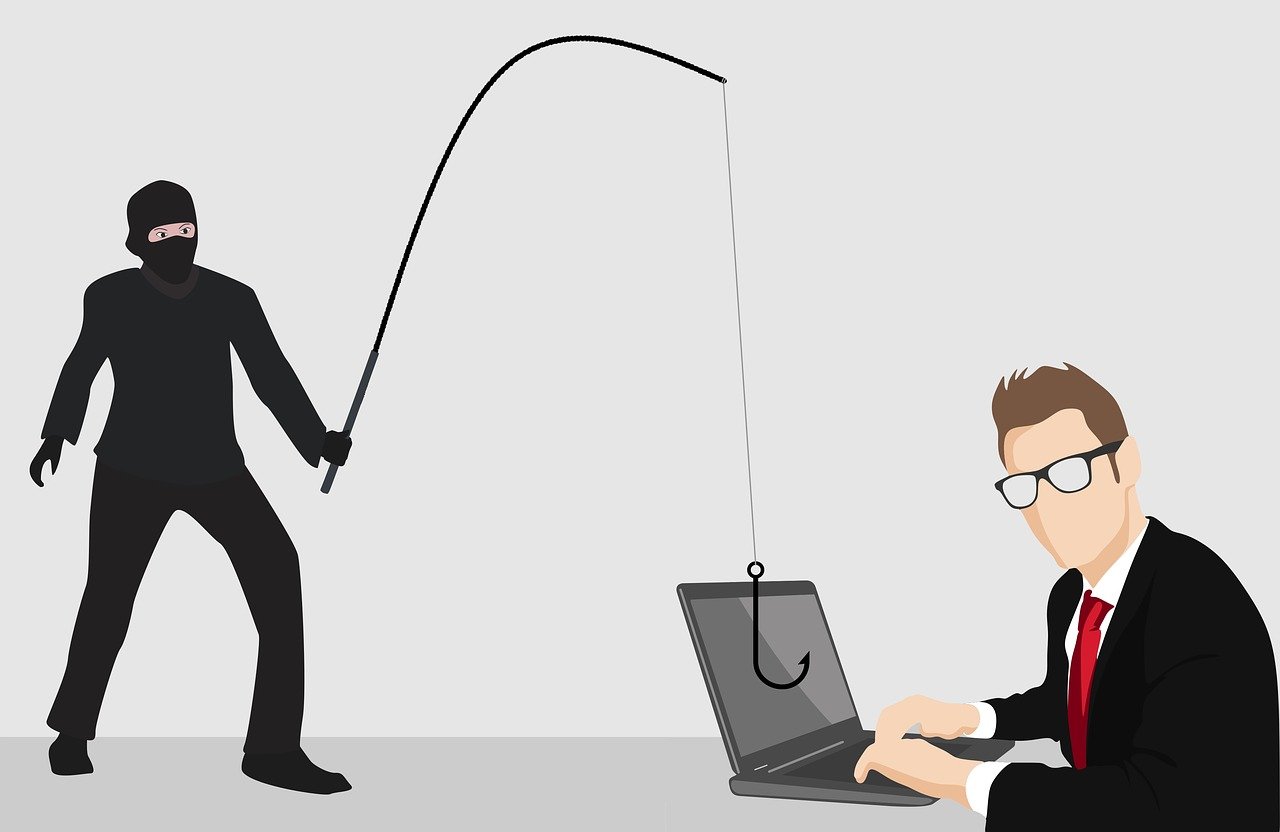

Protect Yourself Against Investment Advisor Fraud
Investment advisor fraud is a serious issue that affects many individuals who are seeking financial guidance. Fraudulent advisors can manipulate their clients, leading them to investment opportunities that are often too good to be true, ultimately resulting in significant financial losses. To protect yourself, it is essential to conduct thorough research before committing to an advisor. Always verify their credentials through reputable organizations such as the Financial Industry Regulatory Authority (FINRA). You may also consider searching for online reviews and testimonials to better understand their reputation, as well as talking to past clients. Furthermore, ensure that your potential advisor is registered, which can be easily checked through various databases. Regular updates on the performance of your investments can help you stay informed. If an advisor tires to pressure you into making quick decisions or seems overly secretive, it’s crucial to become wary, as these are common red flags of fraud. Remember, taking the time to understand their investment strategy is vital to making informed decisions with your financial future.
The next steps in protecting yourself against investment advisor fraud include understanding the signs of fraudulent activity. Knowledge can be a powerful asset for investors facing potential scams. Scammers often create a sense of urgency, pushing individuals to invest as quickly as possible to avoid losing out. They might promise unrealistic returns, such as doubling your money in a few weeks, which should raise immediate concerns. If the investment opportunity involves complex financial products or seems difficult to understand, it could also be a warning signal. Be cautious of unsolicited offers from strangers, as these are frequently associated with fraudulent schemes. Conversations around unregistered products or investments are also common, and often the advisor will have various legal loopholes or excuses ready to counter any skepticism. It’s critical to get everything in writing, as this will provide you with documented proof of the advisor’s claims and promises. Familiarizing yourself with financial jargon and understanding basic investment principles are essential tools for safeguarding your economic interests. By doing so, you can better navigate through potential scams and identify fraudulent advisors more easily.
Reporting Investment Fraud
If you suspect that you have been a victim of investment advisor fraud, it is crucial to act swiftly to minimize potential losses. Start by gathering all documentation related to your investments and communications with the advisor. This can include account statements, emails, and contracts. Once you have compiled the necessary evidence, you should report the fraud to the relevant authorities. In the United States, this typically involves filing a complaint with the Securities and Exchange Commission (SEC) or FINRA, both of which take investor complaints seriously and investigate them thoroughly. It’s also advisable to contact your state’s regulatory agency, as they may have additional resources available for victims like you. Legal action can often be an avenue worth considering, especially for recouping lost funds. Consulting with a qualified attorney specializing in securities law can help navigate the complexities of such cases and provide guidance on next steps. Keep in mind that acting quickly increases your chances of recovering your lost funds and will help prevent the advisor from potentially scamming more investors.
In addition to reporting fraud, another essential measure against investment scams is continuous education. Staying informed about financial products, market trends, and the general landscape of investment opportunities can make a significant difference in recognizing potential scams. Many reputable organizations offer free resources, such as webinars, articles, and guides aimed at educating the public about avoiding scams. Engaging with community workshops can also empower you with the necessary knowledge to make informed choices. Make it a habit to read about previous scams or case studies to understand their mechanics and learn how to avoid them in the future. Furthermore, consider joining investment clubs or forums where members share their experiences and offer insights into safe investment practices. Networking with experienced investors can give you a broader perspective and enhance your investment acumen. While knowledge alone doesn’t guarantee immunity from fraud, being empowered through learning can be one of the most effective strategies for staying one step ahead of potential scammers and making sound investment decisions.
The Role of Regulatory Agencies
Regulatory agencies play an essential role in ensuring the integrity of the financial markets and protecting investors. These organizations work to enforce laws and regulations that govern financial advisors, holding them accountable for their actions. Among the most prominent agencies in this space is the Securities and Exchange Commission (SEC), which oversees securities transactions, maintains fair markets, and protects securities investors. Additionally, the Financial Industry Regulatory Authority (FINRA) provides oversight of broker-dealers and their registered representatives. One of their primary missions is to ensure that investors receive essential information about the risks associated with investments. Becoming familiar with these organizations and their respective mandates can empower you to make informed decisions and report suspicious behaviors effectively. These bodies also regularly publish educational materials aimed at helping investors recognize fraudulent activities and contact details for reporting fraud. Use their resources to educate yourself and stay updated on regulatory changes. Knowing your rights as an investor is a crucial part of being proactive in your financial endeavors, particularly in safeguarding against potential financial scams.
Engaging with your investment advisor on a regular basis is another effective strategy to safeguard yourself against fraud. Establishing a good rapport with your advisor can help build trust, which may deter fraudulent behavior. Schedule regular meetings or check-ins to discuss the performance of your investments and address any concerns you may have. During these conversations, ensure that your advisor openly answers your questions and provides documentation supporting their claims. Don’t hesitate to inquire about any fees or commissions associated with your investment choices. A transparent advisor should be willing and able to explain these costs in detail. Moreover, reviewing your investment portfolio periodically can alert you to any unusual changes or discrepancies that might signify fraud. If you notice anything amiss, don’t ignore it; address your concerns directly with your advisor right away. Always remember that maintaining an active, engaged relationship with your investment advisor is an essential part of your overall financial health. Empowerment through constant communication and transparency can make a significant difference in protecting your investments.
Conclusion and Final Tips
In conclusion, protecting yourself against investment advisor fraud requires diligence, knowledge, and proactive measures. Be sure to conduct extensive due diligence before hiring any advisor, including verifying their credentials and monitoring their activities regularly. Stay aware of the common signs of fraud and be vigilant when communicating with financial professionals. Document every conversation, keep accurate records, and don’t shy away from reporting suspicious activities. Remember, education is your best defense; invest in your financial literacy by utilizing resources from regulatory agencies and other informative platforms. Engage with your advisor to ensure transparency in your investments and ask questions whenever necessary. Finally, always trust your instincts; if something feels off or too good to be true, it likely is. By applying these strategies, you’ll be more equipped to protect your hard-earned money from the risks posed by fraudulent advisors, allowing you to invest confidently for your financial future. Adopting a conscious approach towards future investments can instill peace of mind and secure your financial journey.
Investment advisor fraud is a serious issue that affects many individuals who are seeking financial guidance. Fraudulent advisors can manipulate their clients, leading them to investment opportunities that are often too good to be true, ultimately resulting in significant financial losses. To protect yourself, it is essential to conduct thorough research before committing to an advisor. Always verify their credentials through reputable organizations such as the Financial Industry Regulatory Authority (FINRA). You may also consider searching for online reviews and testimonials to better understand their reputation, as well as talking to past clients. Furthermore, ensure that your potential advisor is registered, which can be easily checked through various databases. Regular updates on the performance of your investments can help you stay informed. If an advisor tires to pressure you into making quick decisions or seems overly secretive, it’s crucial to become wary, as these are common red flags of fraud. Remember, taking the time to understand their investment strategy is vital to making informed decisions with your financial future.