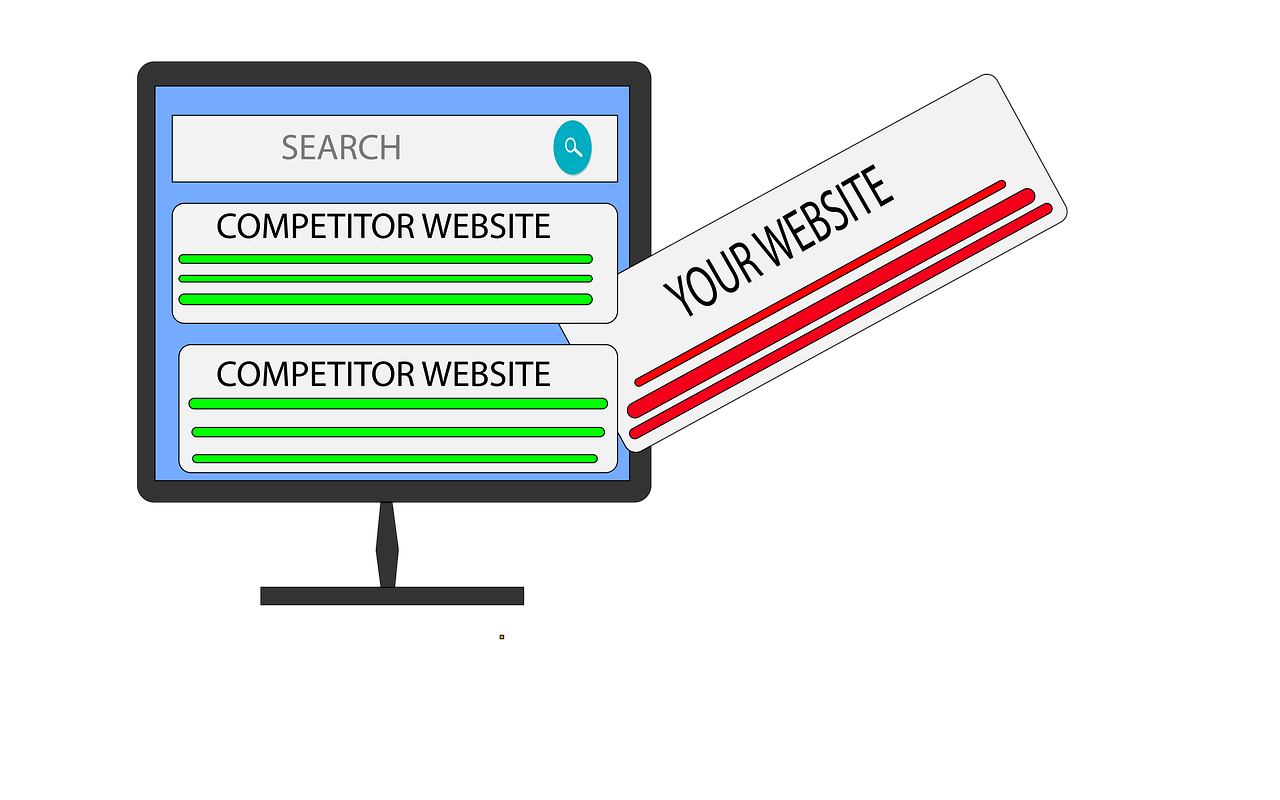

Aligning Sales Tactics with Competitor Market Positioning
In the dynamic realm of sales strategies, understanding how to align your tactics with competitor market positioning is fundamental for success. This alignment ensures that your sales initiatives are not only relevant but also competitive. Market positioning involves analyzing how competitors present their products and services in relation to customer needs and preferences. By conducting a thorough competitor analysis, you can identify gaps in the market and potential opportunities that your business can exploit. Furthermore, understanding your competitor’s strengths and weaknesses allows for crafting a tailored sales approach that can outperform theirs. Ensure to collect data from various sources such as industry reports, customer feedback, and direct observations. This holistic view of the competitive landscape is invaluable, as it equips your sales team with the insights required to effectively resonate with prospects. Ultimately, aligning your sales tactics with competitor actions can lead to improved customer engagement and higher conversion rates. Additionally, fostering a culture of continuous learning and adaptation within your sales team plays a pivotal role in maintaining a competitive edge in today’s ever-evolving marketplace.
The Importance of Competitor Analysis in Sales
Competitor analysis serves as a cornerstone in developing effective sales strategies. It allows businesses to benchmark their performance against rivals and understand the broader market ecosystem. By identifying direct competitors, businesses can accurately gauge performance metrics such as pricing, promotional strategies, product features, and customer service quality. This information aids in pinpointing areas for improvement within your own offerings. Furthermore, a robust competitor analysis provides insights into market trends and customer behaviors that may inform sales tactics. With access to this data, sales teams can customize their pitches, making them more relevant to the target audience. The increased relevance can facilitate deeper connections with potential customers. Additionally, observing competitors’ marketing strategies may uncover unique approaches that can be adapted or enhanced. A collaborative effort among marketing and sales teams in gathering and interpreting this information leads to a more cohesive strategy underpinned by facts. Ultimately, prioritizing competitor analysis can yield tactical advantages and elevate your team’s performance in achieving sales goals.
Moreover, a successful competitor analysis incorporates not only quantitative data but also qualitative insights. Engaging with customers through surveys and interviews can uncover preferences and perceptions that numbers alone may not reveal. Understanding customer sentiment towards competitors can illuminate paths for enhancement in service delivery and product features. In addition, social media and online consumer reviews are rich sources of information regarding public perceptions of competitors. By monitoring such platforms, businesses can identify trends, customer pain points, and opportunities to address unmet needs effectively. This dual approach of leveraging both qualitative and quantitative insights facilitates a well-rounded perspective that contributes to formulating refined sales tactics. Furthermore, workshops and joint brainstorming sessions involving team members across departments reinforce the collective understanding of competitor positions and consumer expectations. Ongoing competitor analysis must be woven into the fabric of an organization’s culture. Regularly revisiting competitors’ tactics can motivate innovation and foster an agile mindset within sales teams, preparing them to adapt rapidly to changes in market dynamics and consumer habits.
Leveraging Technology for Enhanced Analysis
In today’s digital age, leveraging technology plays a crucial role in enhancing competitor analysis. Various analytical tools can streamline data collection and provide comprehensive insights that were once time-consuming to gather manually. For example, customer relationship management (CRM) systems integrate various data sources to give a 360-degree view of competitor interactions and customer touchpoints. Furthermore, analytics platforms can offer real-time insights into market trends, sales performance, and customer preferences with ease. Social listening tools also enable sales teams to monitor online conversations related to competitors and their offerings. These tools can uncover customer sentiment and highlight areas where competitors may be excelling or falling short. The integration of these technologies can exponentially increase the speed and accuracy of your analysis. Moreover, creating dashboards that display competitor metrics enables sales teams to visualize data effectively, aiding quicker decision-making. Utilizing technology also fosters collaboration among team members by providing a centralized repository of information that all can access. By harnessing these advanced tools, companies can ensure they remain agile and informed in competitive sales environments.
In order to align sales tactics with the competitive landscape, businesses must establish clear objectives based on their analysis. Setting specific, measurable, achievable, relevant, and time-bound (SMART) goals allows sales teams to focus their efforts in areas where they can make the most significant impact. These goals should be informed by insights gained from competitor analysis which may reveal market opportunities and consumer demands. Continuous evaluation of these objectives ensures that your sales strategy remains responsive. It is also beneficial to conduct periodic reviews of your competitive position versus that of your rivals. This regular check-in helps teams identify if changes in the market necessitate a pivot in strategy. As a best practice, include feedback loops where team members can discuss what sales tactics are resonating well, based on competitor positioning. Additionally, encourage a culture of adaptability where sales teams can rapidly respond to new challenges. Continuous adaptation and realignment will better position your business against competitors, thereby enabling the achievement of sales targets and fostering a sustainable competitive advantage.
The Role of Training and Development
Training and development play an essential role in equipping sales teams to implement strategies informed by competitor analysis effectively. It is crucial that employees understand not only the company’s objectives but also the context of the competitive environment they operate within. Regular training sessions focused on understanding competitor positioning, product differentiation, and effective sales techniques should be prioritized. These sessions can include role-playing exercises that simulate competitive scenarios and allow sales professionals to practice responses. Furthermore, engaging industry experts to lead seminars can also provide valuable knowledge directly related to competitor landscapes. By investing in ongoing education, organizations empower their sales teams to feel more confident and informed when approaching potential clients. Employee development should aim to strengthen both hard and soft skills that contribute to sales success, such as negotiation techniques and emotional intelligence. Ultimately, a well-trained sales team equipped with insights from competitor analysis can more effectively articulate differentiated value propositions, leading to increased sales efficacy and overall business growth.
Lastly, to ensure that sales tactics remain aligned with competitor positioning, businesses must foster an environment of open communication and feedback. Encouraging team members to share insights and experiences provides a fertile ground for identifying operational efficiencies and innovative approaches. Cross-functional meetings can facilitate dialogue between sales, marketing, and product development teams, enabling a holistic view of competitor analysis and market positioning. Furthermore, recognizing and rewarding innovative sales tactics that are responsive to competitor activities can drive intrinsic motivation for continuous improvement. Incorporating feedback loops that allow team members to voice their observations regarding competitor movements fosters a proactive stance. For additional effectiveness, share competition-related updates across the organization regularly using bulletins or newsletters. Such practices ensure that every employee is informed about the competitive landscape, enabling collective effort toward strategic alignment. By creating a culture of collaboration and continual learning, businesses position themselves to adapt swiftly to any changes within the competitive marketplace, resulting in sustained sales success.
In conclusion, aligning sales tactics with competitor market positioning is an ongoing and dynamic process. Competitor analysis informs the development of tailored sales strategies that can effectively engage customers and elevate a company’s market presence. By prioritizing both qualitative and quantitative insights, leveraging technology, establishing clear objectives, and investing in training and development, businesses can achieve greater agility in their sales initiatives. As industries evolve, maintaining an acute awareness of competitor moves becomes vital for decision-making and strategic planning. Encouraging open communication channels within sales teams and across the organization helps maintain alignment and fosters a responsive organizational culture. Furthermore, recognizing that competitor dynamics continually shift necessitates a commitment to ongoing analysis and adjustment of sales strategies. Committing your efforts to continuous improvement can drive sustainable growth and profitability. This proactive approach empowers sales teams to outperform competitors, cultivate long-term customer relationships, and ultimately secure their position in the market. In an environment with ever-changing consumer preferences and competition, sales success hinges on this alignment and adaptability.