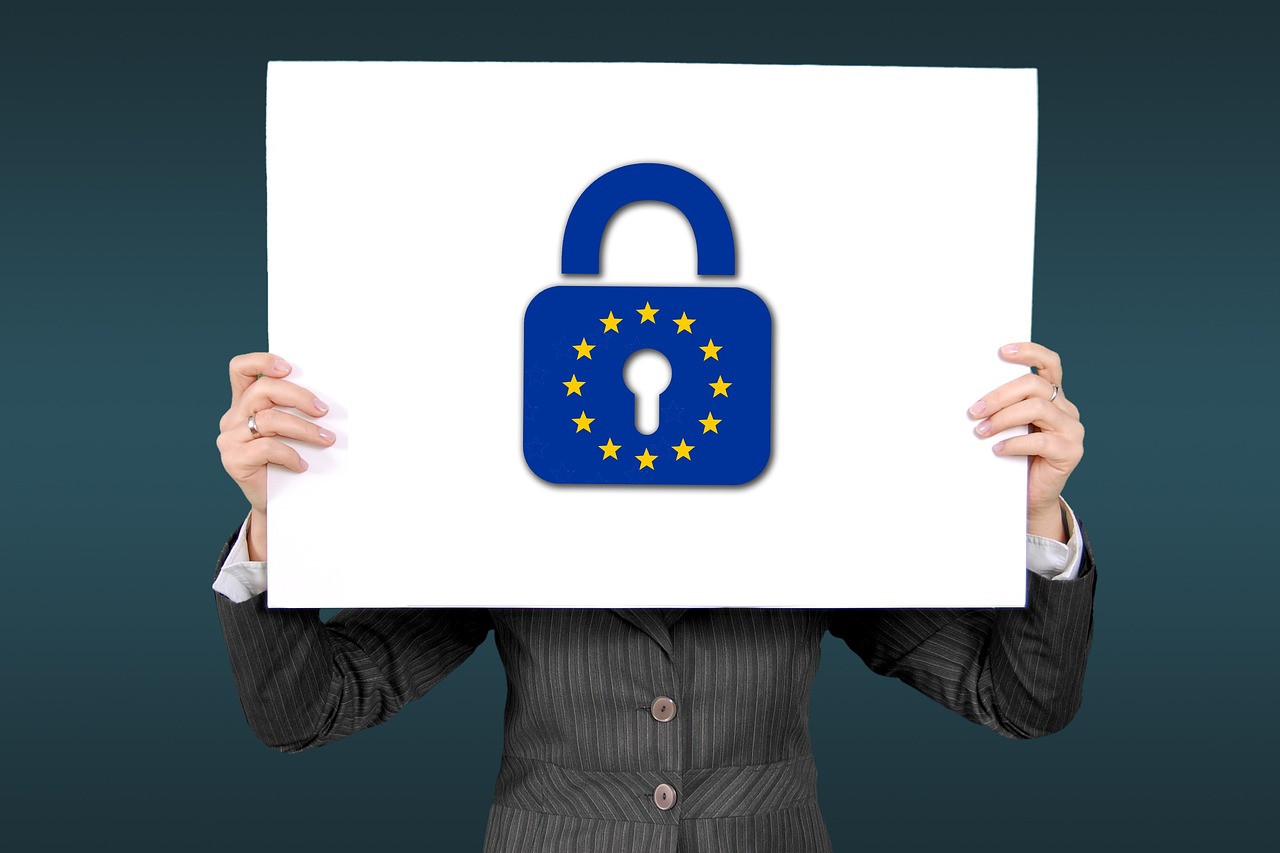

How GDPR and Privacy Laws Affect Retargeting Campaigns
The rising importance of data protection has revolutionized digital marketing practices, particularly with regulations like GDPR and various privacy laws. Marketers must navigate stringent guidelines that govern how consumer data is collected, used, and retained. Retargeting campaigns, which aim to re-engage users who previously interacted with a brand, are particularly impacted by these regulations. Without proper consent, employing retargeting strategies can lead to significant compliance issues. Marketers are now compelled to focus on transparency and trust. They must clearly communicate the purpose of data collection and provide significant value to consumers in exchange for their information. Retargeting efforts must ensure that data is sourced only from users who have given explicit permission. This limitation not only alters the way campaigns are structured but also challenges marketers to enhance the user experience thoughtfully. Brands that can successfully convey their commitment to privacy and data security are likely to foster more meaningful relationships with their customers. If executed properly, retargeting can bolster brand loyalty and customer satisfaction, ultimately leading to stronger business growth in compliance with current laws.
One significant effect of GDPR on retargeting campaigns is the requirement for explicit consent from users before data is collected. This means that brands must provide clear and concise opt-in options, rather than implied consent. A well-structured retargeting campaign now involves a careful dialog with users about data usage and benefits. Many brands are opting for transparent methods to engage users, such as providing value-driven incentives for signing up. For instance, consumers may receive exclusive discounts or content in exchange for their consent. These practices can help businesses build valuable relationships that prioritize user preferences. Moreover, using first-party data, which is directly collected from users, is becoming a preferred approach. However, businesses need to ensure that this data is consistently updated and managed. As data privacy concerns continue to evolve, staying informed about regulatory changes is crucial. Brands that adapt their strategies proactively can navigate potential pitfalls effectively and turn privacy compliance into a competitive advantage. Embracing these changes is no longer about compliance; it’s about fostering an ethical marketing approach that resonates with customers.
Building Trust Through Transparency
Transparency becomes the foundation of successful retargeting campaigns in the wake of privacy regulations. Marketers need to inform consumers how their data is being utilized without overwhelming them with legal jargon. This communication should be straightforward and accessible to ensure consumers fully understand their rights. Additionally, brands must allow users to easily modify or withdraw consent when desired. The ability to change preferences can enhance trust significantly. Consequently, the customer is more likely to engage with brands that respect their privacy. To achieve this, companies can utilize clear privacy notices that explain their data practices in a user-friendly manner. Retargeting ads can be designed to align with the interests expressed by users within the restrictive framework of privacy laws. By delivering relevant and personalized content, brands not only respect user preferences but also improve marketing effectiveness. Using personalization wisely helps create a balance between compliance and engaging marketing strategies. Companies that lead with privacy will not only comply with regulations but will also cultivate brand loyalty among conscientious consumers.
Another critical element in retargeting strategies is the need for enhancing data security. GDPR mandates that businesses protect user data against breaches and unauthorized access. Therefore, retargeting campaigns must operate within a secure framework. This is achieved through robust data protection measures including encryption and regular audits. Ensuring confidentiality and integrity of user data is a legal requirement and essential for customer trust. Businesses failing to adopt stringent security standards face not only legal repercussions but also reputational damage. Users are increasingly concerned about their online security, dictating that brands act responsibly. Regaining a customer’s trust after a data breach becomes substantially more difficult. In this landscape, companies need to conduct routine assessments of their systems and practices, proactively addressing vulnerabilities that could threaten data safety. Most importantly, embracing a culture of data protection throughout an organization strengthens overall compliance with GDPR and similar regulations. A trustworthy reputation bolstered by secure data practices attracts customers who prioritize privacy and security, ultimately enhancing brand value.
The Role of User Experience
User experience is an essential part of retargeting campaigns influenced by GDPR. With privacy laws now a focal point in data-driven marketing, providing a seamless and respectful user experience can help retain potential customers. Companies should streamline interactions with clear calls to action and simplify permission requests, enhancing user engagement. A good user experience reduces drop-off rates and improves interactions across digital platforms. Outdated or invasive retargeting strategies not only violate regulations but also frustrate users, negatively impacting brands. This shift focuses on fostering positive experiences instead, involving personalization attuned to consumers’ individual preferences and needs. By utilizing insights derived from consented data, companies can initiate interactions that feel organic rather than intrusive. Continuous optimization of the retargeting process based on user feedback is crucial. Establishing a feedback loop allows brands to refine their strategies and adapt to changing consumer expectations. Thus, businesses should aim to create tailored retargeting ads that make users feel valued rather than targeted, enhancing customer satisfaction and brand loyalty over time.
Innovative solutions for retargeting campaigns are emerging in response to privacy laws. Brands are exploring new technologies and methodologies to reach consumers while remaining within compliance. Combining contextual advertising with privacy-conscious tracking is one promising approach. Contextual advertising evaluates the environment a user interacts with, rather than relying solely on their personal data. This method respects user privacy while still delivering relevant advertisements based on content consumption. Also, delayed remarketing is gaining traction, allowing users to reengage with brands later. While conversations are still dominated by questions of privacy, offering value to consumers in transparent ways will define future successes. Programs that reward consumers for their engagement will stand out. Given the impact of GDPR, businesses are recognizing the importance of creative marketing and relevant content to capture consumer attention amidst many changes. Rather than looking solely at data-driven retargeting, understanding customers fundamentally brings transformational insights. With adaptability and willingness to innovate, brands can navigate the challenging landscape of privacy laws while maintaining effective retargeting campaigns.
Conclusion
In summary, GDPR and privacy laws have fundamentally reshaped retargeting campaigns. Compliance now drives marketing strategies, encouraging transparency, trust, security, and user-centered experiences. The transition doesn’t erase the effectiveness of retargeting; instead, it provides an opportunity to align marketing objectives with ethical practices. Companies embracing these recent changes quickly adapt to evolving standards of user privacy and strengthen the relationship with consumers. Building trust through a transparent opt-in process and effective communication fosters a loyal customer base responsive to personalized marketing efforts. By taking a proactive approach to data protection and user experience, brands can assert their commitment to safeguarding consumer information. As new technologies emerge, businesses must remain vigilant in transforming operational practices to uphold privacy standards. Ultimately, success in retargeting within the confines of GDPR is possible by implementing consistent ethical strategies. This new landscape requires businesses to evolve and adapt, ensuring they not only adhere to regulations but also enhance the overall customer journey. Integrating these principles will allow brands to retain a competitive edge while honoring privacy and consumer preferences.